Climbing out of the Abyss: On Tearing Objects, Injecting Values, and Automating Work
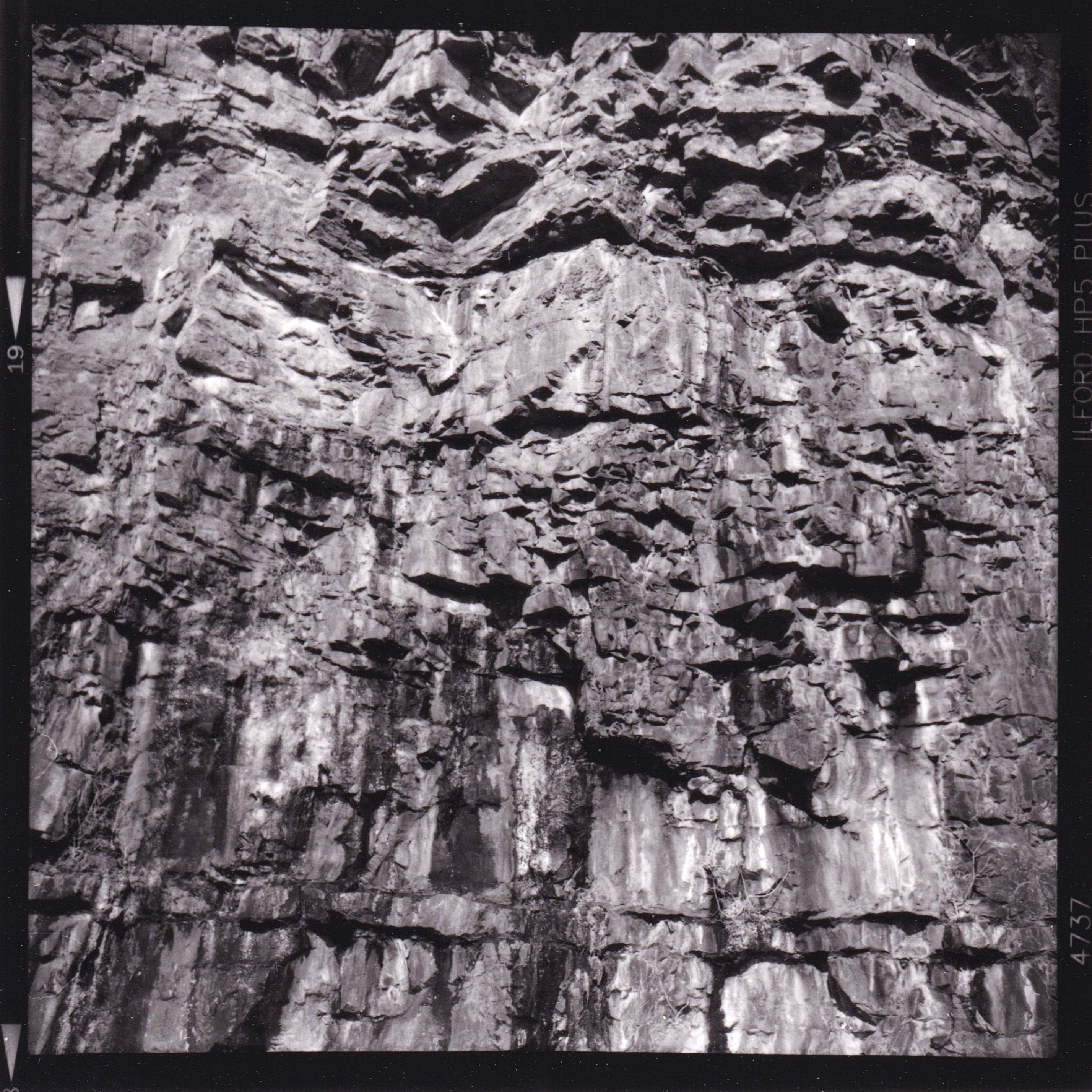
This essay is an expanded discussion following Vilém Flusser’s unpublished essay On Being Subject to Objects in which he argued that the human is split between what is and what should be, living in the abyss between phenomena and values. By turning branches into sticks and rare minerals into data centers, the human makes a vain attempt to produce things to climb out of its abyss while increasingly becoming subject to its own cultural objects. Following a media materialist approach, the essay highlights the material dependencies of seemingly immaterial systems like artificial intelligence. The more elaborate our cultural objects become, the harder it is to trace them back to the geological conditions that made them possible, while their reliance on what the Earth can provide only deepens. Flusser identified two phases of cultural production: the first, choosing values and imagining what phenomena should become, and the second, the physical work of forcing phenomena into those values, turning them into cultural objects. His optimistic approach to automation suggested that if machines could take over the second phase, humans might finally attend to the first. Today, automation is far from what Flusser believed it would be. Rather than separating value-oriented thinking from mechanical execution, automation has made the second phase less visible but more pervasive, distributed across underpaid labor, energy grids, and extraction sites, deepening our entanglement with natural resources and pushing us further into the abyss we desperately try to climb out of.
Humanization of Objects and Objectification of Humans. Vilém Flusser’s Philosophy of Apparatus and AI
This article examines two major trends in human civilization, namely the humanization of objects and the objectification of humans, through the media philosophy of Vilém Flusser. Here, objects broadly refer to all human-made items, but primarily indicate means of production (tools, machines, apparatus) in a narrower sense. Specifically, this article traces the historical tendency of objects increasingly resembling the human body and brain since the advent of humanity, and conversely, humans progressively resembling the objects they create. Among these tendencies, it particularly analyzes in detail the trends of the artificial intelligence era driven by apparatus: the intelligentization of objects and the robotization of humans. As specific examples for this analysis, the article presents photographic apparatus as the first apparatus, and apparatus-humans (photographers and spectators, all of us). Through this, the article aims to uncover the fundamental meanings of recently emerging academic paradigms such as artificial intelligence and robot, and reveal the deep-seated causes underlying contemporary human robotization.
After Technical Images: Towards a Theory of Post-Technical Imaging
While Flusser’s concept of technical images remains foundational for understanding modern image-making, its limitations become evident when applied to emerging visual culture, which operates beyond immediate human sensory capabilities and constraints of previous apparatus. This essay proposes the concept of corporeal imaging as an alternative system that classifies imaging as relational to the body. This taxonomy enables the incorporation of contemporary imaging practices such as networked astronomical observations and generative AI systems that supersede traditional single-body relations. These developments necessitate new theoretical approaches for understanding image making beyond technical imaging.
Vilém Flusser in Europa
This unpublished lecture reconstructs Vilém Flusser’s European impact from 1972 to 1998. It outlines the dual engagement framed by his distinction between “people of the word” and “people of the image,” beginning with the controversial, later enthusiastic embrace of his media philosophy in the German-speaking world to its scholarly analysis and the institutional establishment of his archive. The text examines Flusser’s publishing presence, his critical engagement with photographic work, and the development of his thinking towards philosophy as fiction.
Hercule Florence: un photographe avant l’appareil
Hercule Florence (1804-1879) was a citizen of the Principality of Monaco and like Niépce and Talbot one of the inventors of photography around 1830. But, since he was living in a small city in the interior of Brazil, his invention of an original technique for developing and fixing images remained unnoticed and has been totally neglected by the European historians of photography. Moreover, he was the inventor of the word “photography” in 1833, six years before the word was used in Europe. There are some similarities between his life and Flusser’s: he arrived in Brazil at the age of 20 and was not recognized by the European centers of culture. The story of Hercule Florence is thus an occasion to reflect on the importance of naming and to demonstrate the power of the apparatus (political and economic) in the development of photography from the very beginning. Florence is probably the only photographer before the apparatus.
Bibliophagus convictus – Relatório 313 sobre o incidente “Caso Alegria” / Bibliophagus convictus – Report 313 on the “Alegria Case” Incident
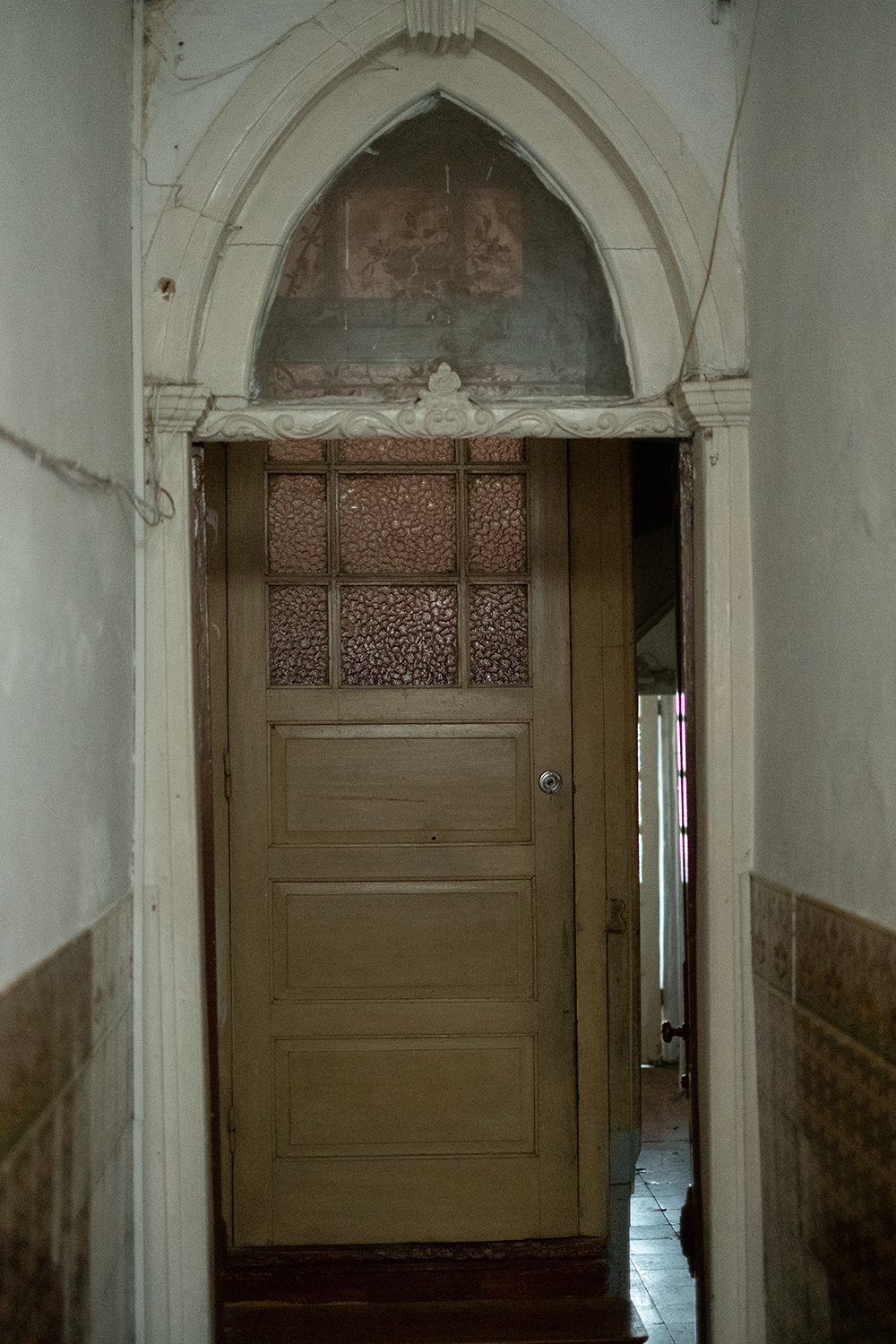
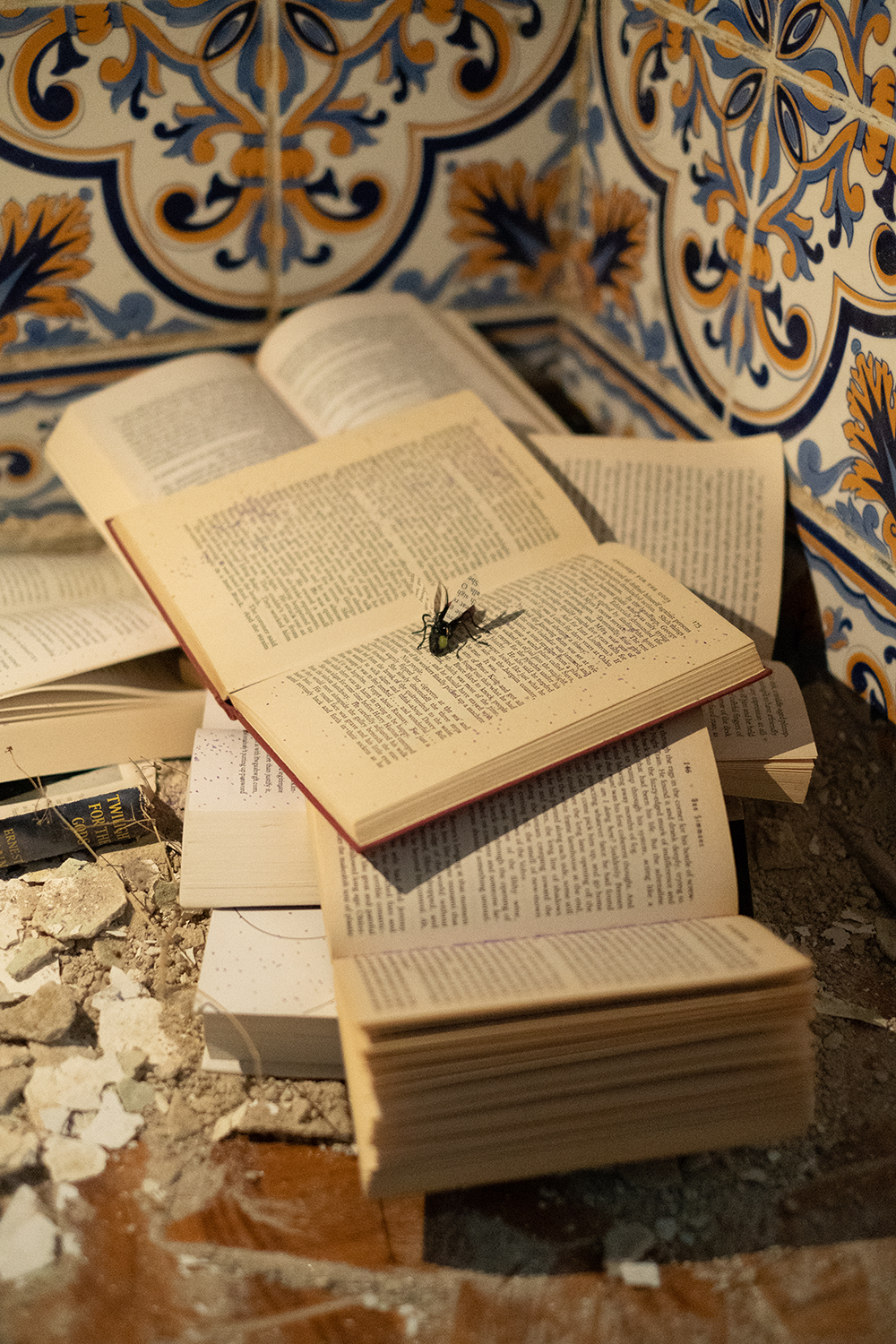
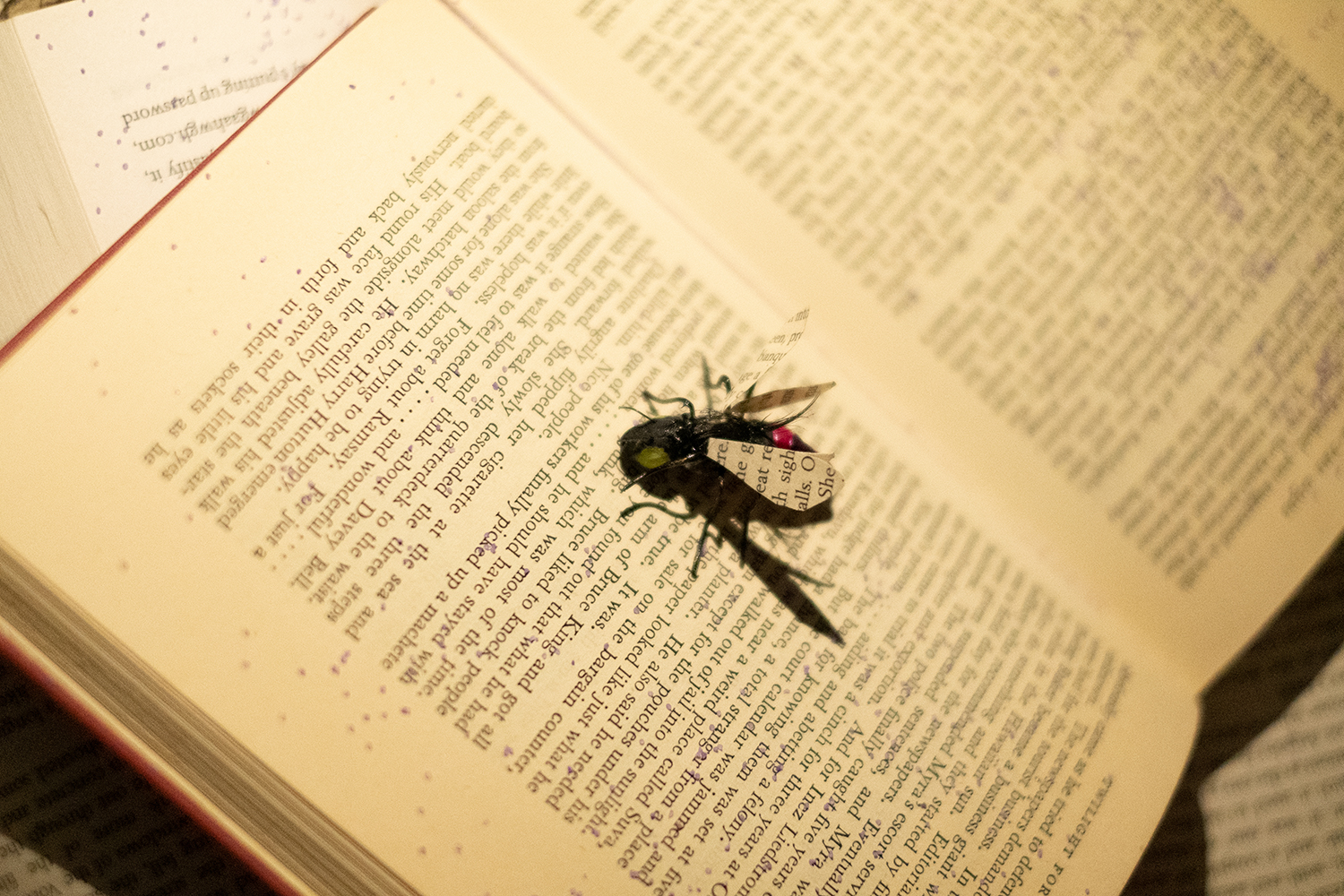
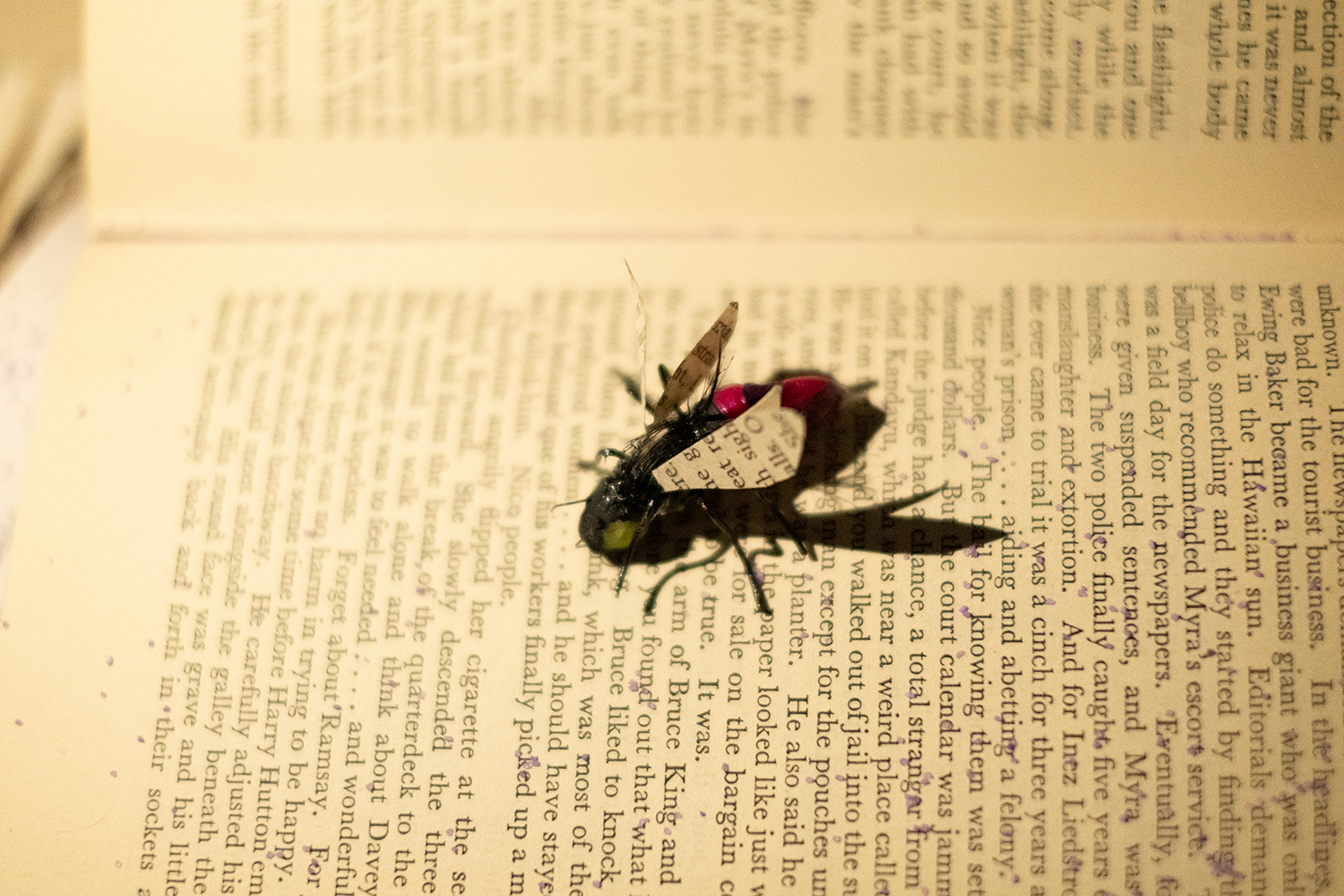
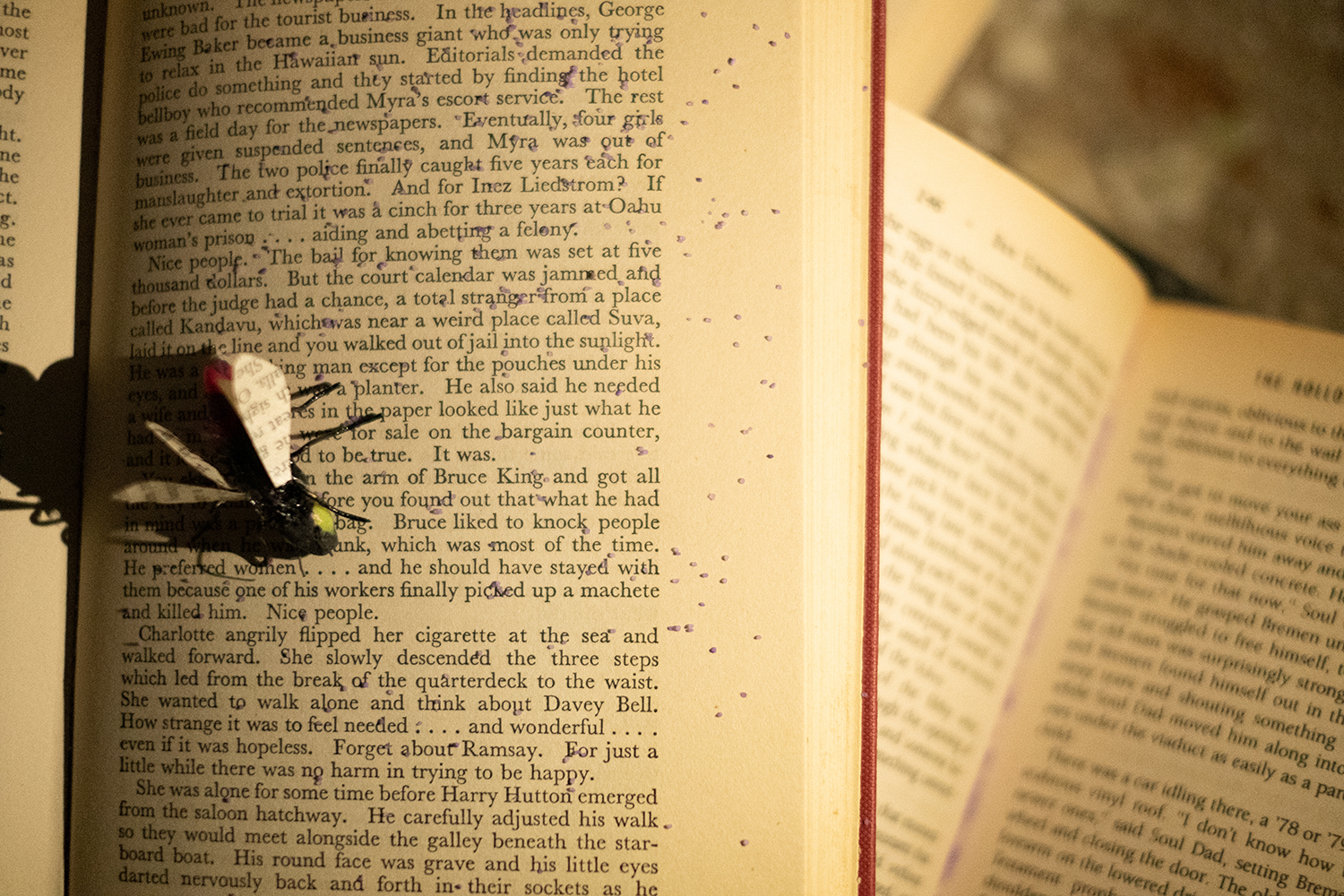
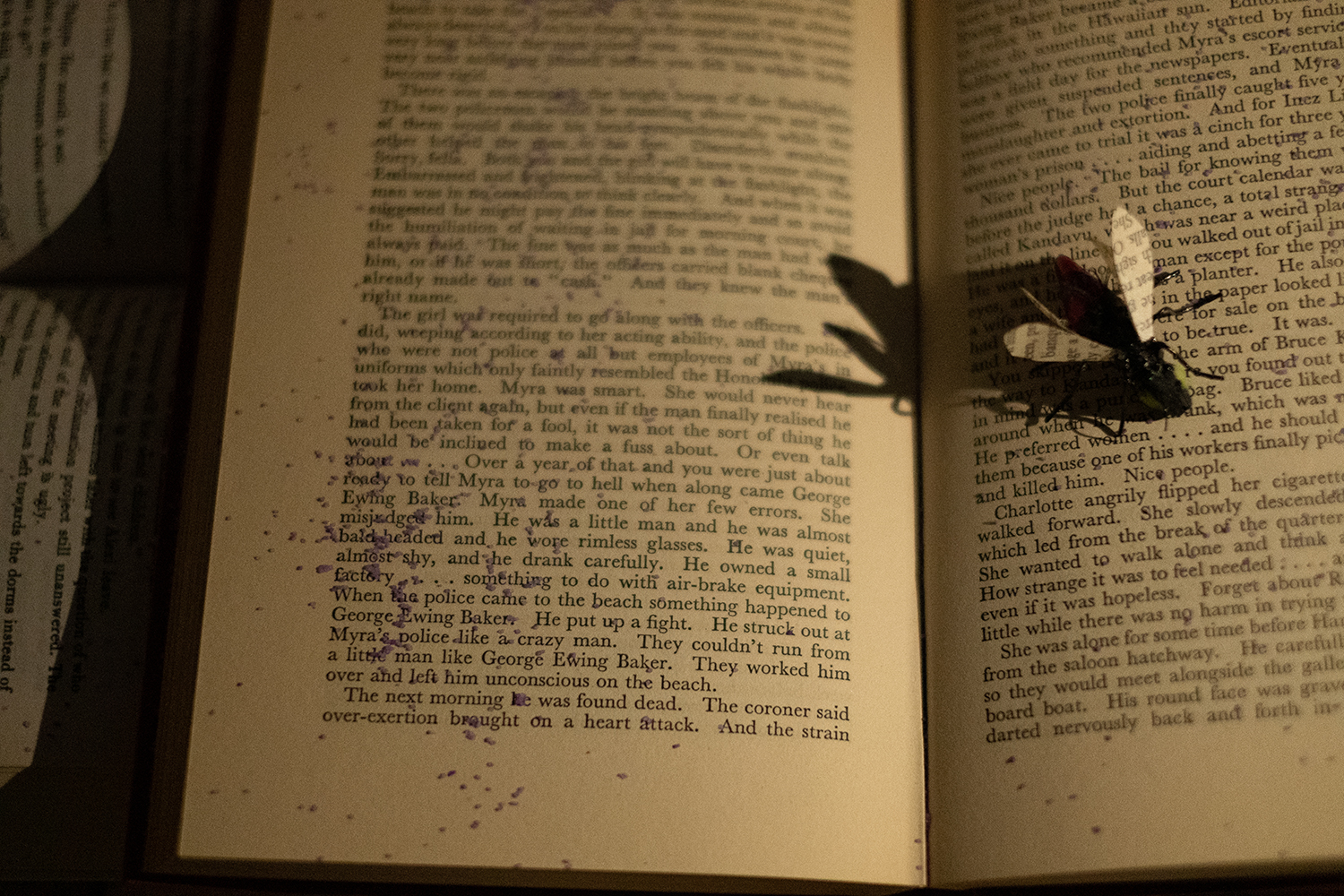
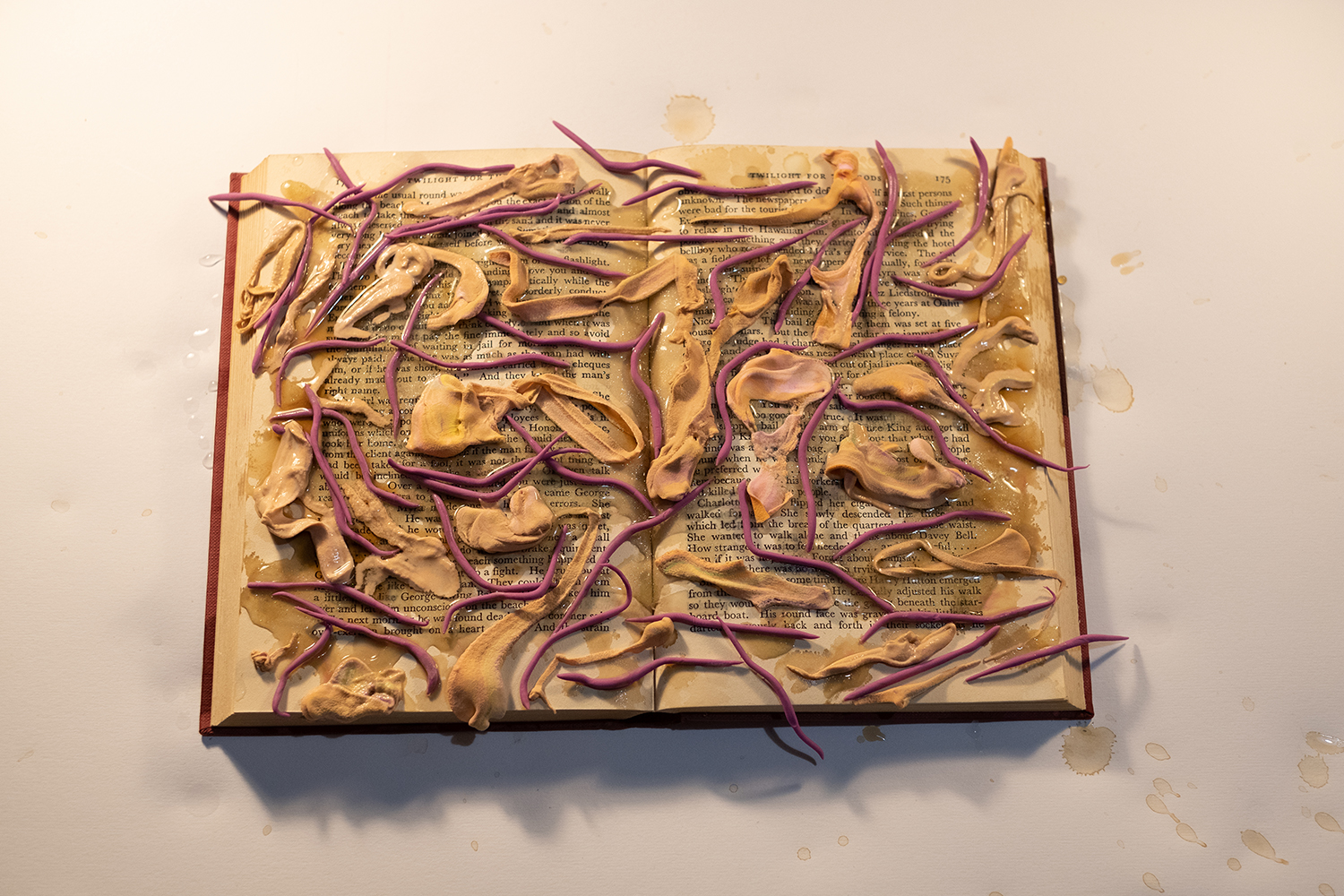
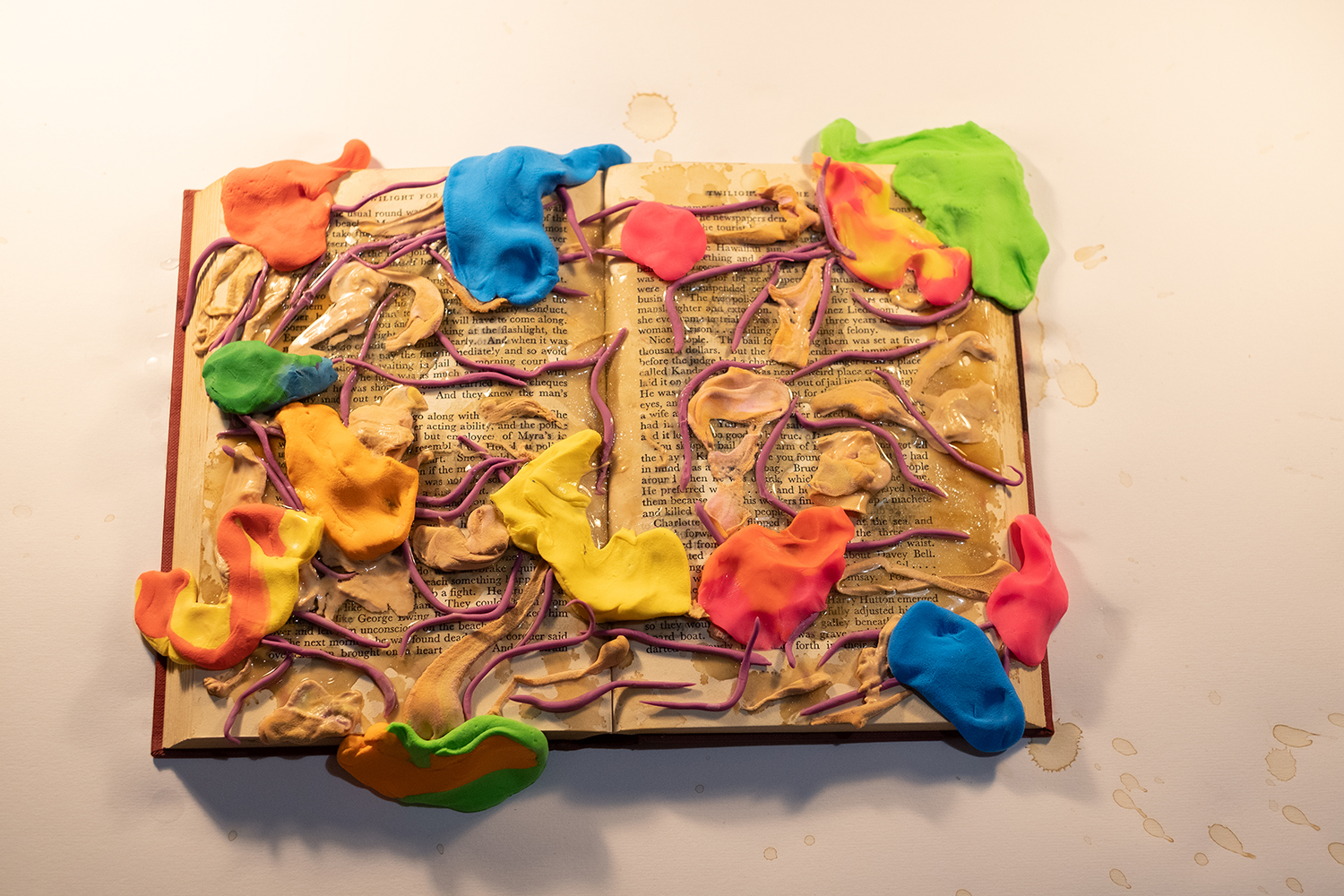
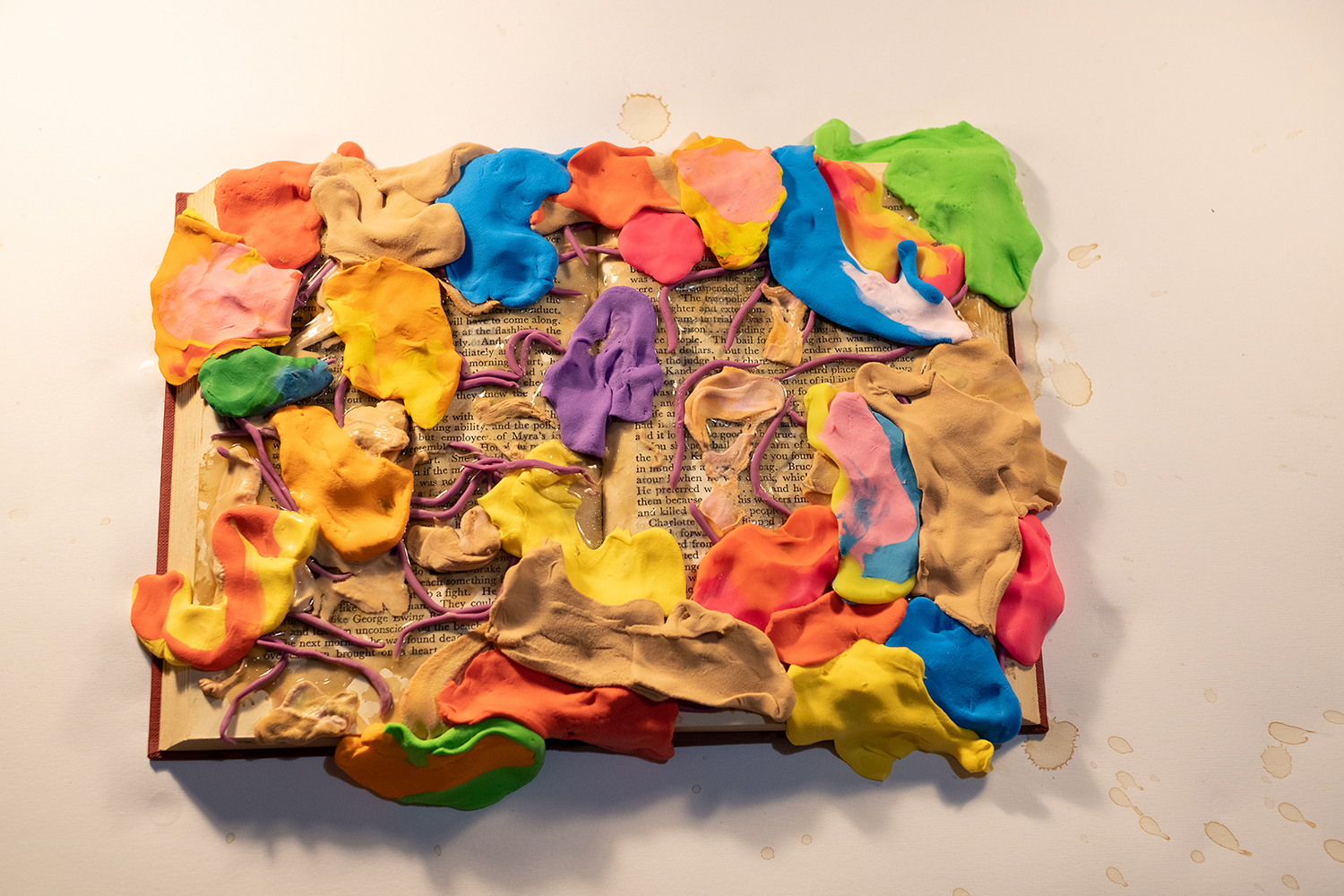
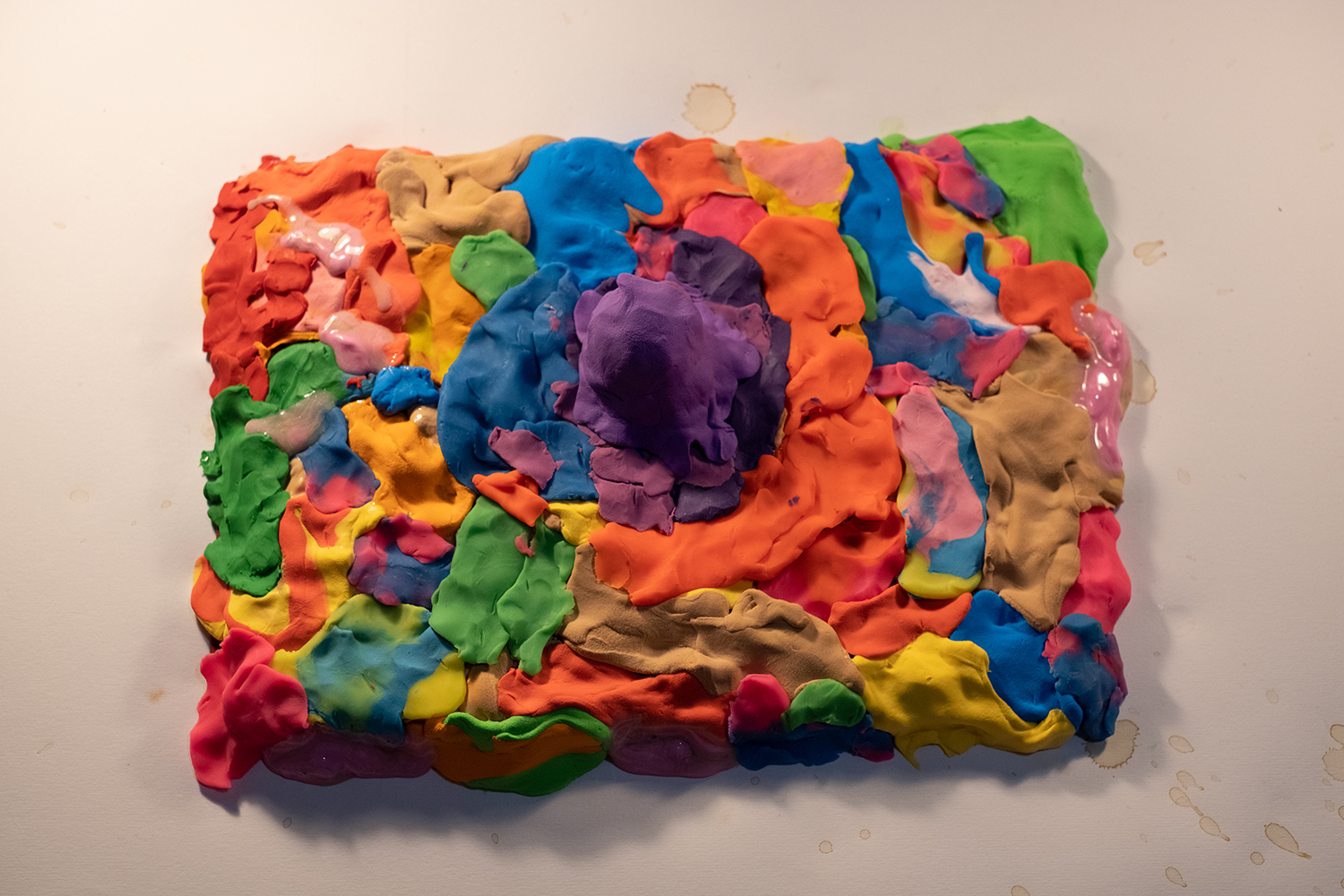
This fictional work composed of both text and images is based on the short text “Thirteenth Scenario: Chemical Industry” from the series of philosophical fictions What If? (Flusser 2022: 47-49). In his text, Vilém Flusser creates a fantastic insect that feeds on texts, the Bibliophagus convictus. Honoring the fictional endeavor of this philosopher, we seek to expand the original scenario, respecting certain data provided by the author and filling in some gaps left open. In the illustrated part, we present a series of photographs made from three-dimensional representations of the insect in its habitat. These illustrate its reproductive cycle, with the different stages of development of the organism. The literary component aims to reproduce a fictitious official and institutional communication between intelligence services in an autocratic, futuristic society with fascist characteristics.




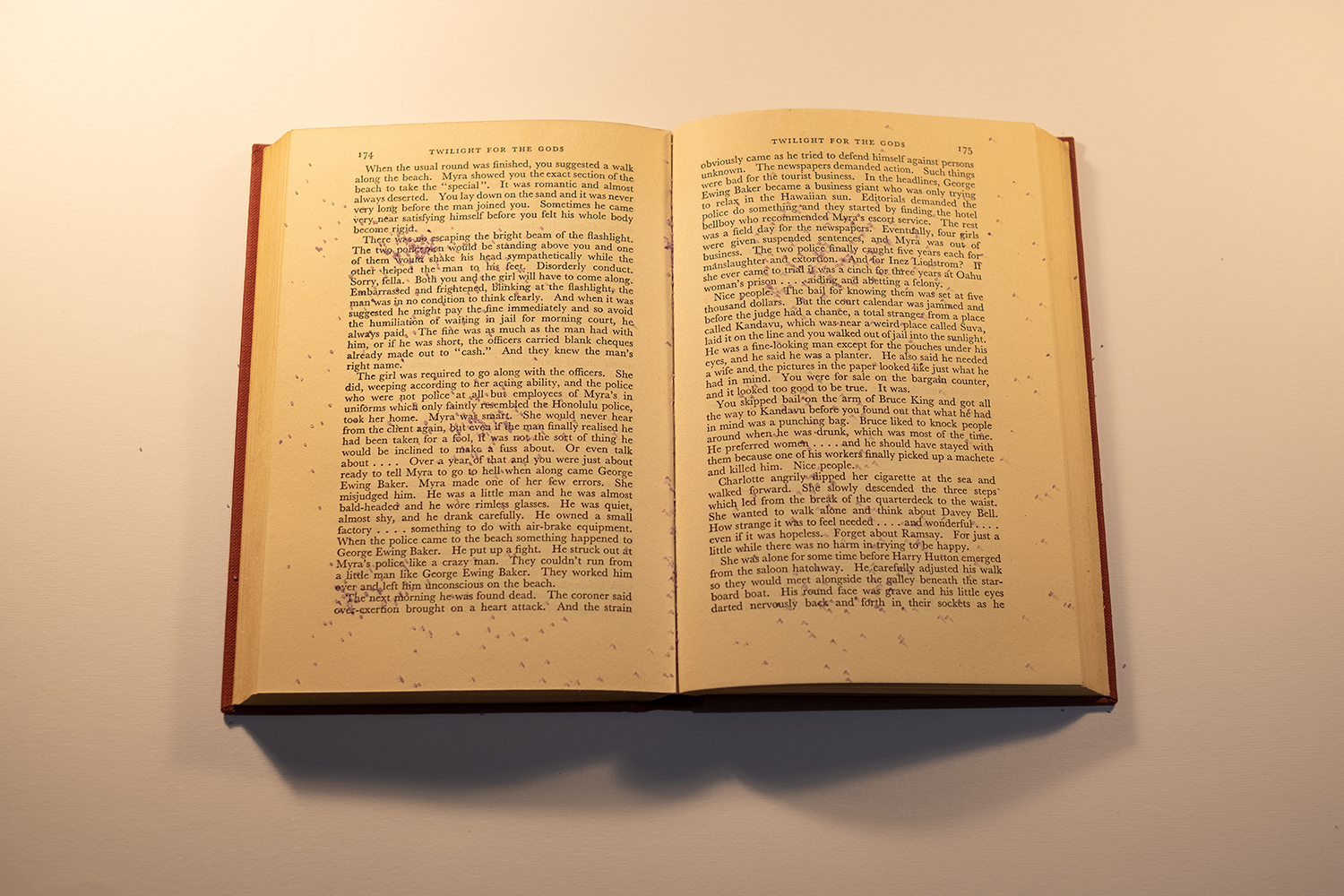
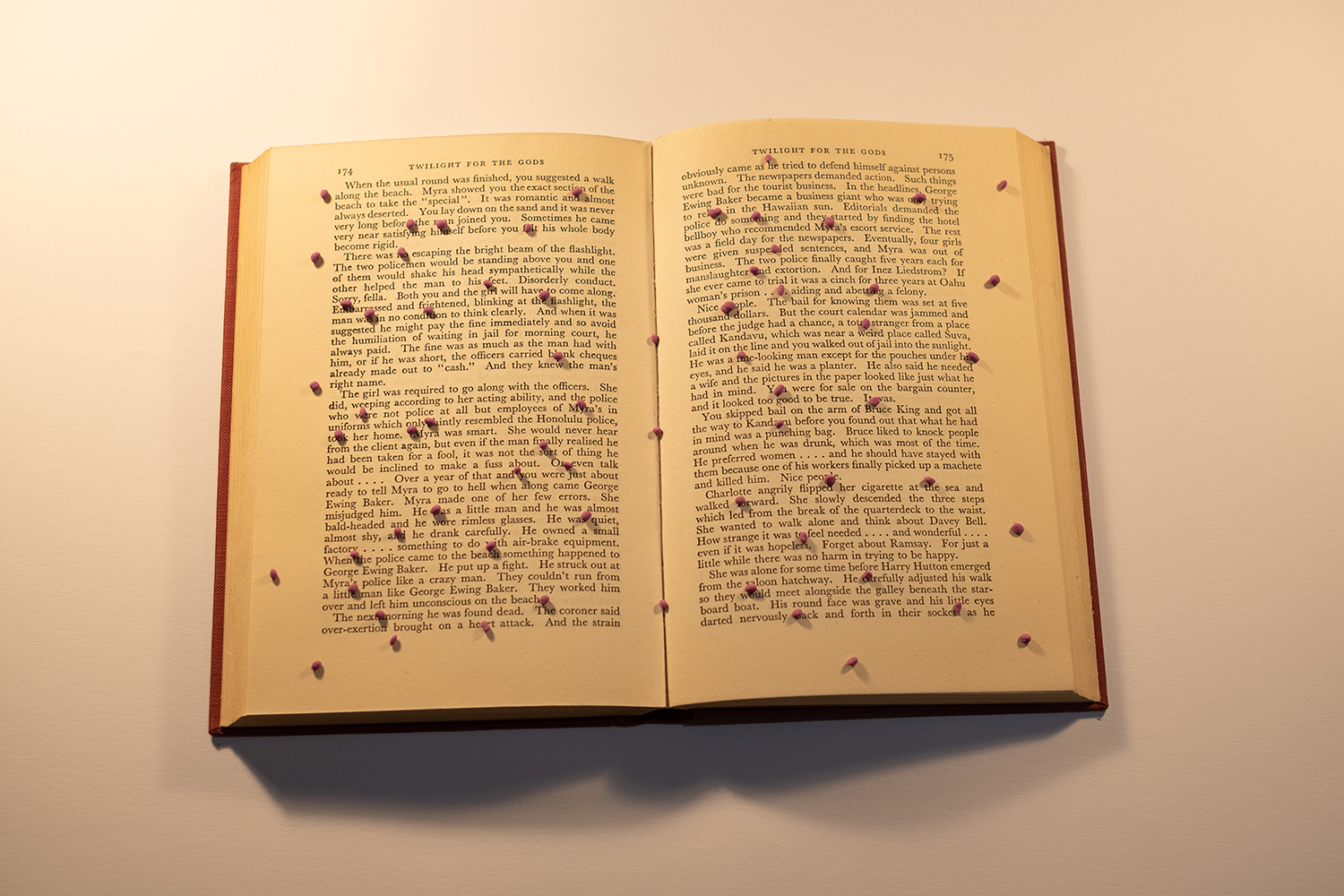
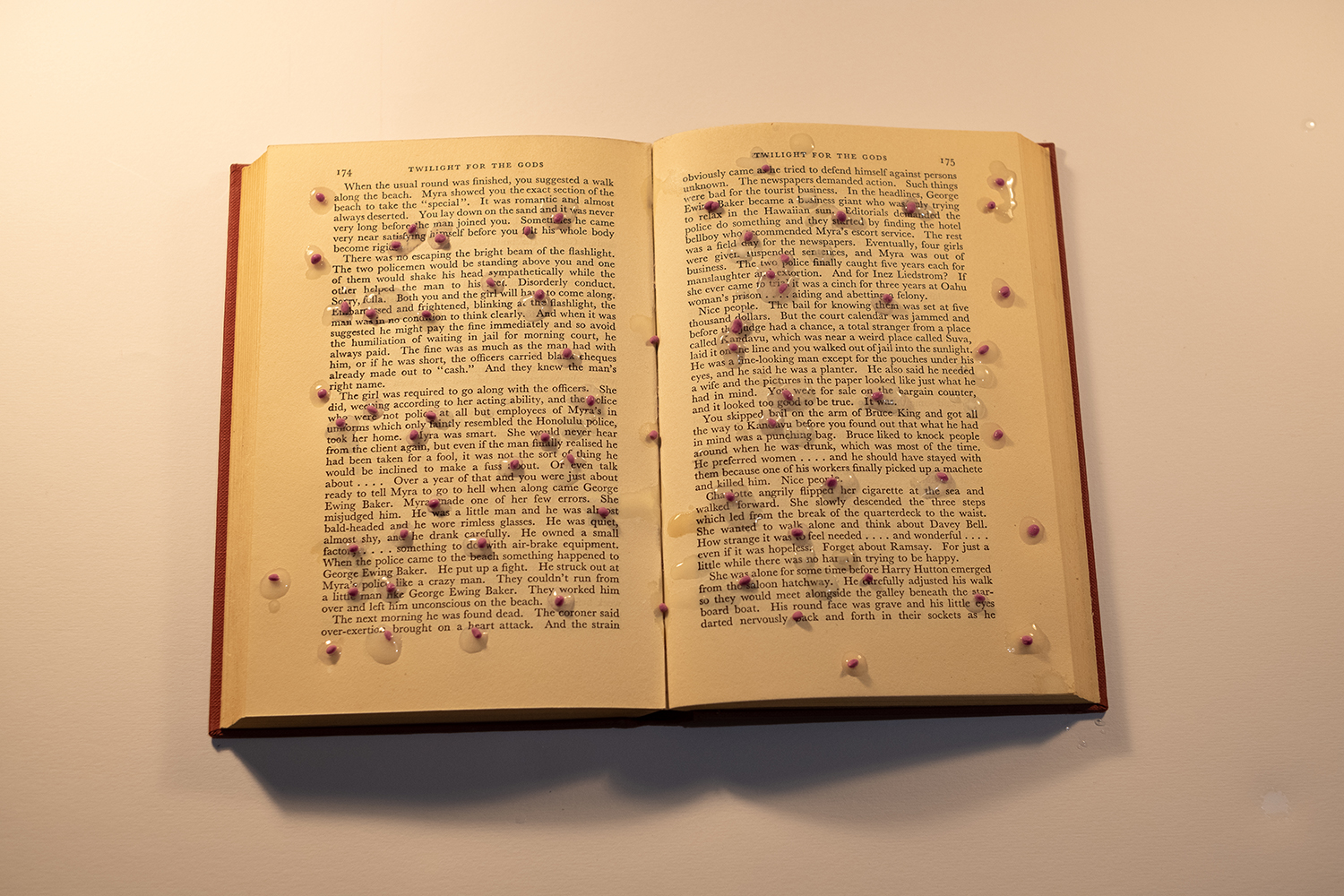
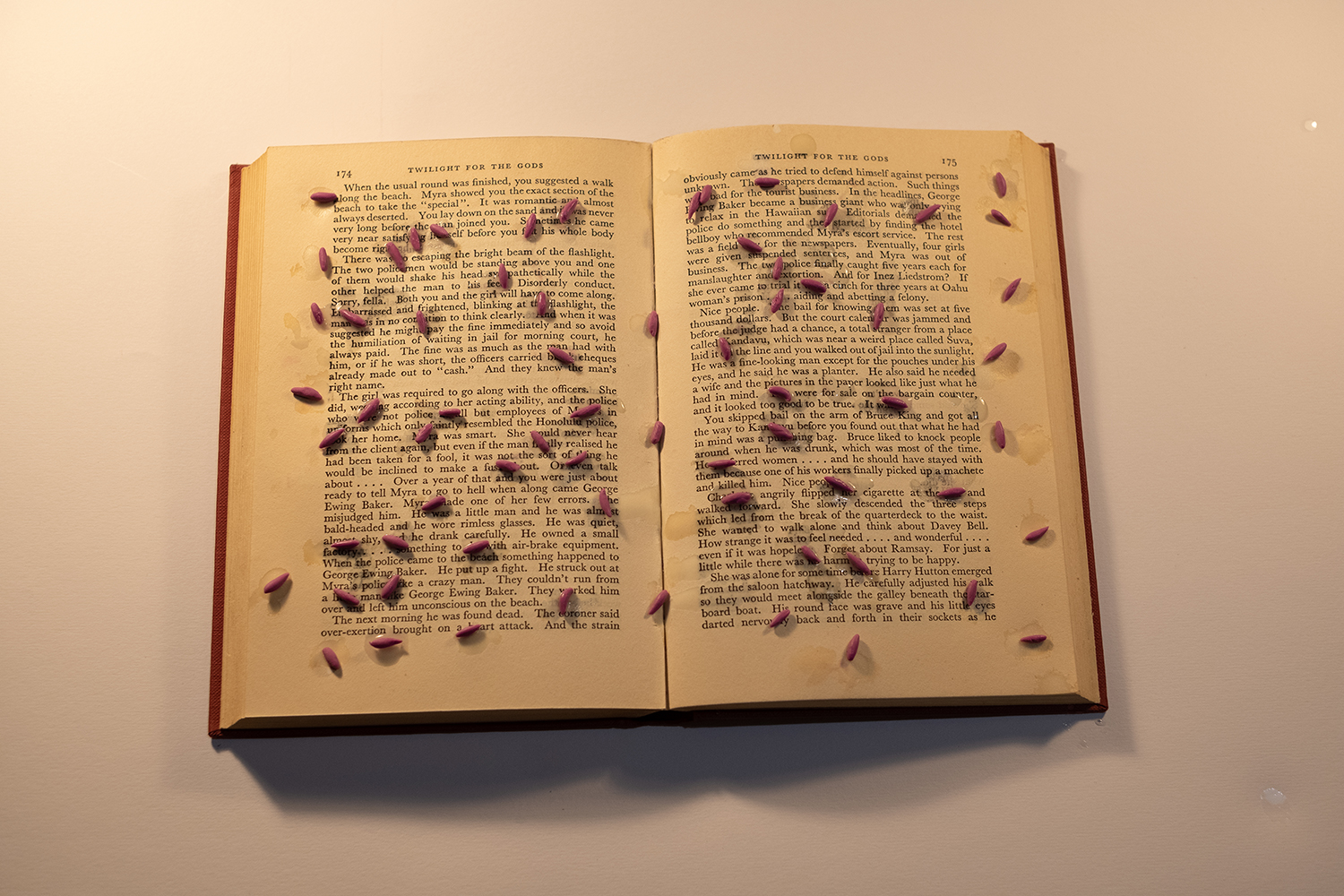
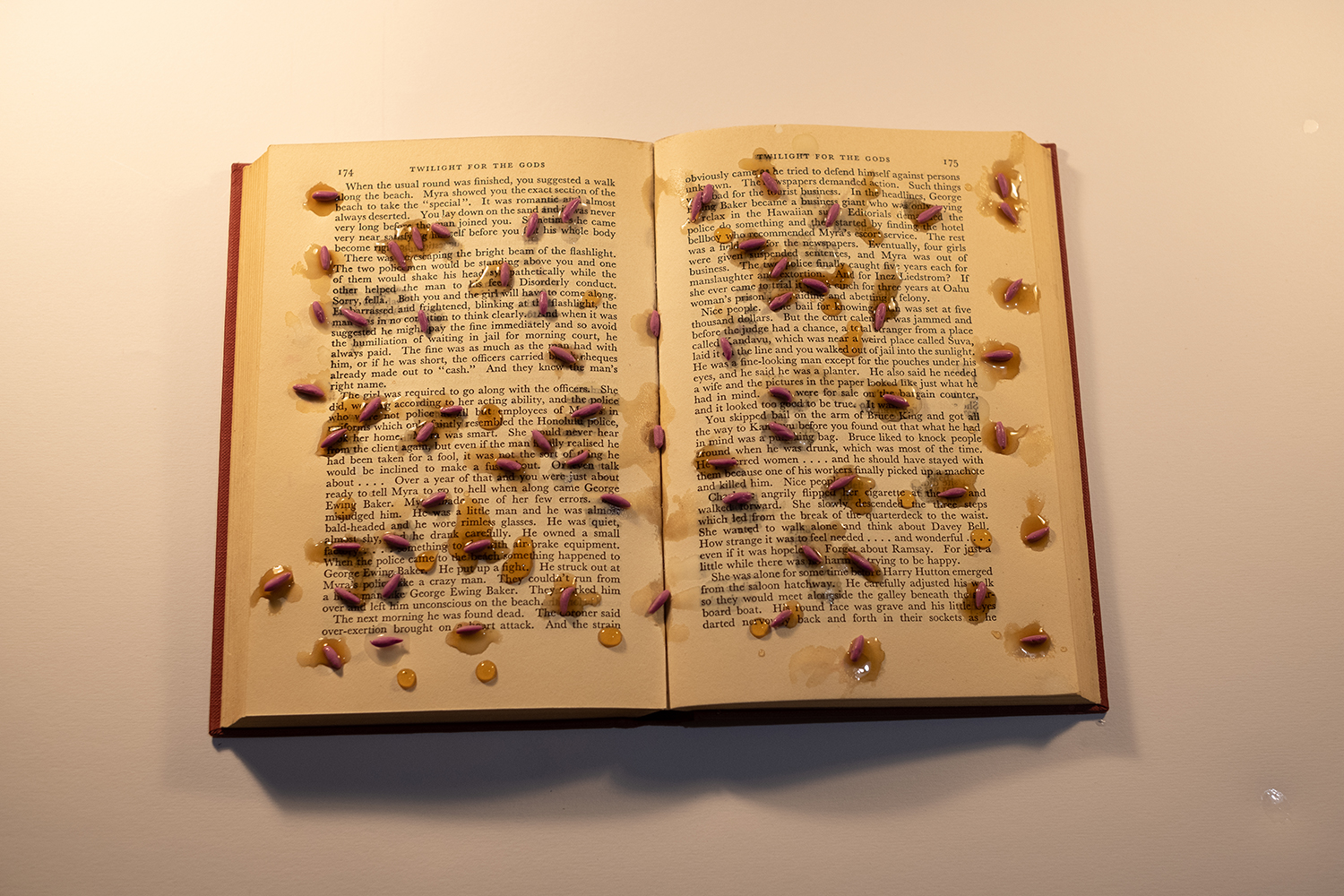
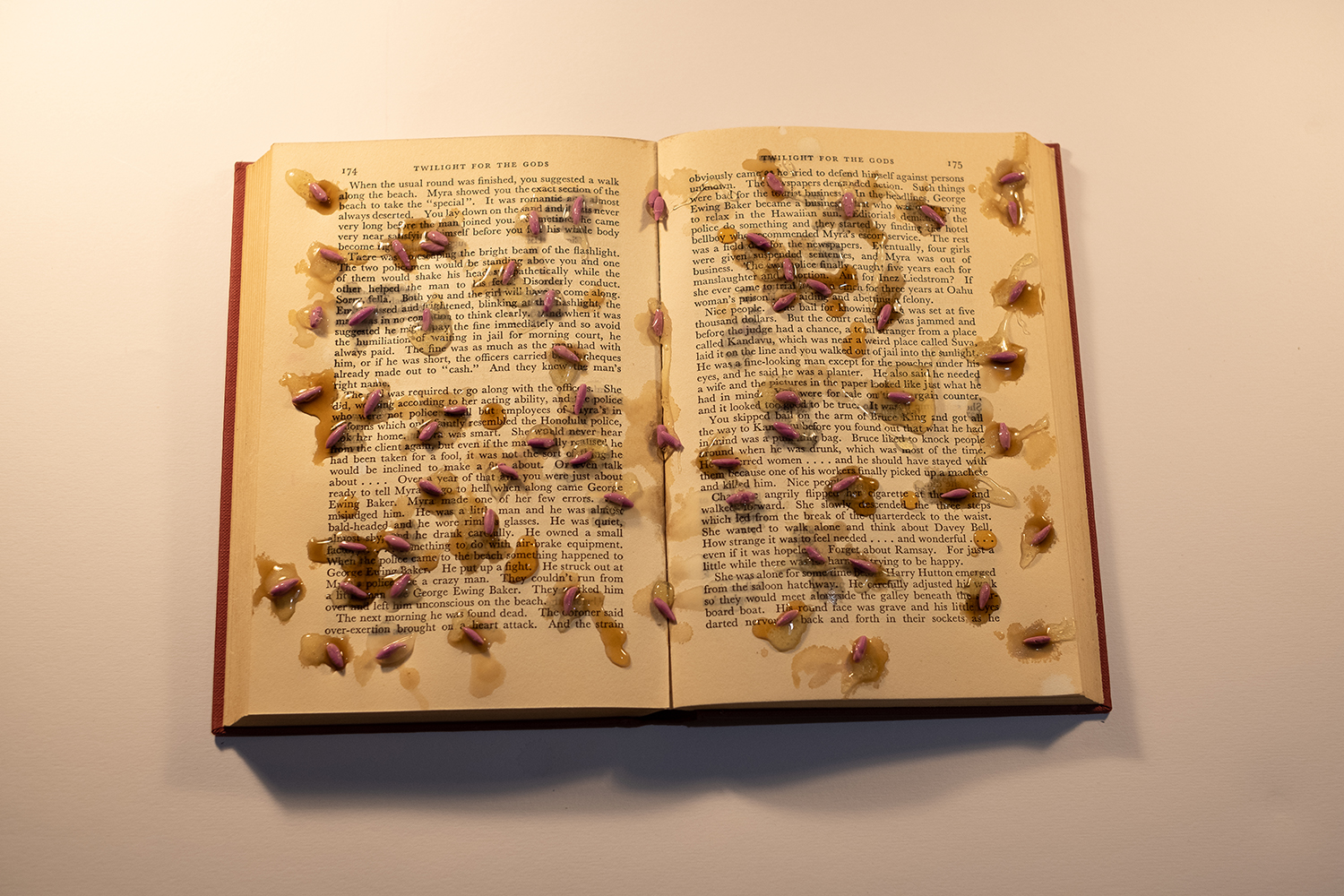
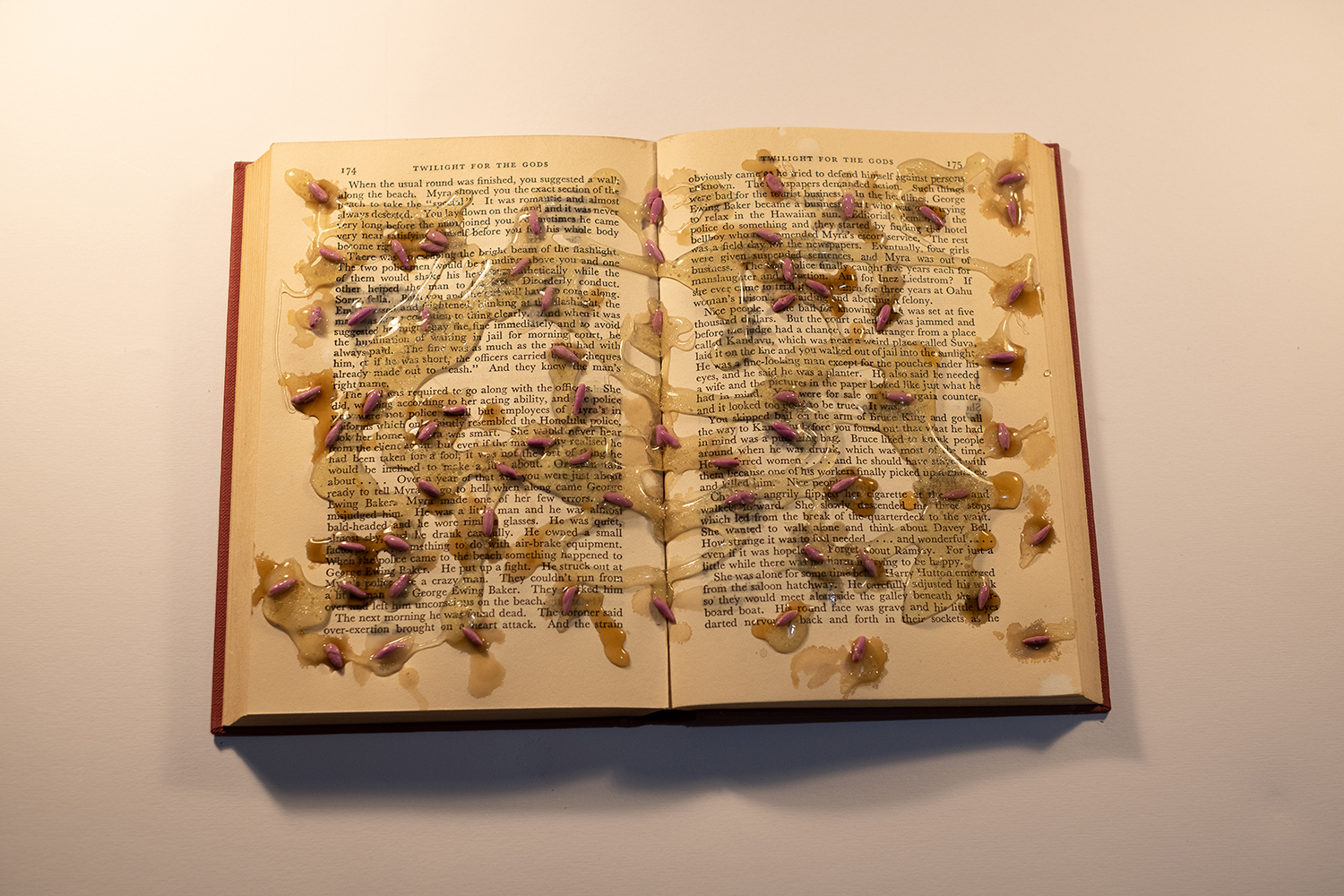
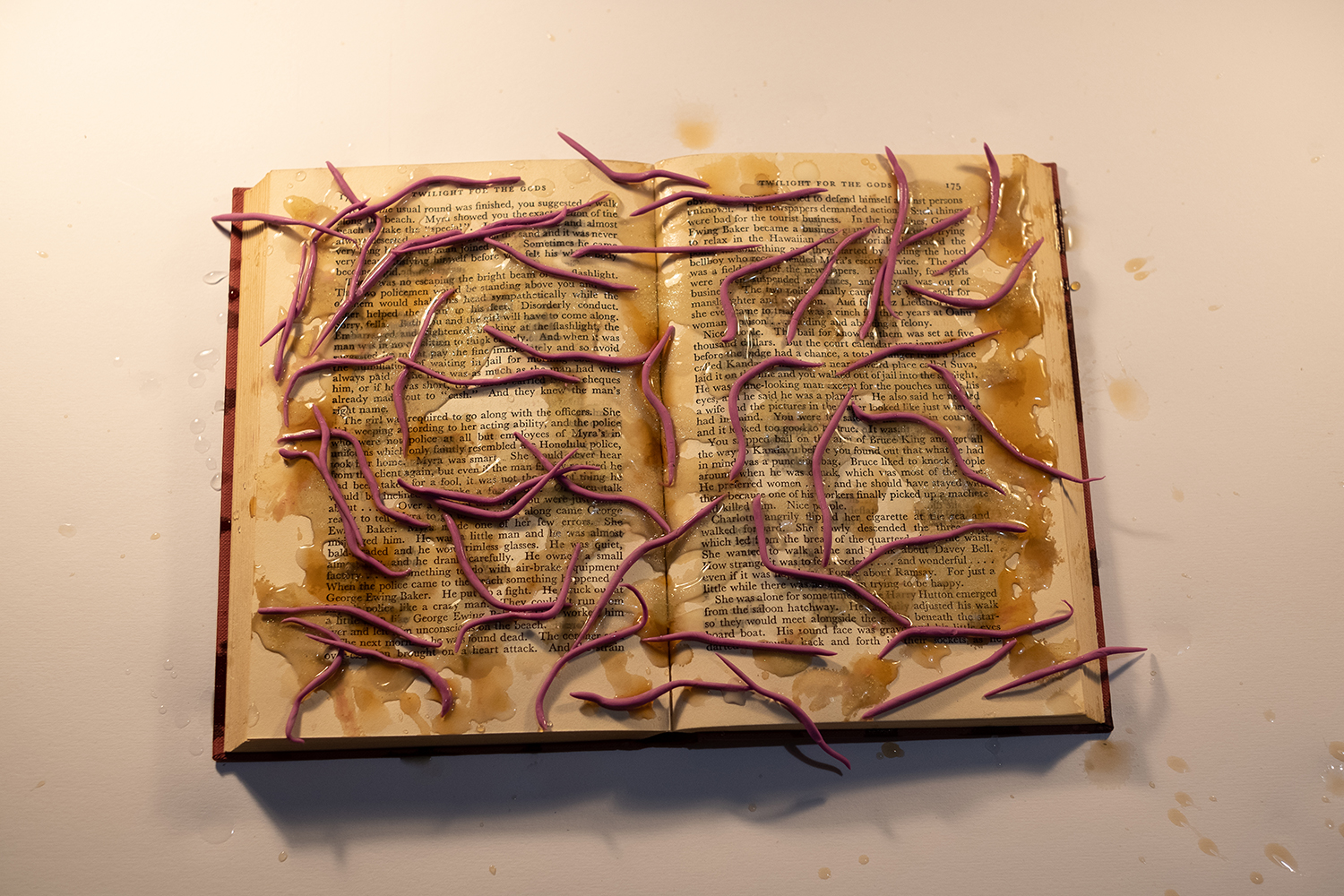

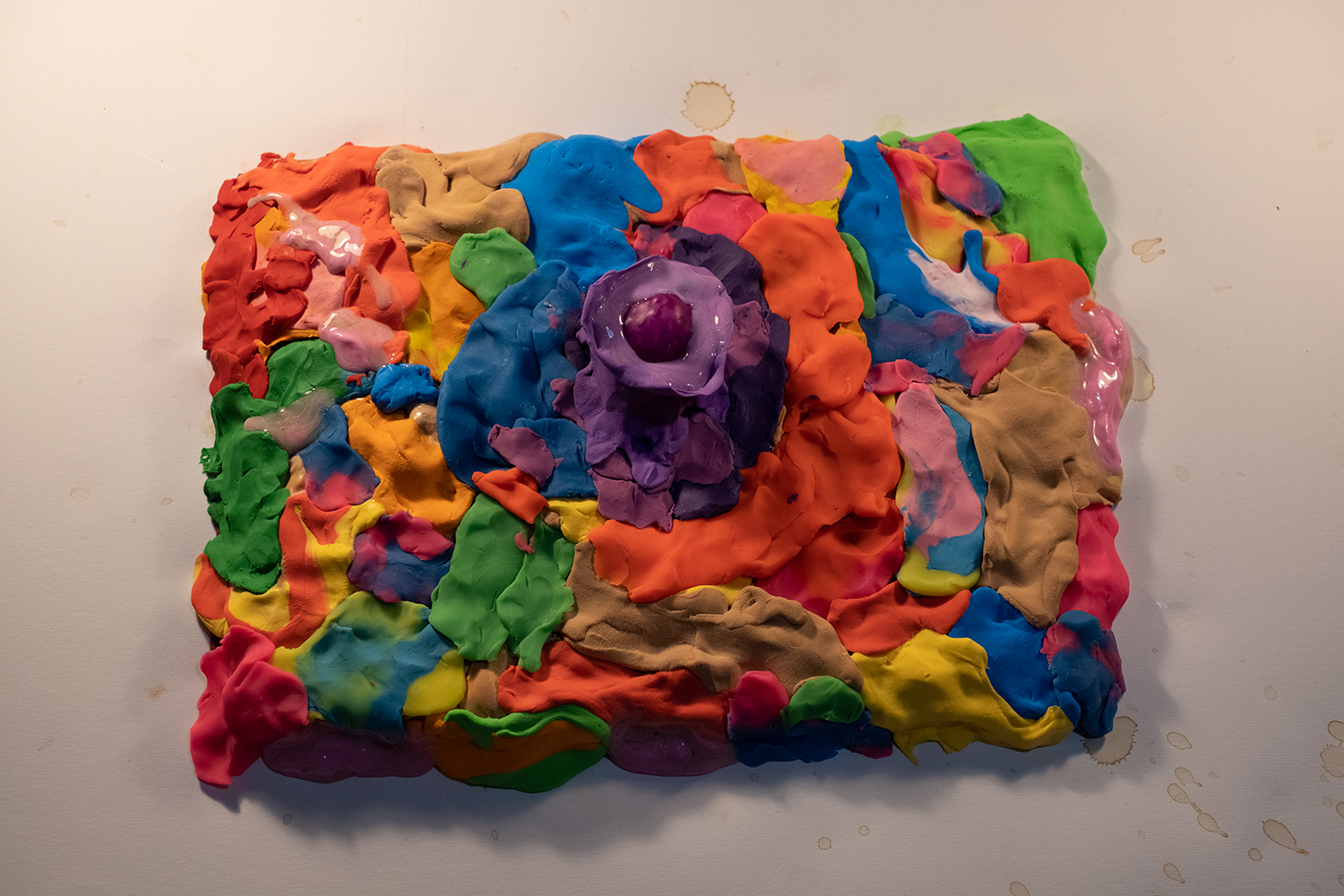
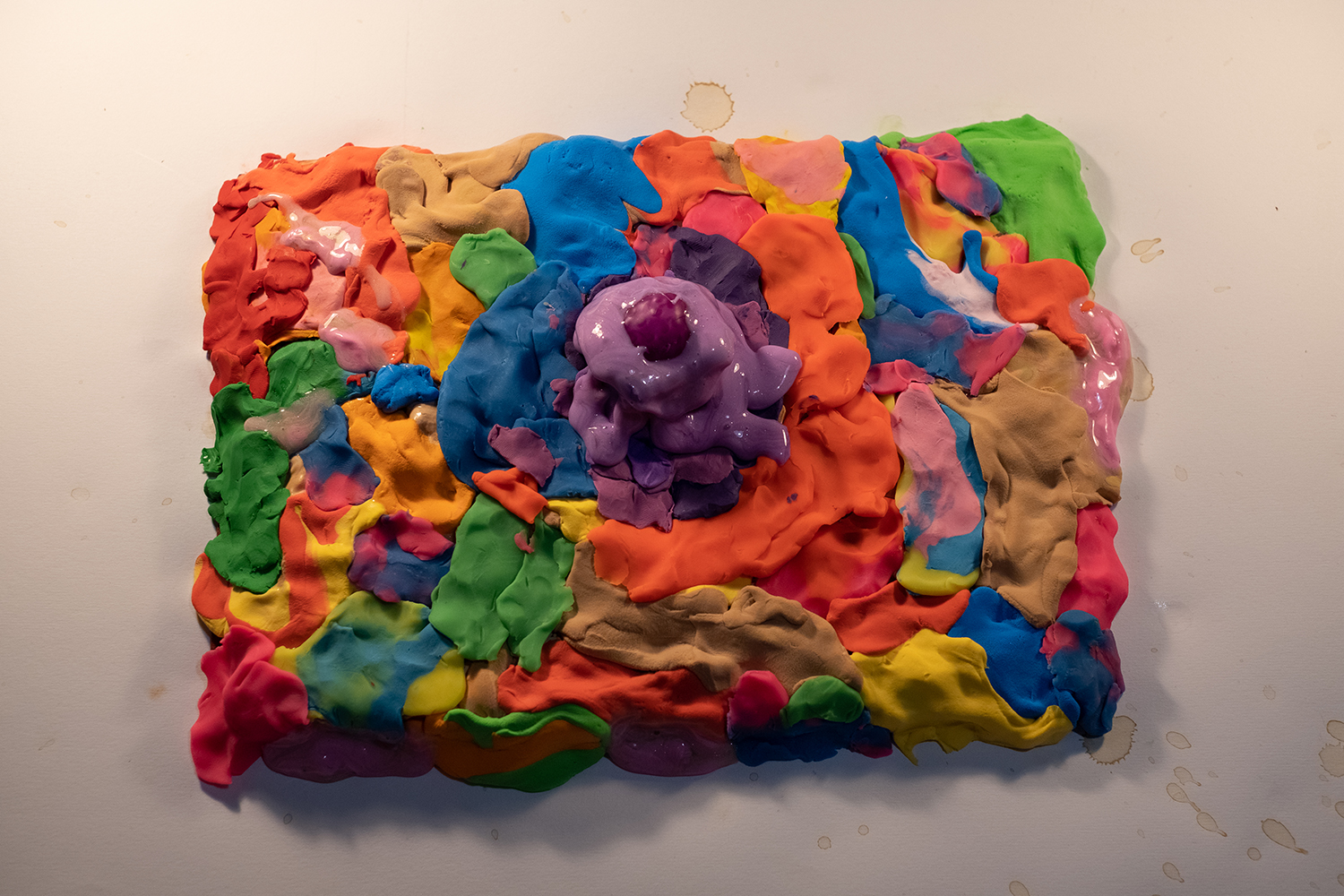

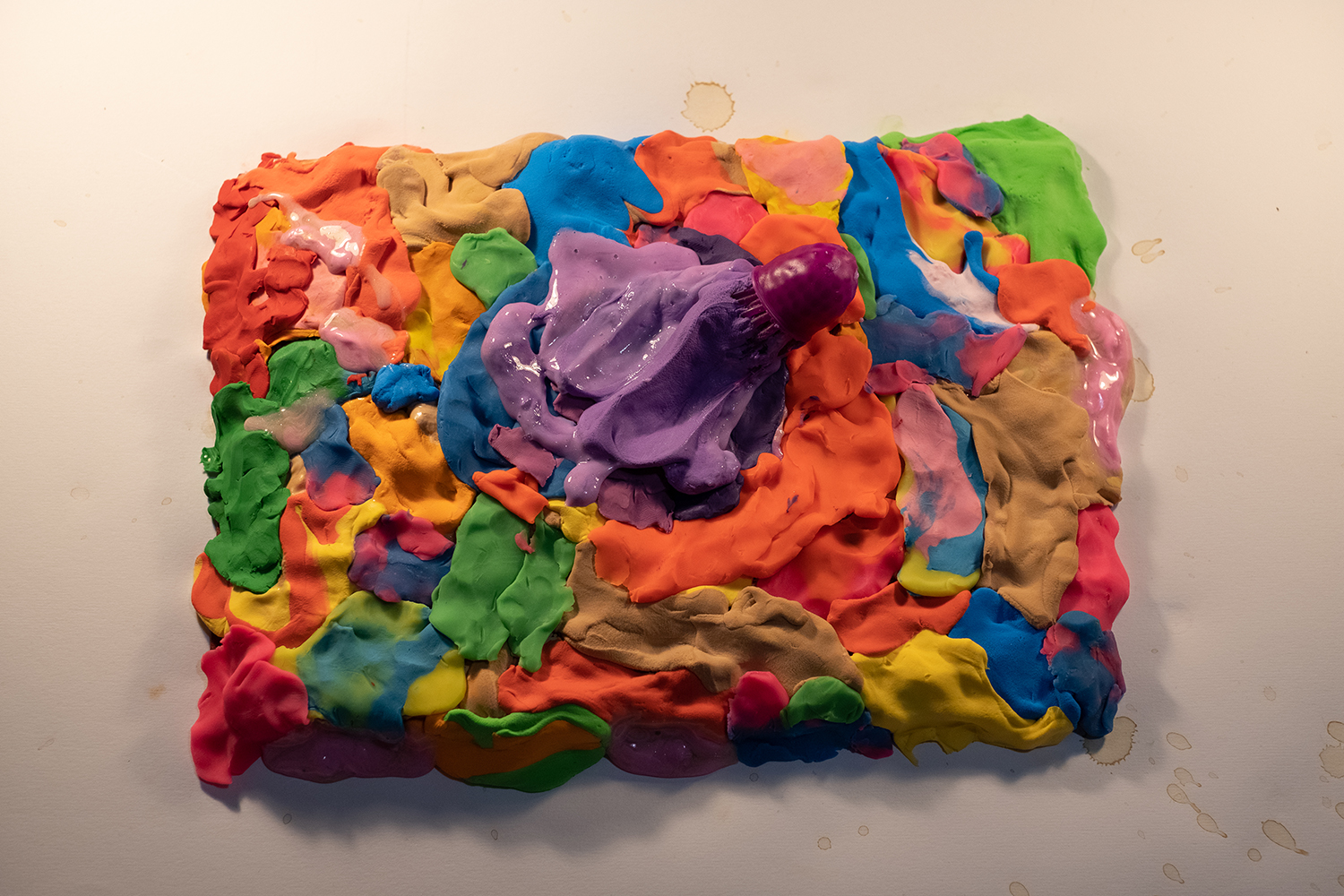
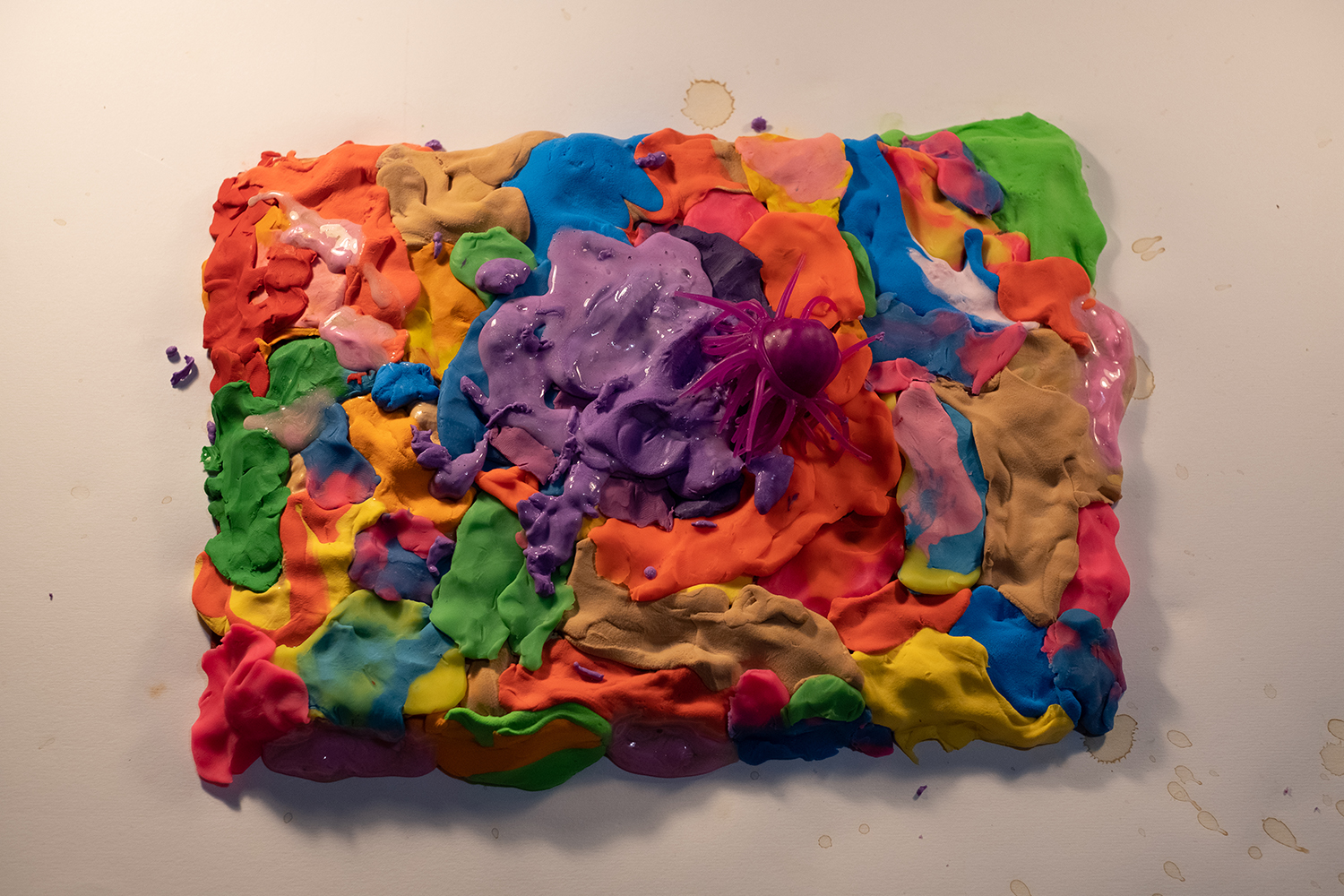
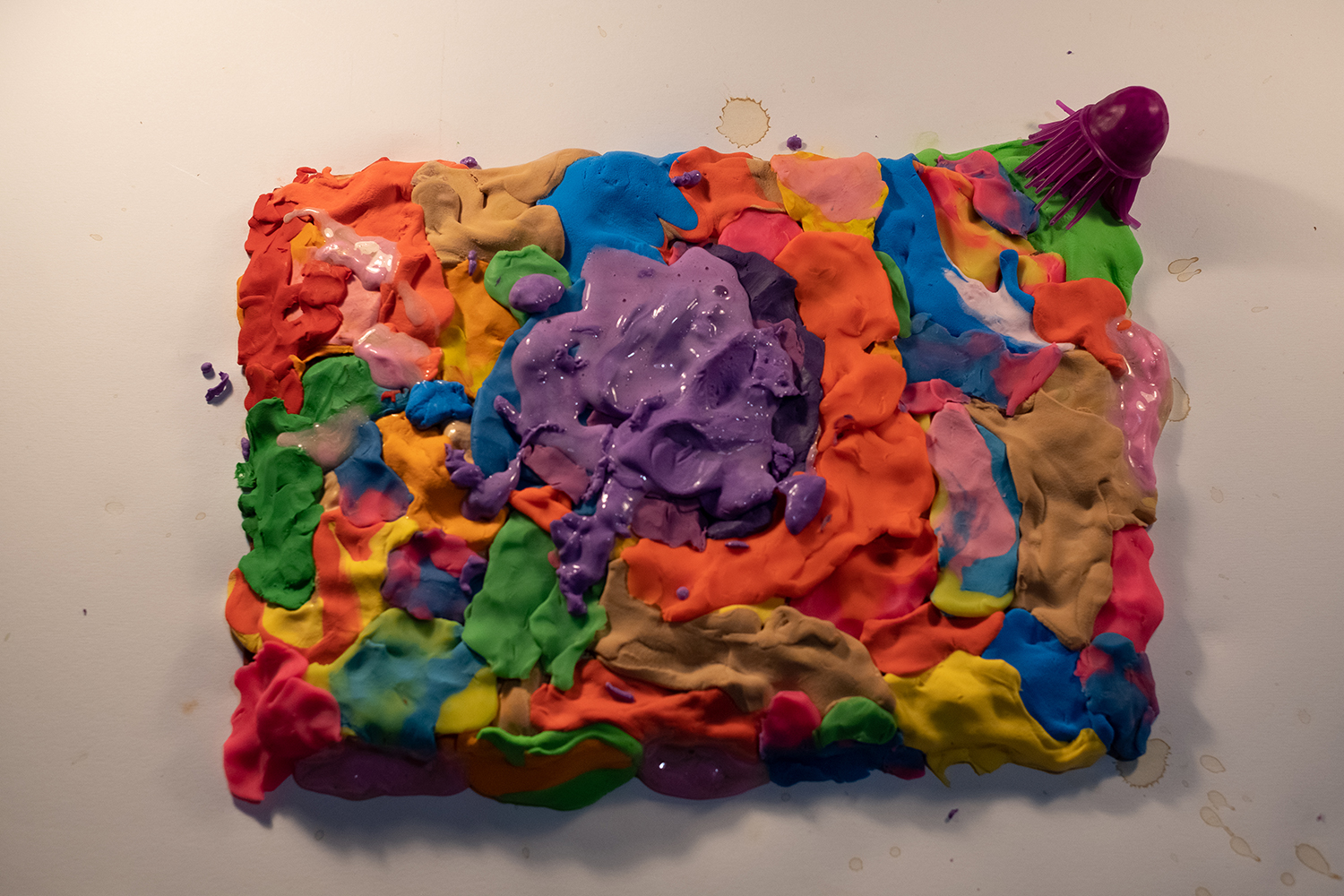
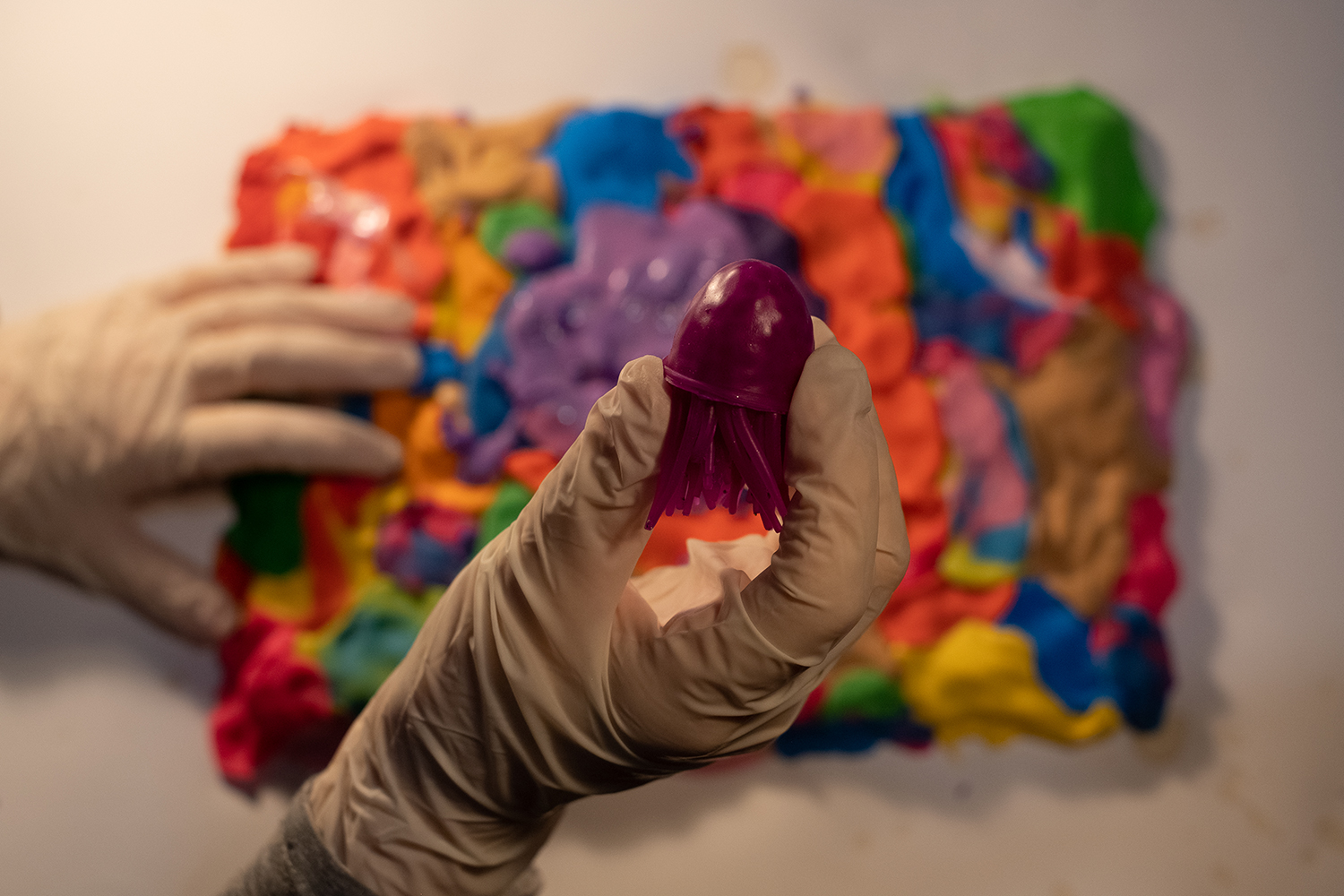
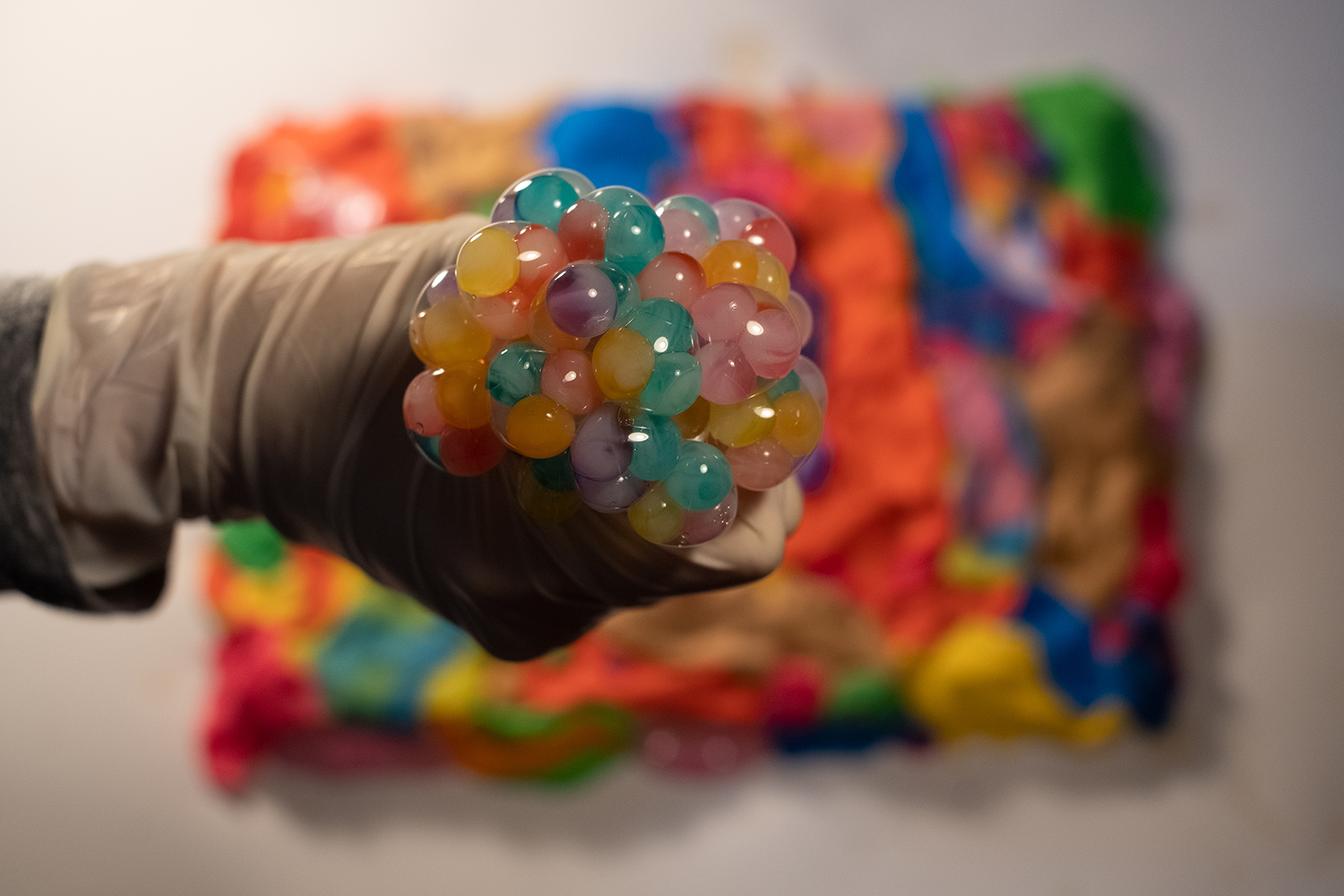
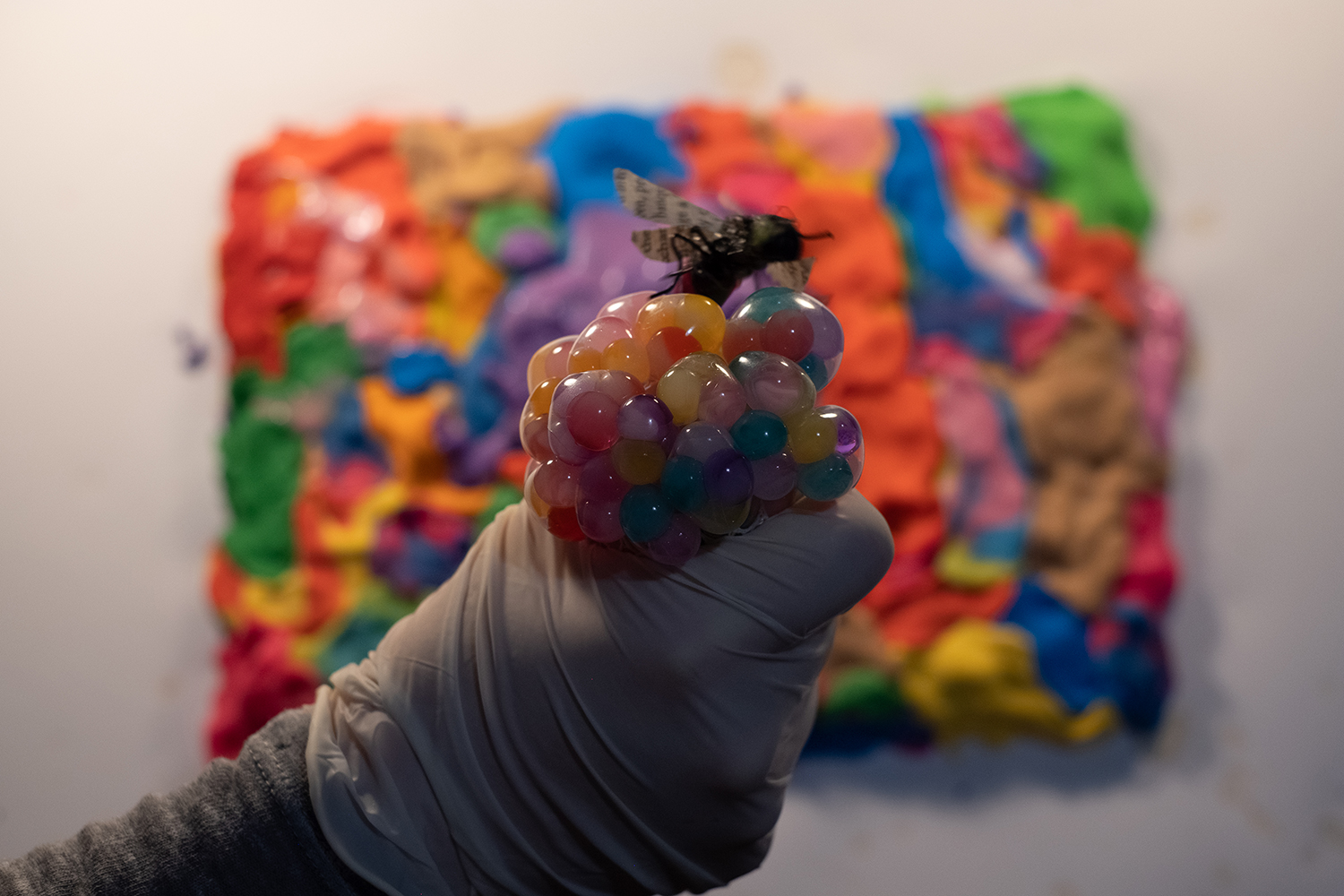
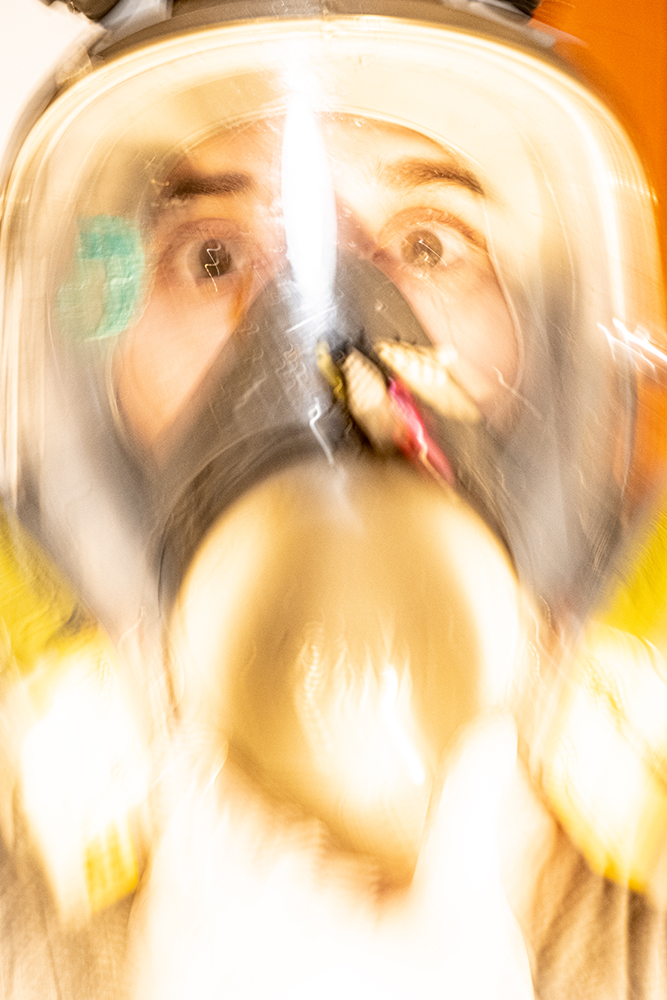
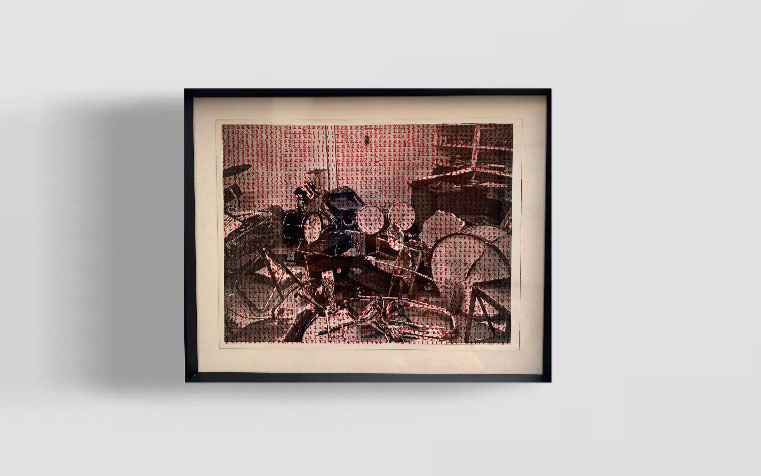
“We shall be your favorite disappearing act!” / Clare Strand, Playing a Photograph
This essay discusses the intellectual foundation of the research group Thinking Tools at the Royal Academy of Antwerp. Established within the photography department at the Academy, the research group quickly decided to mainly support research into experimental photographic practices that radically question existing presuppositions. It starts from André Bazin's contention photography is the only way we can enjoy the absence of the human hand in the production of an image and goes on to explore how this theme of absence has become a guiding principle for the research group. The writings of Vilém Flusser on photography introduced us to the concept of the apparatus and to the photographer as an operator. These allow us to critically rethink the idea of photography as a simple instrument of image making. For a better understanding of the sovereignty of the camera we turned another thinker inspired by Flusser, the French photohistorian Michel Frizot. His definition of photography as the conjunction of an optical and a chemical system helped us to grasp in more concrete terms how photography radically differs from other existing art forms. Combining the theoretical positions of Flusser and Frizot gave us a robust framework for the 2021 publication Off Camera which set out to demonstrate how the concept of ‘the photographic’ expanded into the larger realm of the visual arts. The essay concludes with a discussion of two artists whose work could illuminate how this concept of ‘the photographic’ is at play in contemporary art.
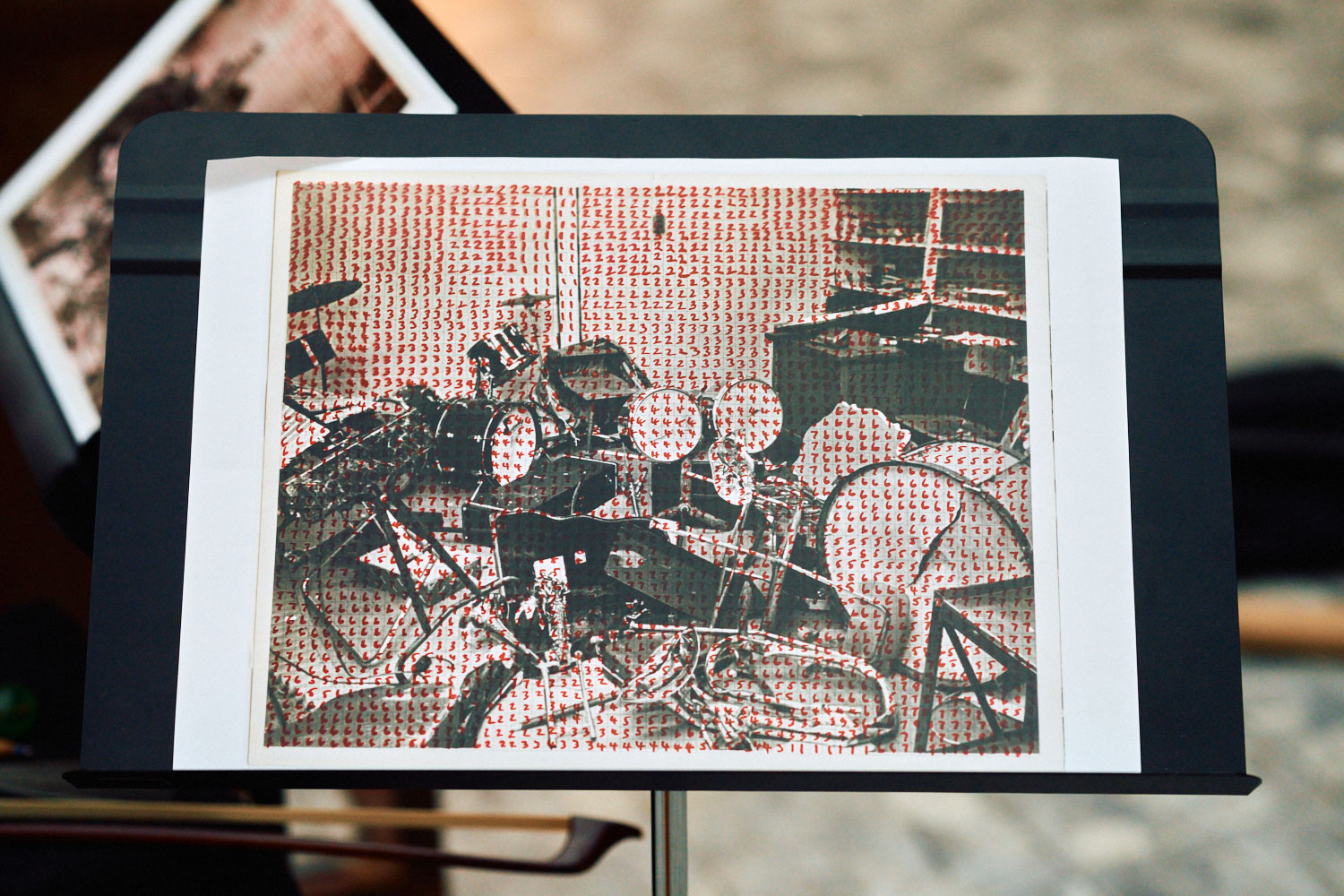
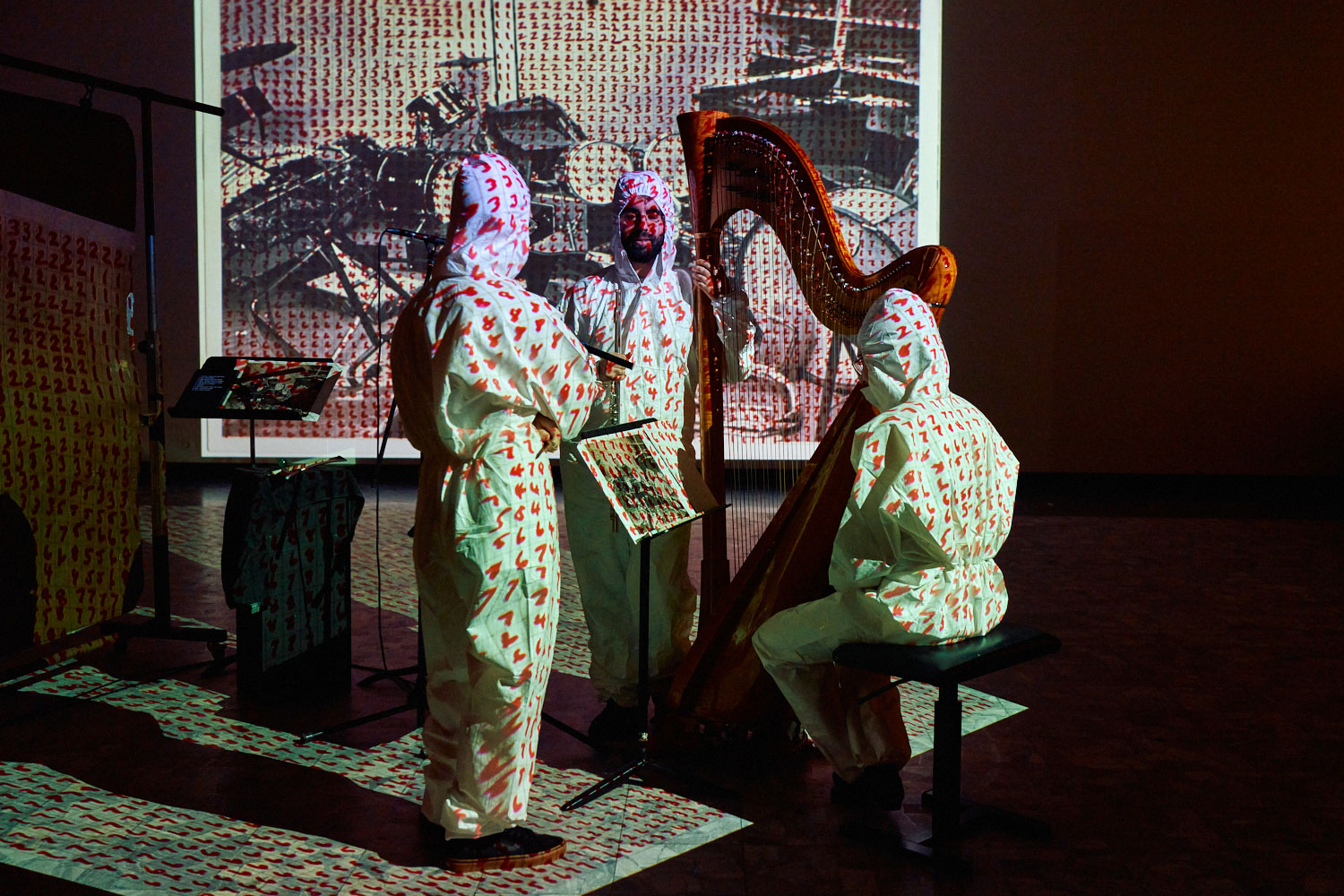
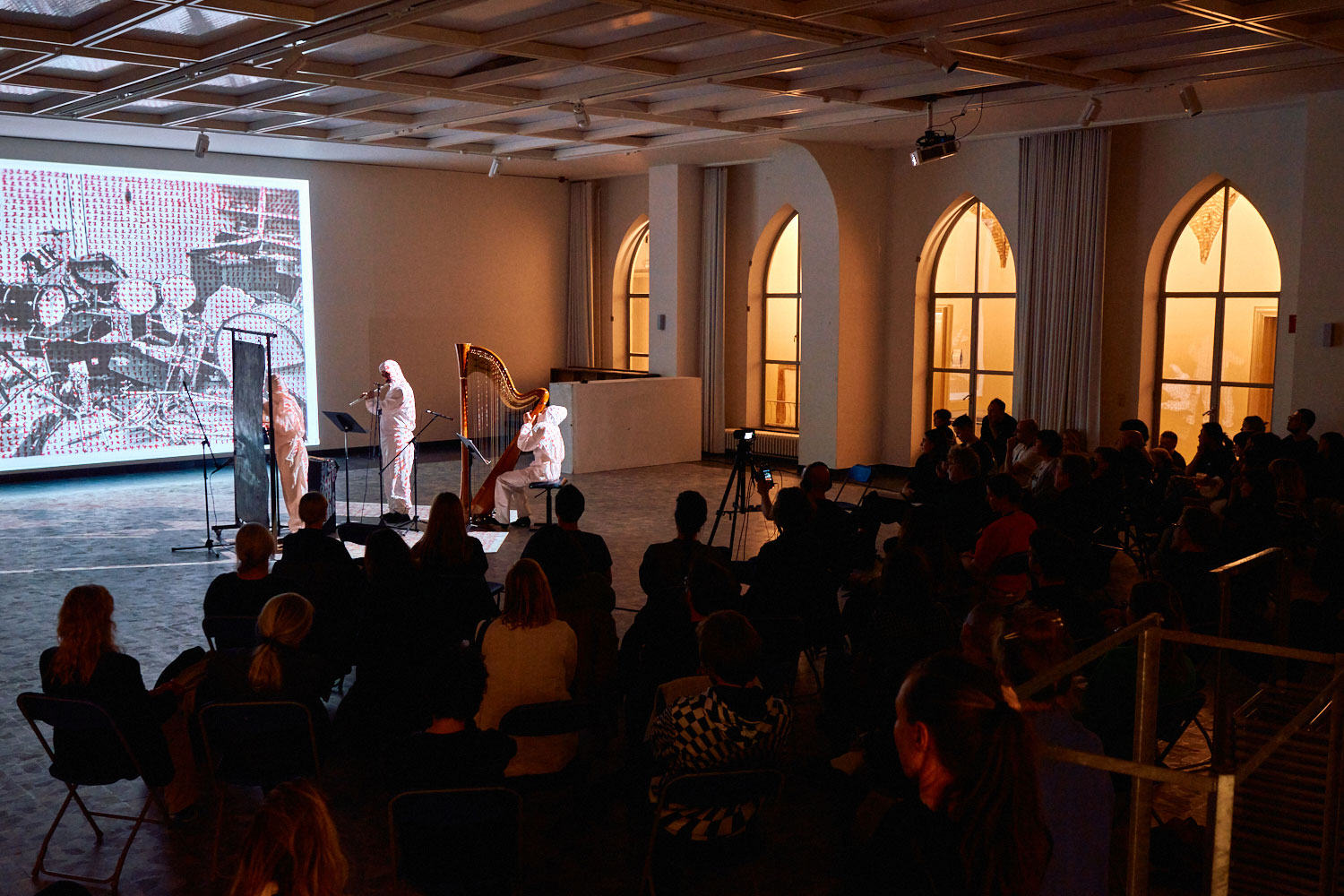
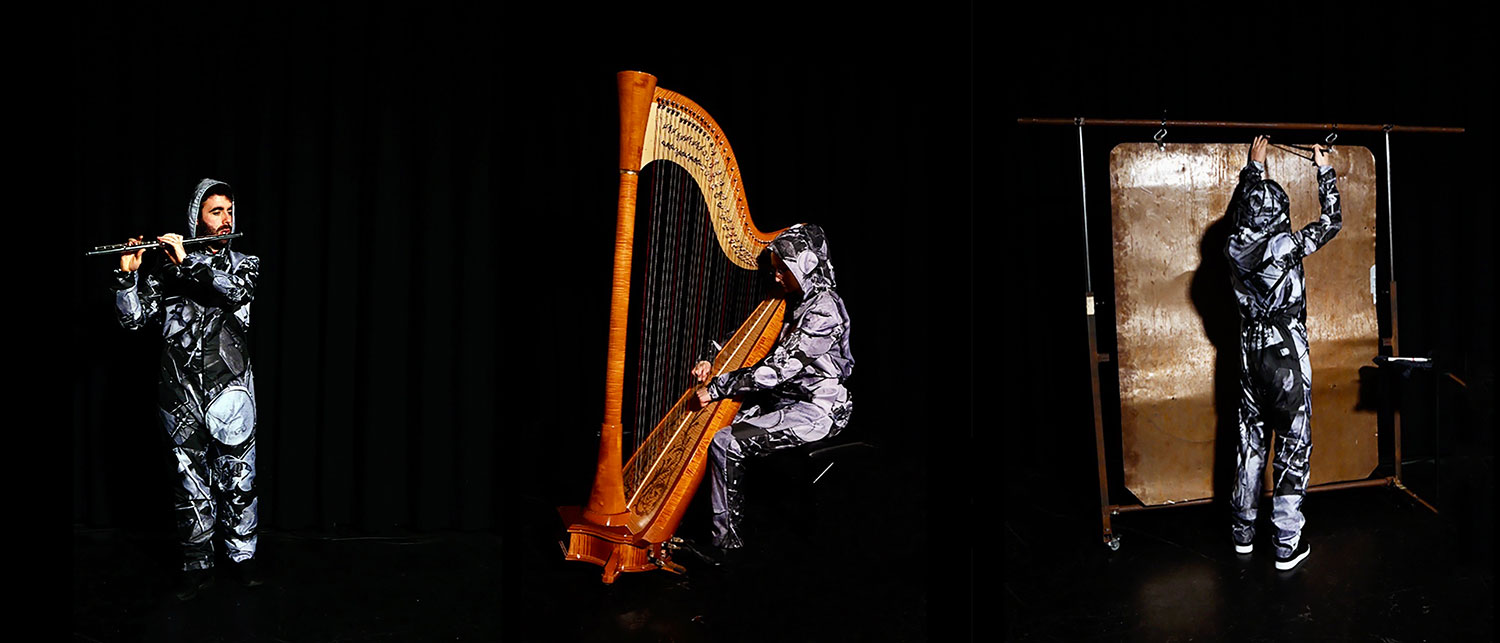
Clare Strand’s “Playing a Photograph” is a telematic dialogue between a photograph and musical performers from the Royal Conservatoire (https://vimeo.com/773269239/c934f6a17a).
Coloured technical images: On the Role of Colour in Vilém Flusser’s Work
Flusser wrote about colour from different points of view His interdisciplinary approach defies clear-cut borders by contaminating that which is generally thought to be separated. It rather seeks to create complex syntheses that play a privileged role in his texts on colour. In the same way, colours do not stick to the forms into which one tries to imprison them. They overflow, blend and bleed into each other. This essay focuses on four aspects of colour: the connection of black and white in photography and discourses on “racial” differences; the role of greyness and its relationship to colour luminosity in the description of culture and politics; the presence of colour in nature, landscape, and the animal world; Flusser’s use of colour in a redefinition of the notion of technical images in the context of the project of the Casa da Cor.
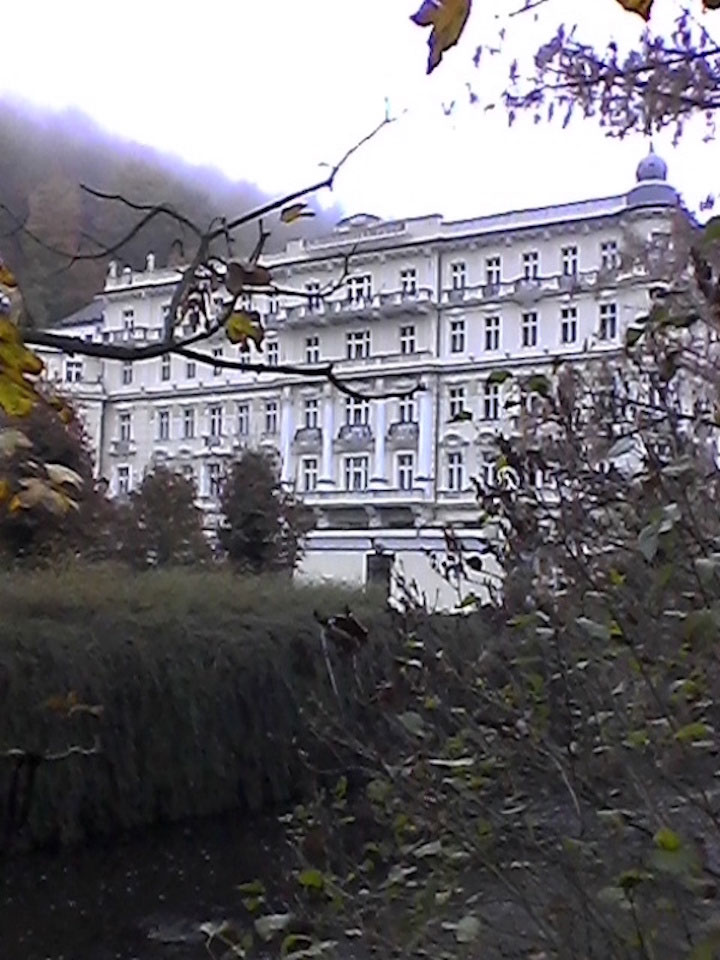
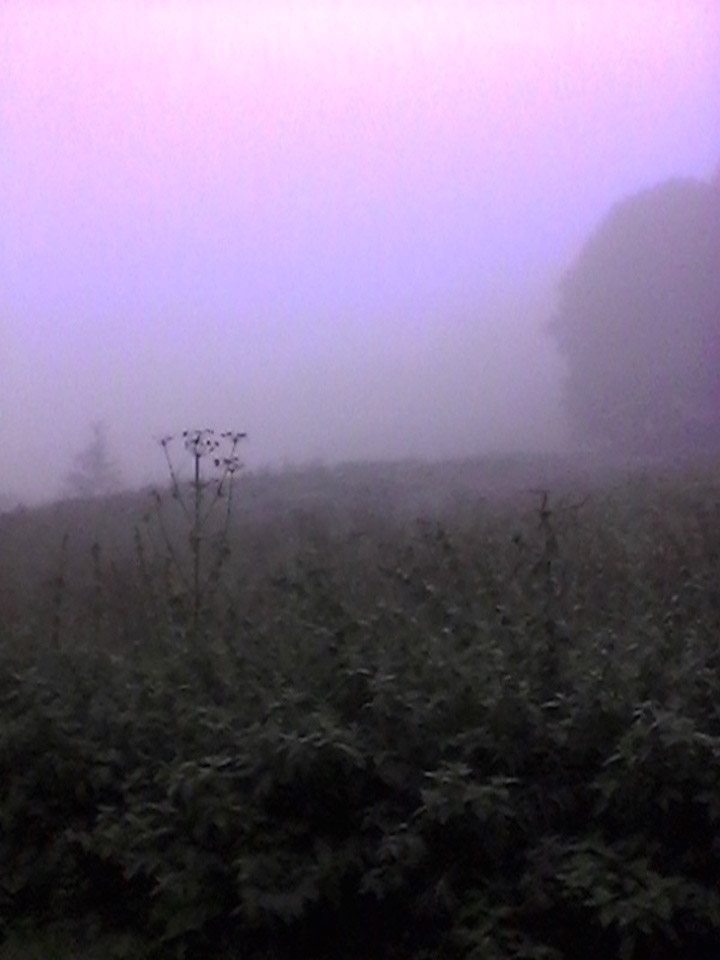
Small Data Photography. Mit weniger Daten mehr erfahren
Everybody is snapshooting, everywhere. Flusser’s statement in his Toward a Philosophy of Photography from 1983 is even more significant forty years later in our brave new world of smartphone pictures. Is it possible to overcome the abundant redundancy of digital colour photography by using the same device, a mobile phone? In her experiments against the apparatus Vera Schwamborn developed what she calls „Small Data Photography“ as an answer. It is amazing that 480 x 640 pixel image on a small Nokia mobile can result in irritating and informative photographs opening a path to regain the world around us by small data. Flusser tried to combine aesthetics and technology as a way to bring back sensual experience into our abstract environment of calculus and computation. Together with Karl Gerstner he developed ideas of a colour code parallel to the all-embracing number codes of our time. Small Data photos also offer a reconciliation. They disclose a world of images that lie before the text and beyond the number.

Brief Encounter with Vilém Flusser. An Interview
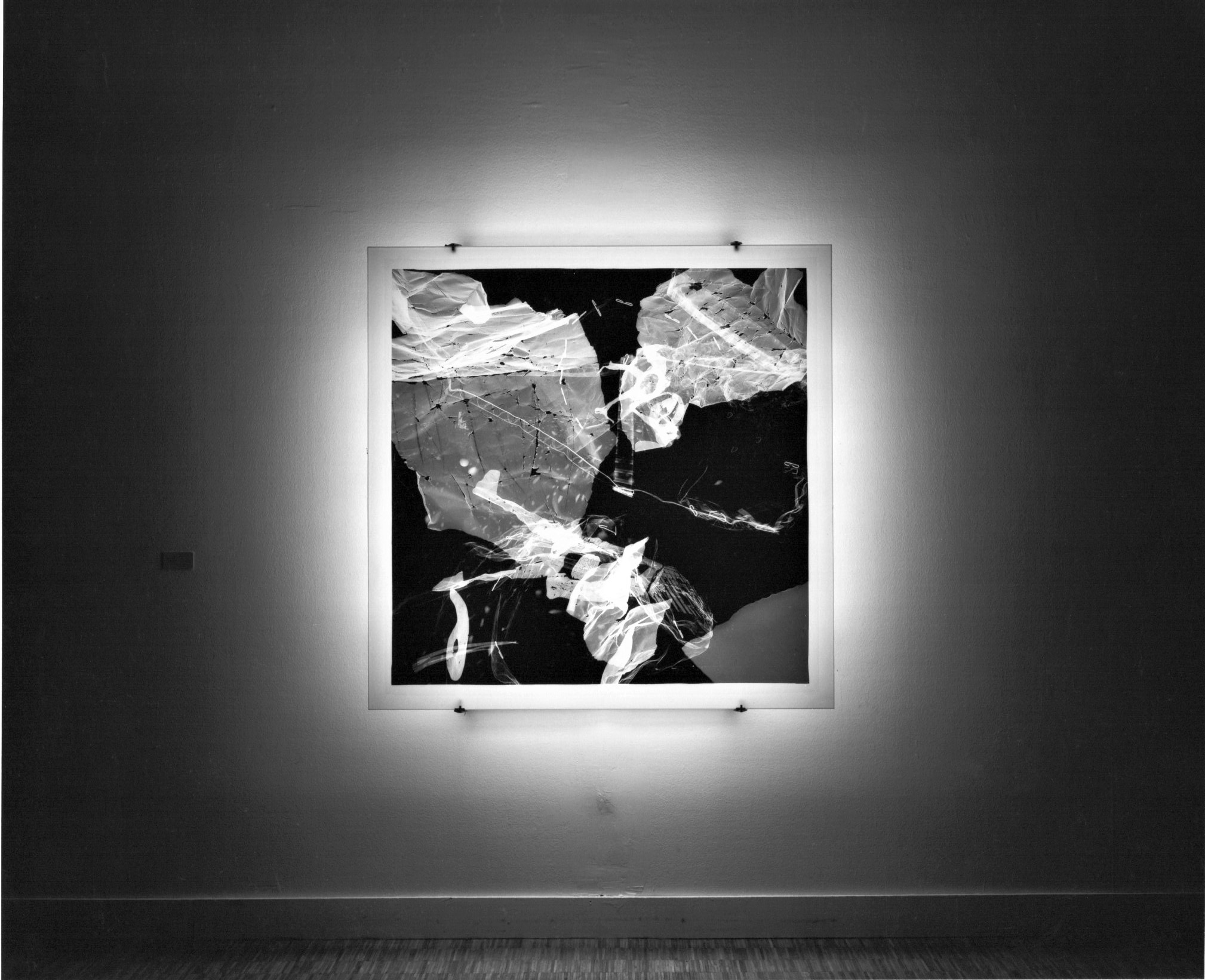
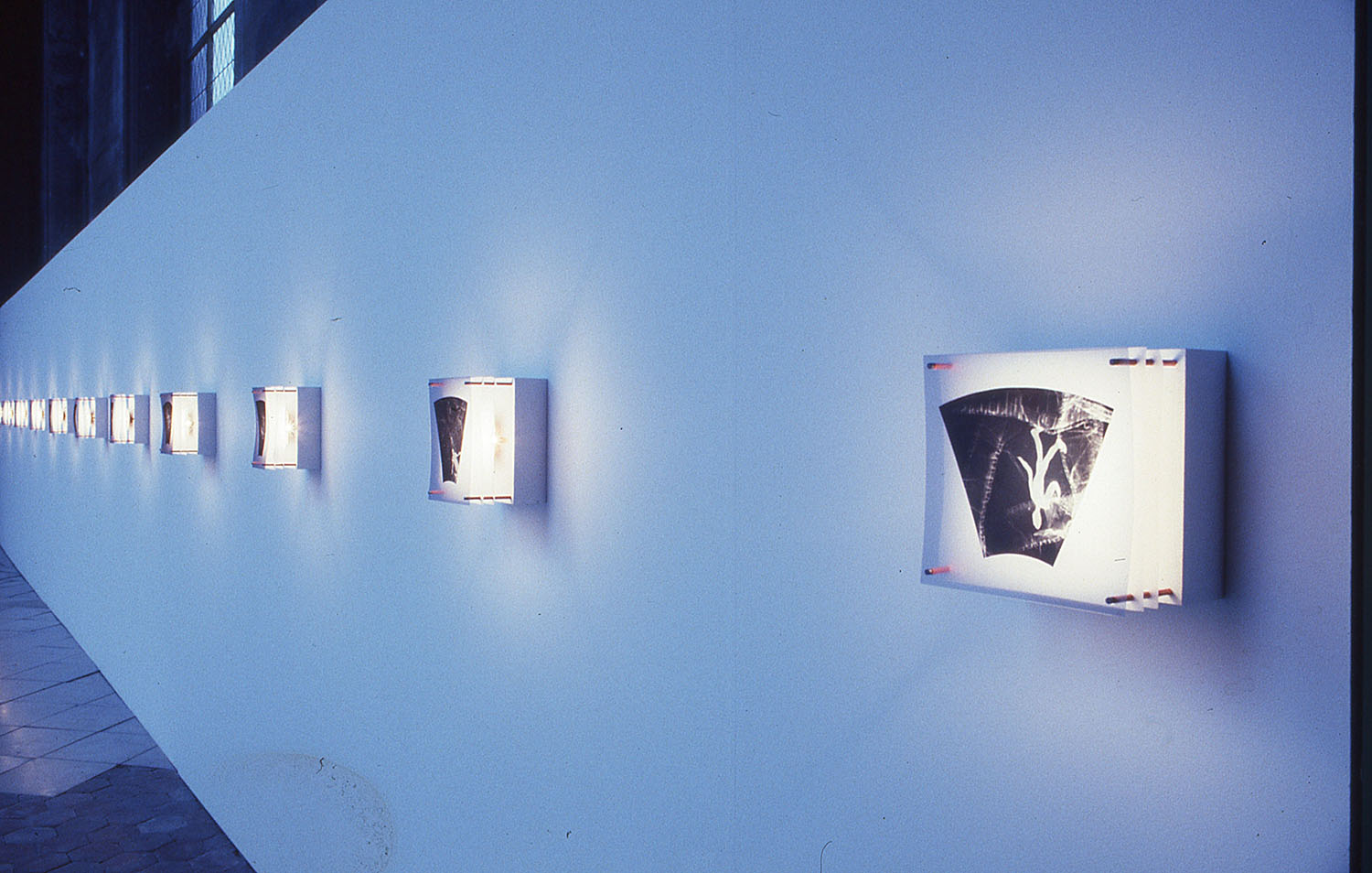
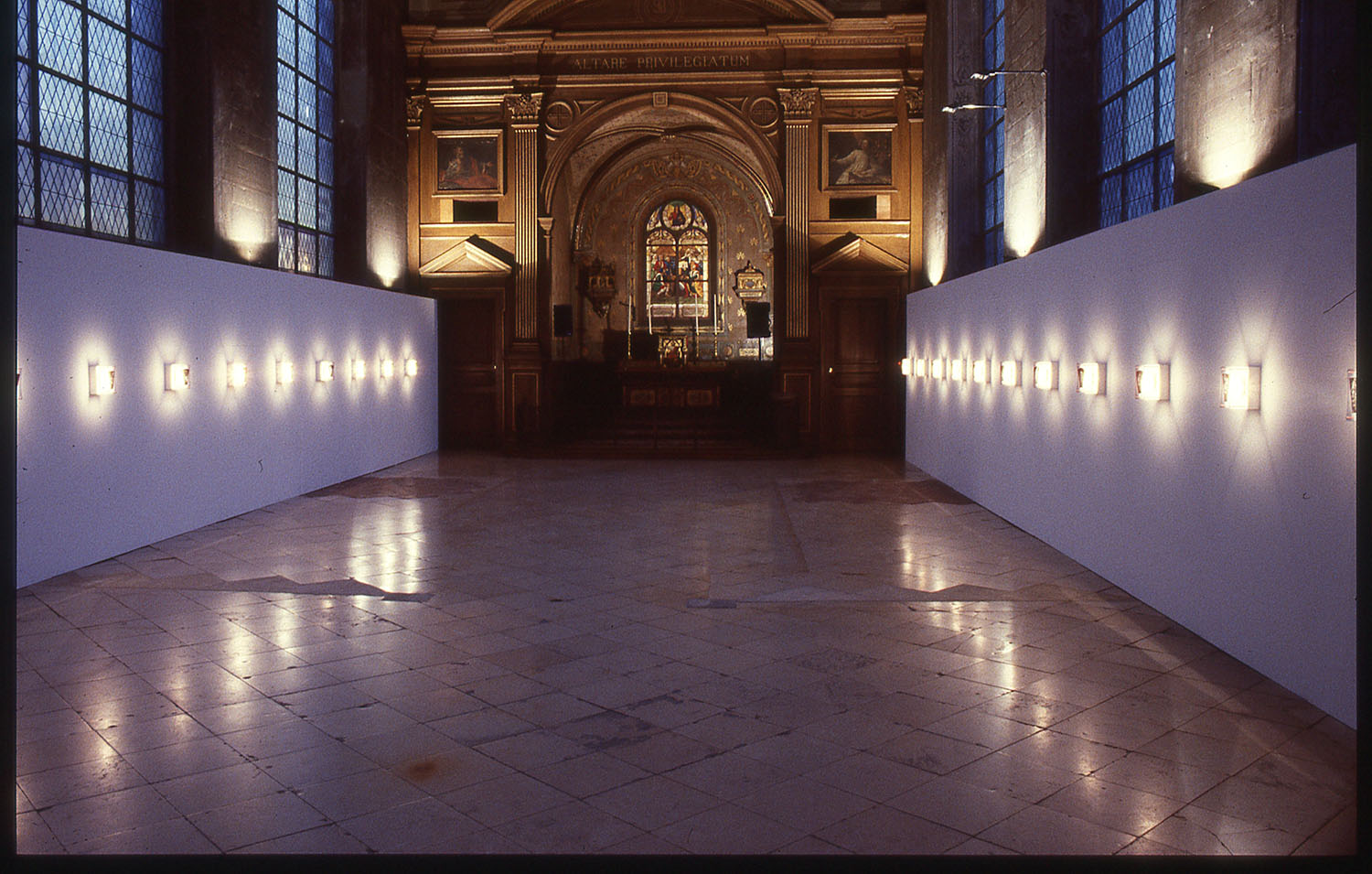
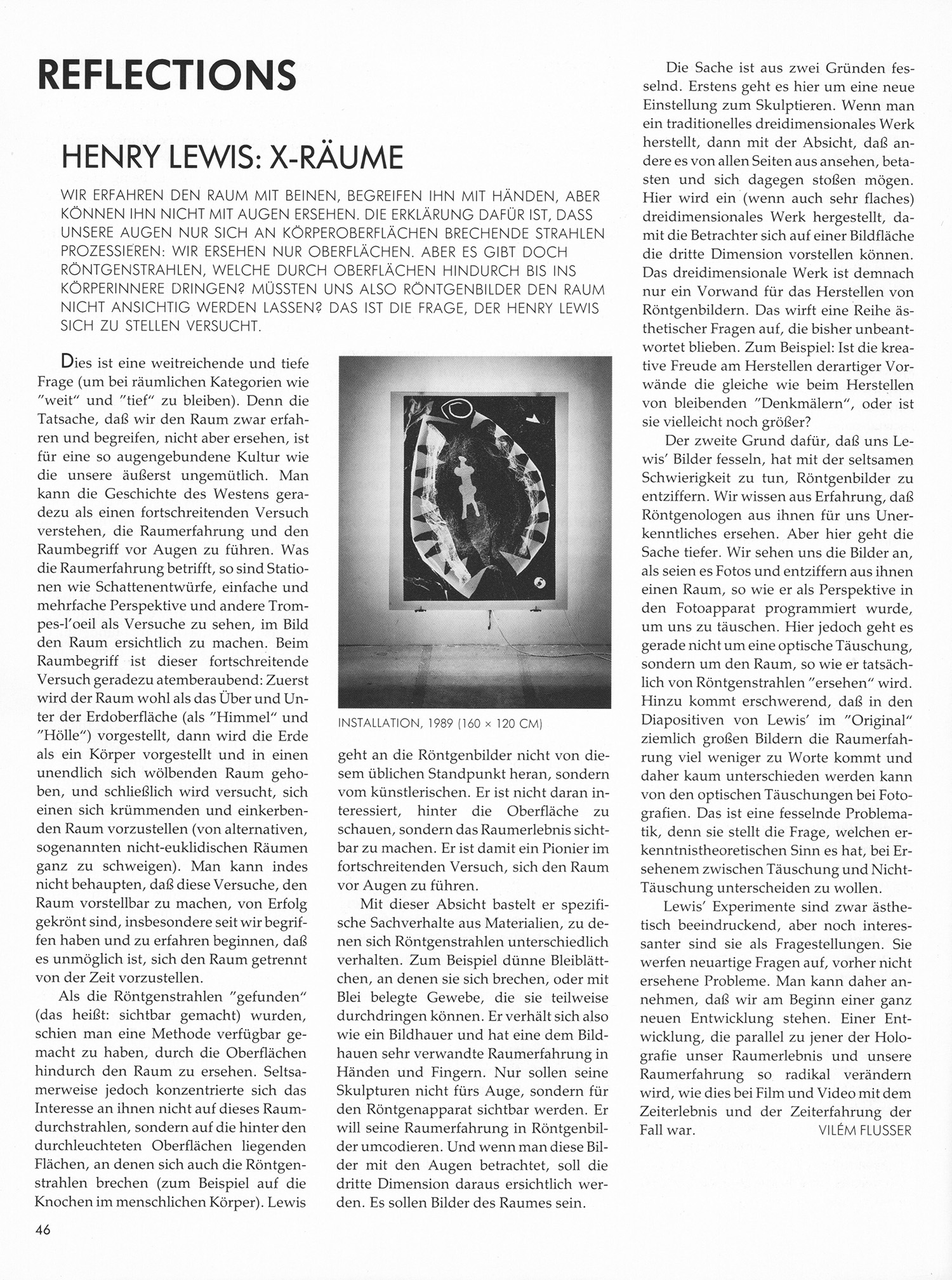
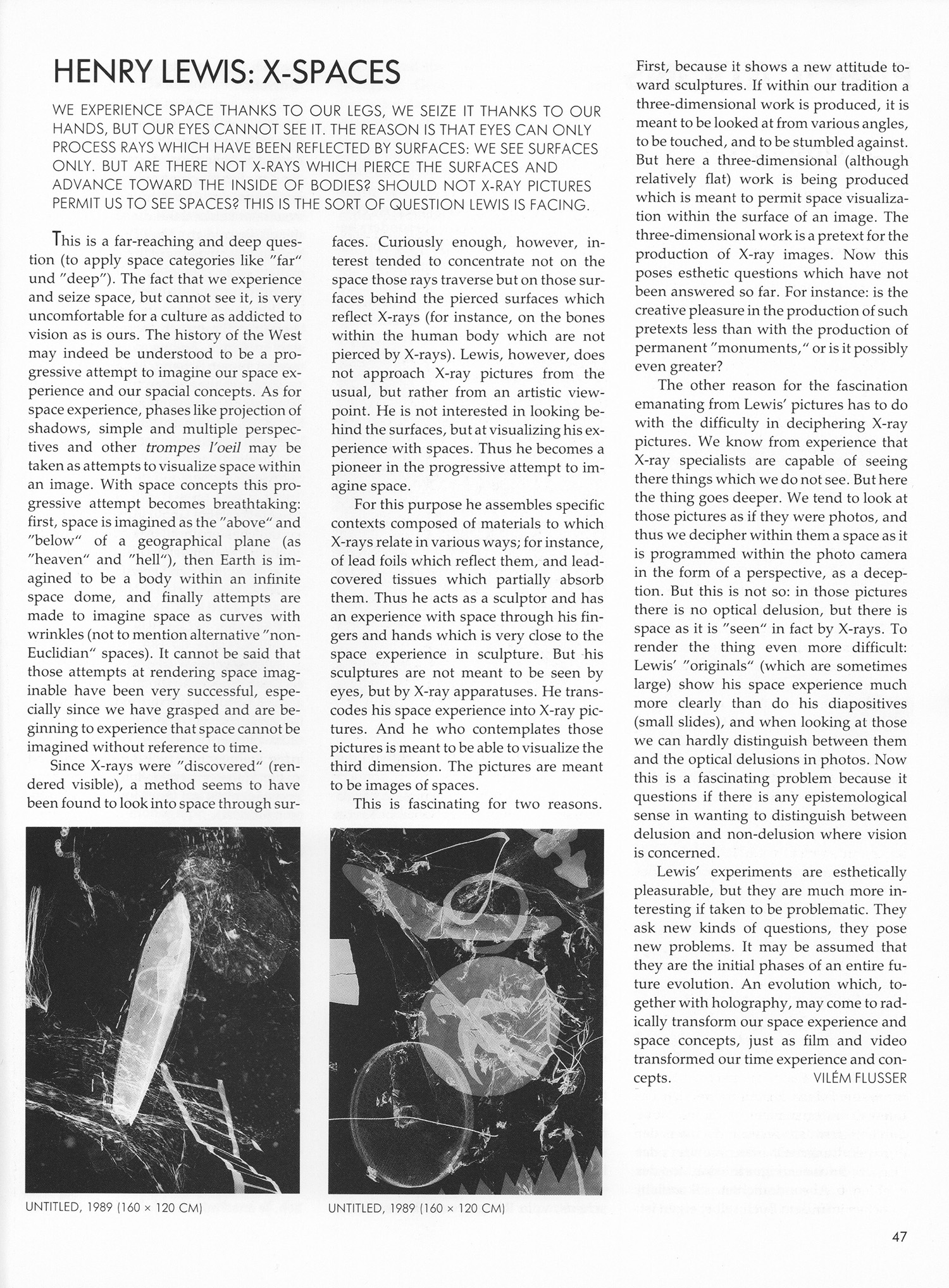
In this interview, Henry Lewis, who originally comes from Australia where he now lives again, speaks about his early interest in photography, the years he spent in France and his relationship to Vilém Flusser. His work as a photographer was not only influenced by other photographers like Man Ray – especially the Rayographs -, Tom Dahos, Jürgen Klauke, Juan Fontcuberta, but also by painters and sculptors like Ellsworth Kelly. Lewis got to know Flusser through Andreas Müller-Pohle whom he had showed his radiographic work and who suggested that he made contact with Vilém Flusser in Robion. Lewis and his wife Christiane visited Vilém and Edith Flusser in the South of France several times. Lewis also talks about Flusser’s influence on his work, the relevance of Flusser’s work thirty years after his death, and the future of photography.