Flusser Studies 42 – November 2026
Part I: Vilém Flusser On Ed Sommer and Ulrich Mertens
Ed Sommer: Dialogisches Fotografieren / Dialogic Photography - Photographie dialogique - Fotografia dialógica / Fugen / Fugues / Fugues – Fugas
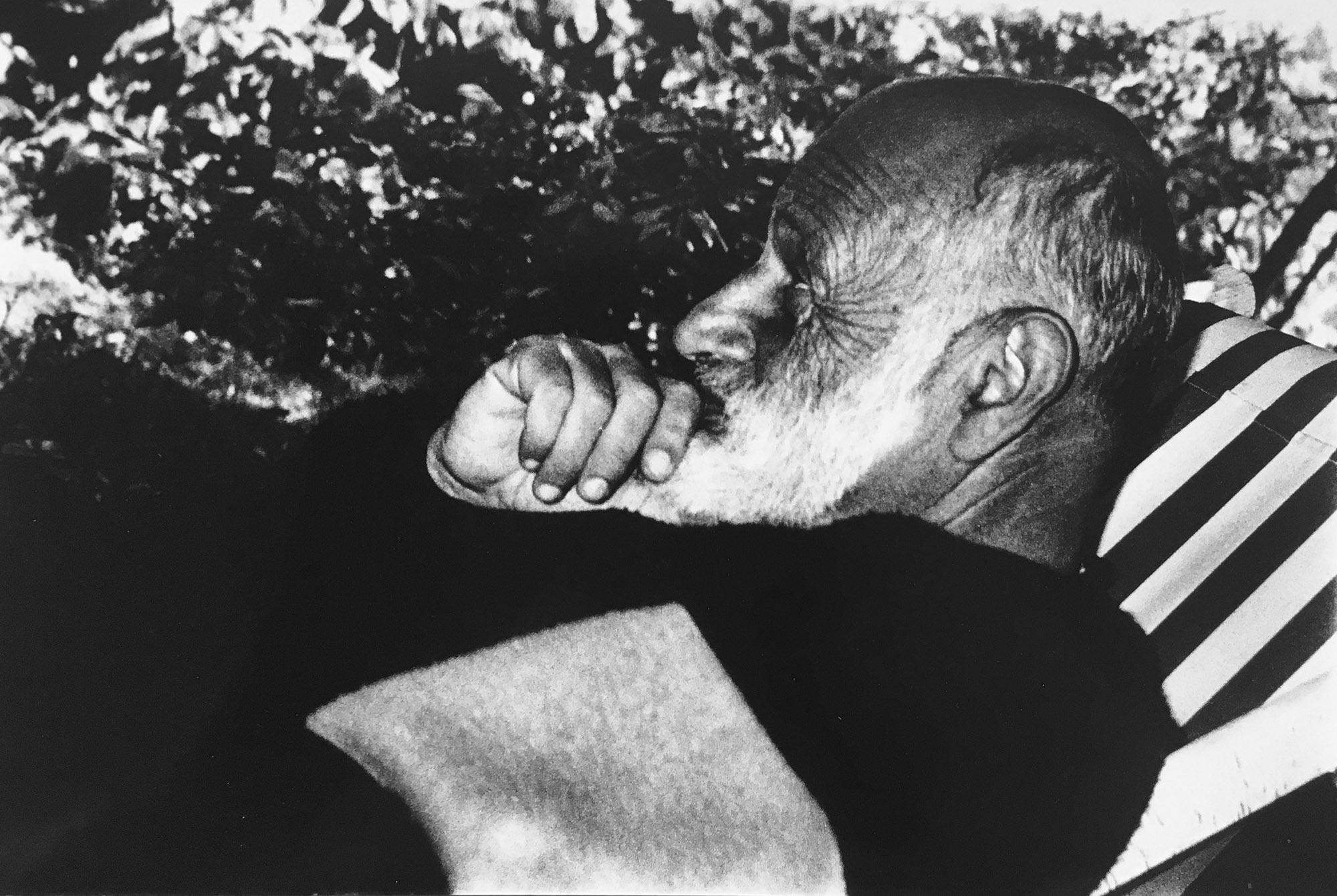
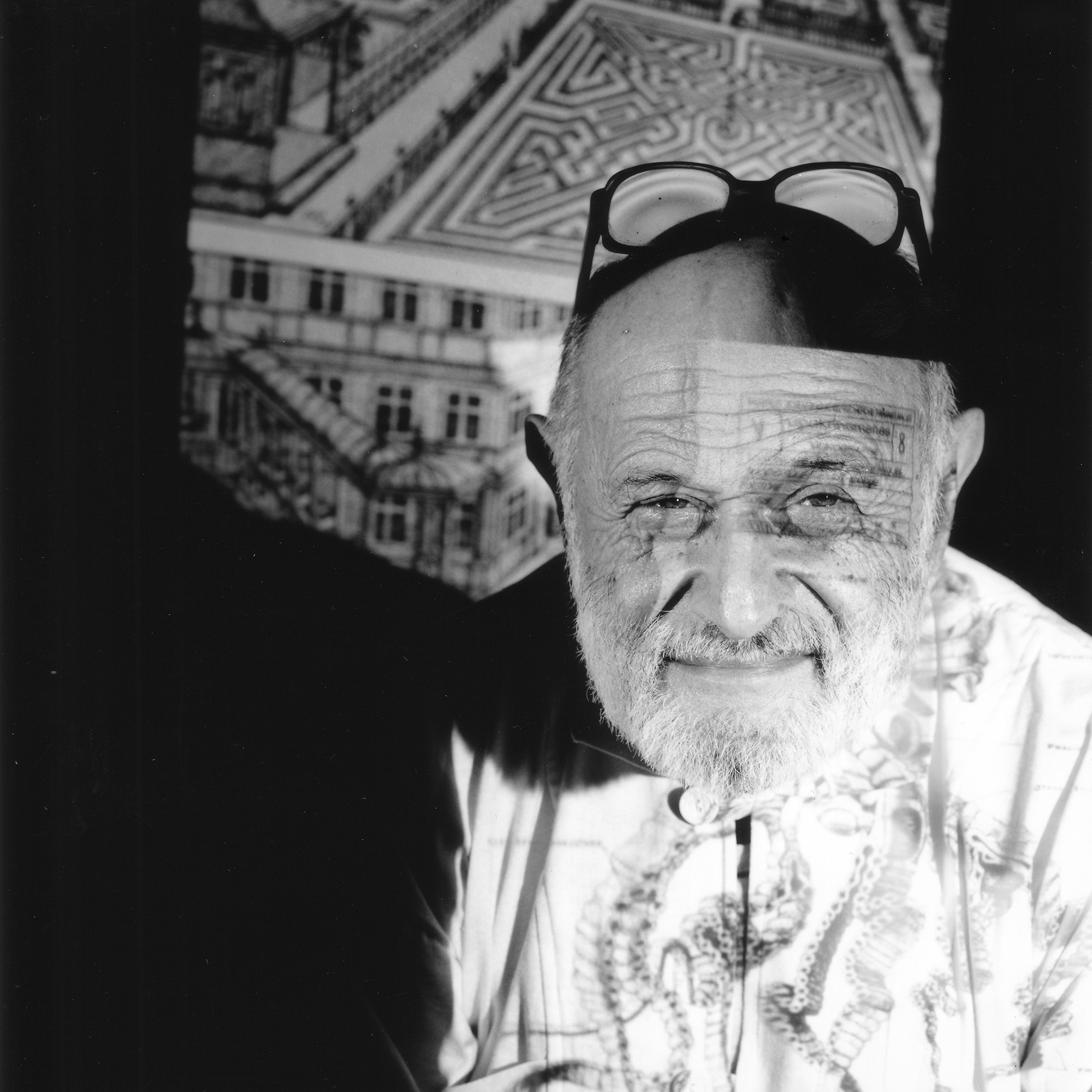
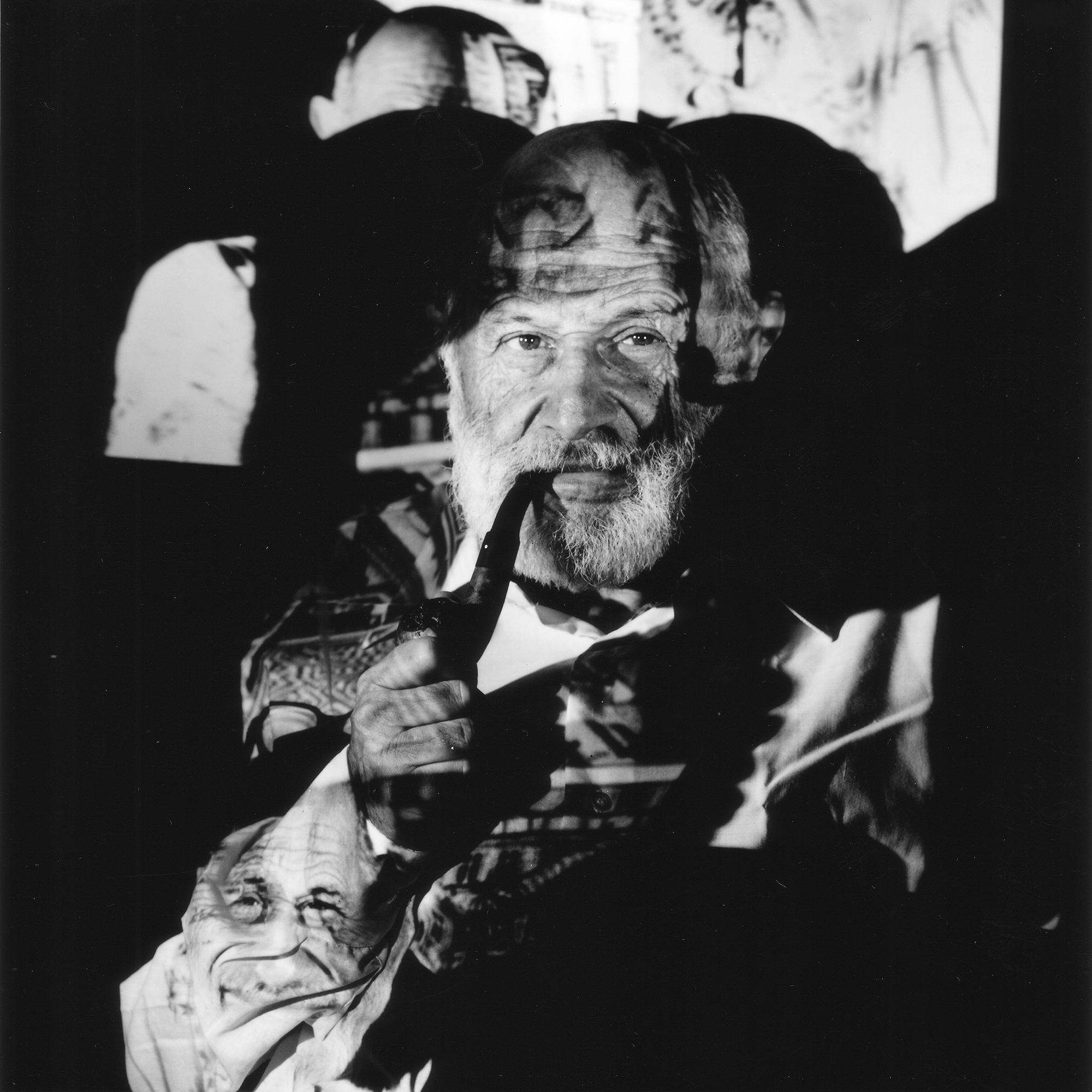
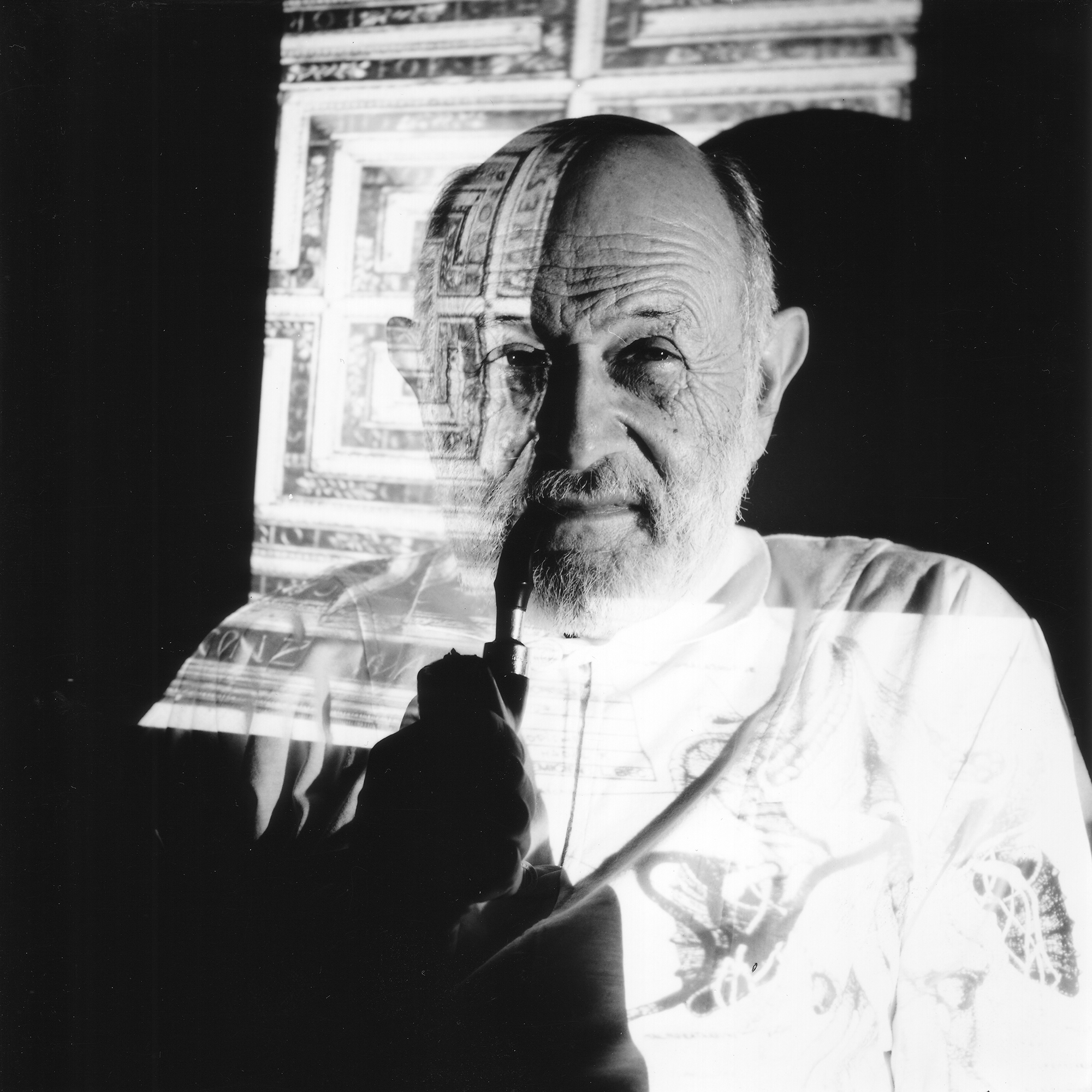
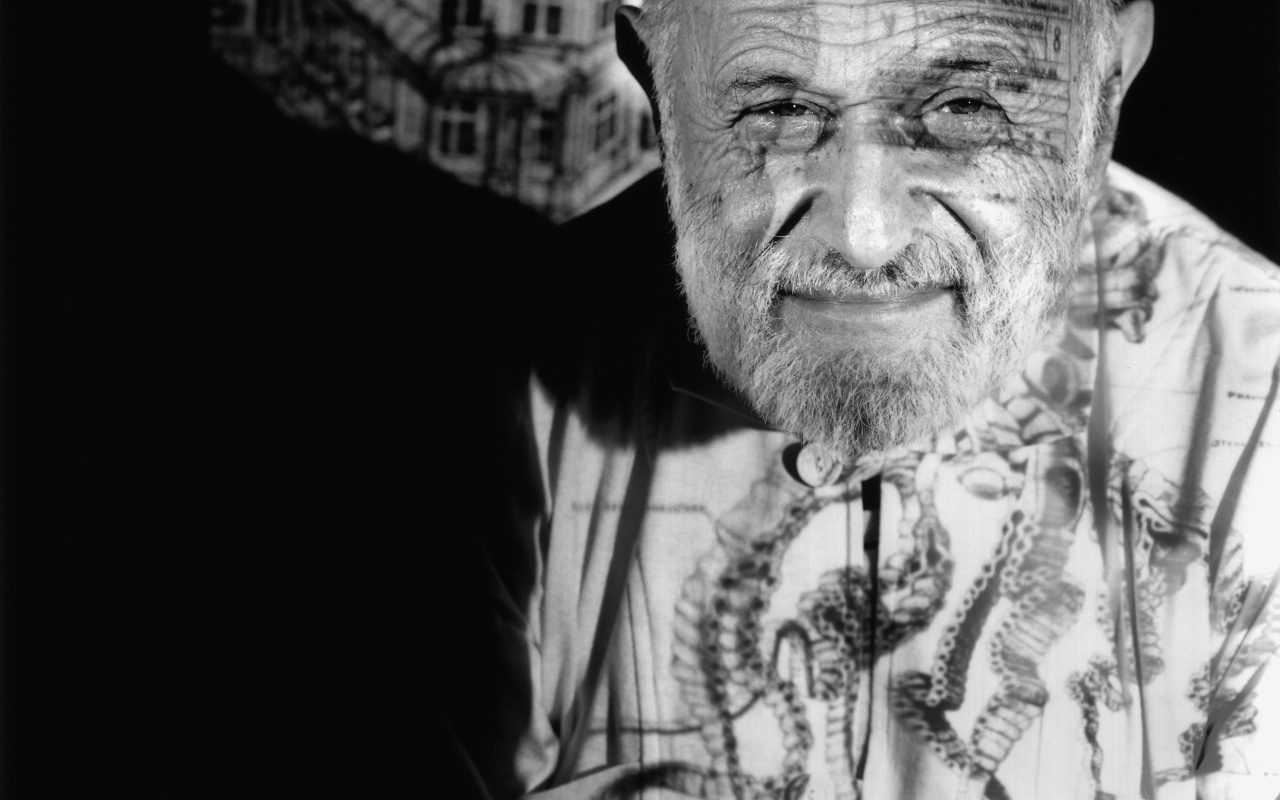
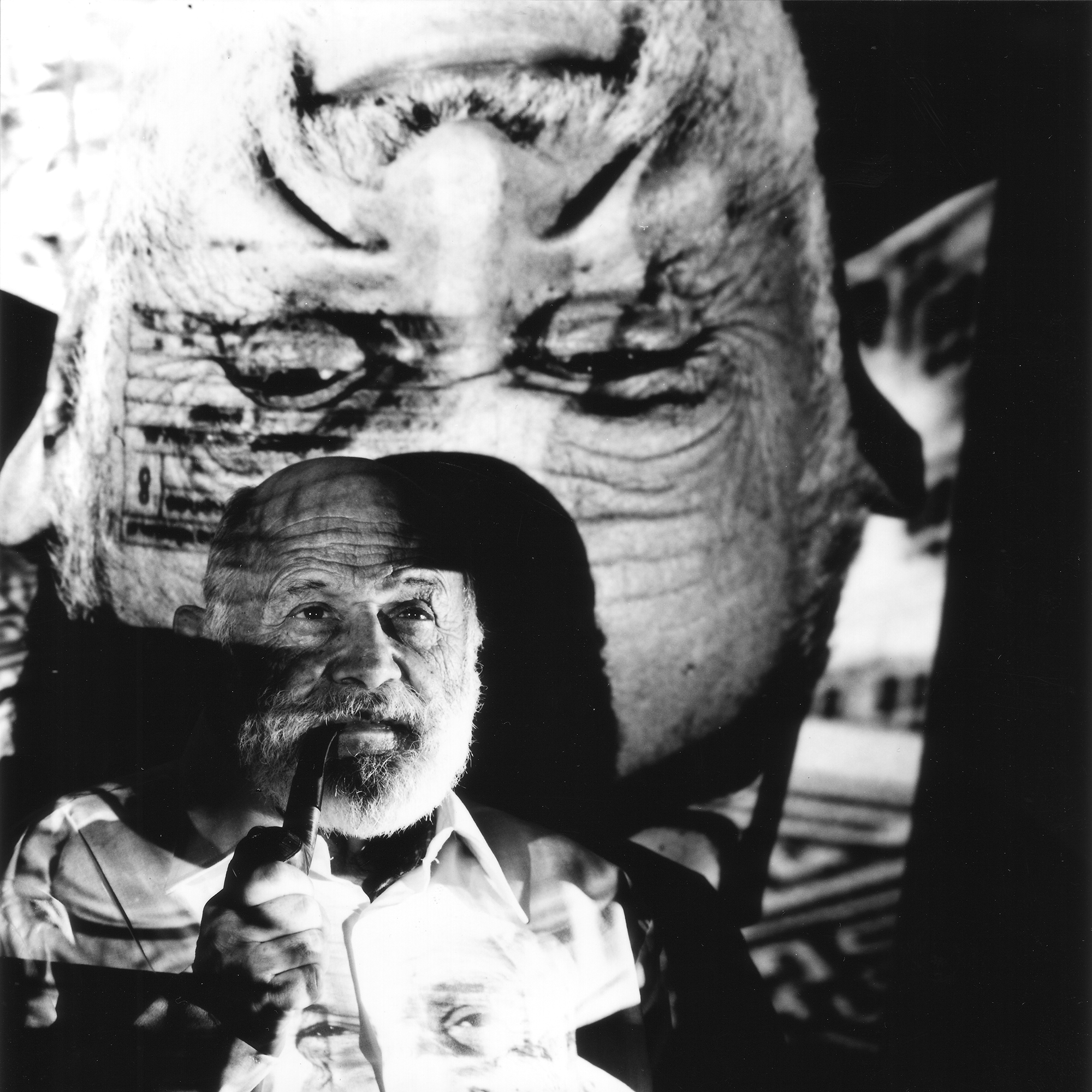
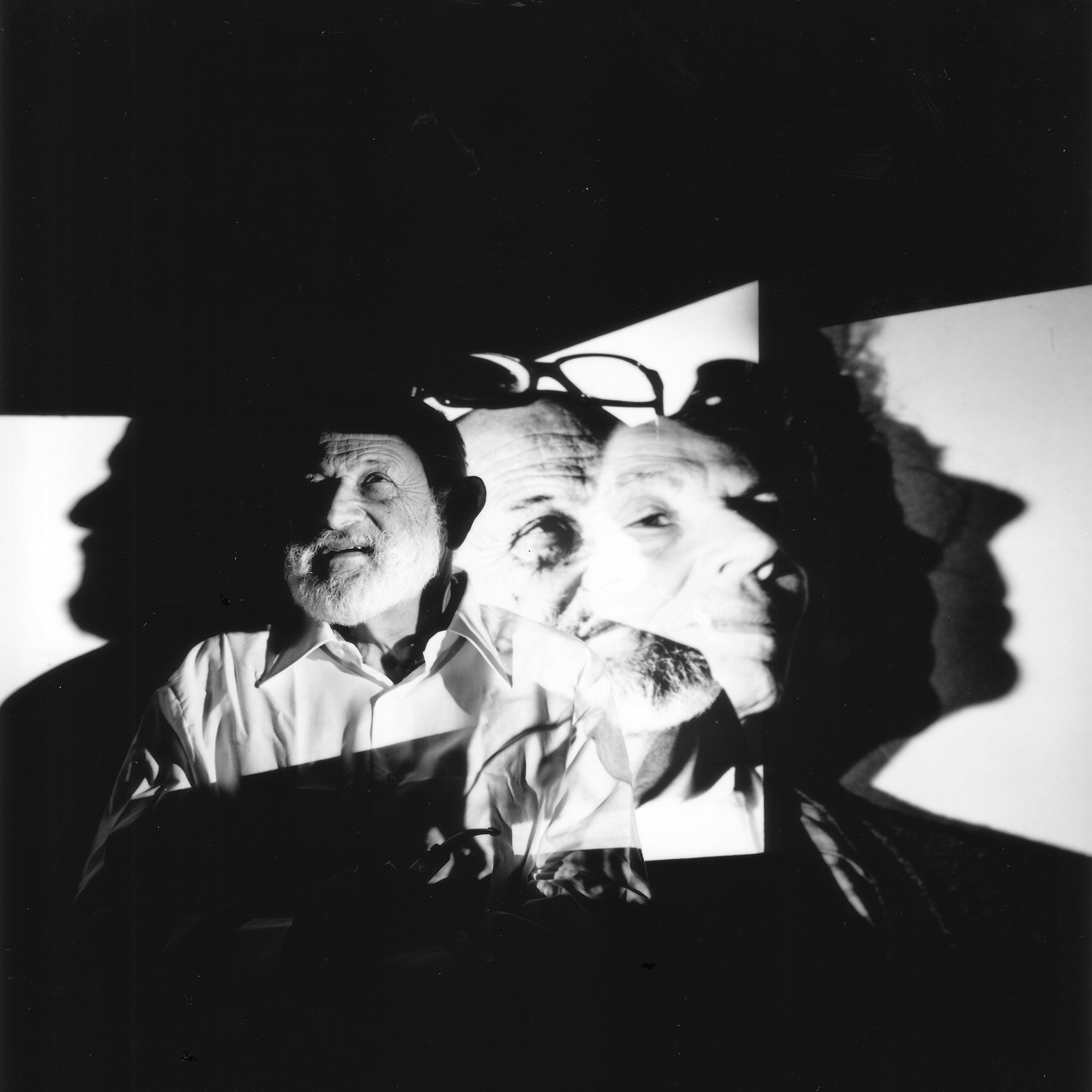
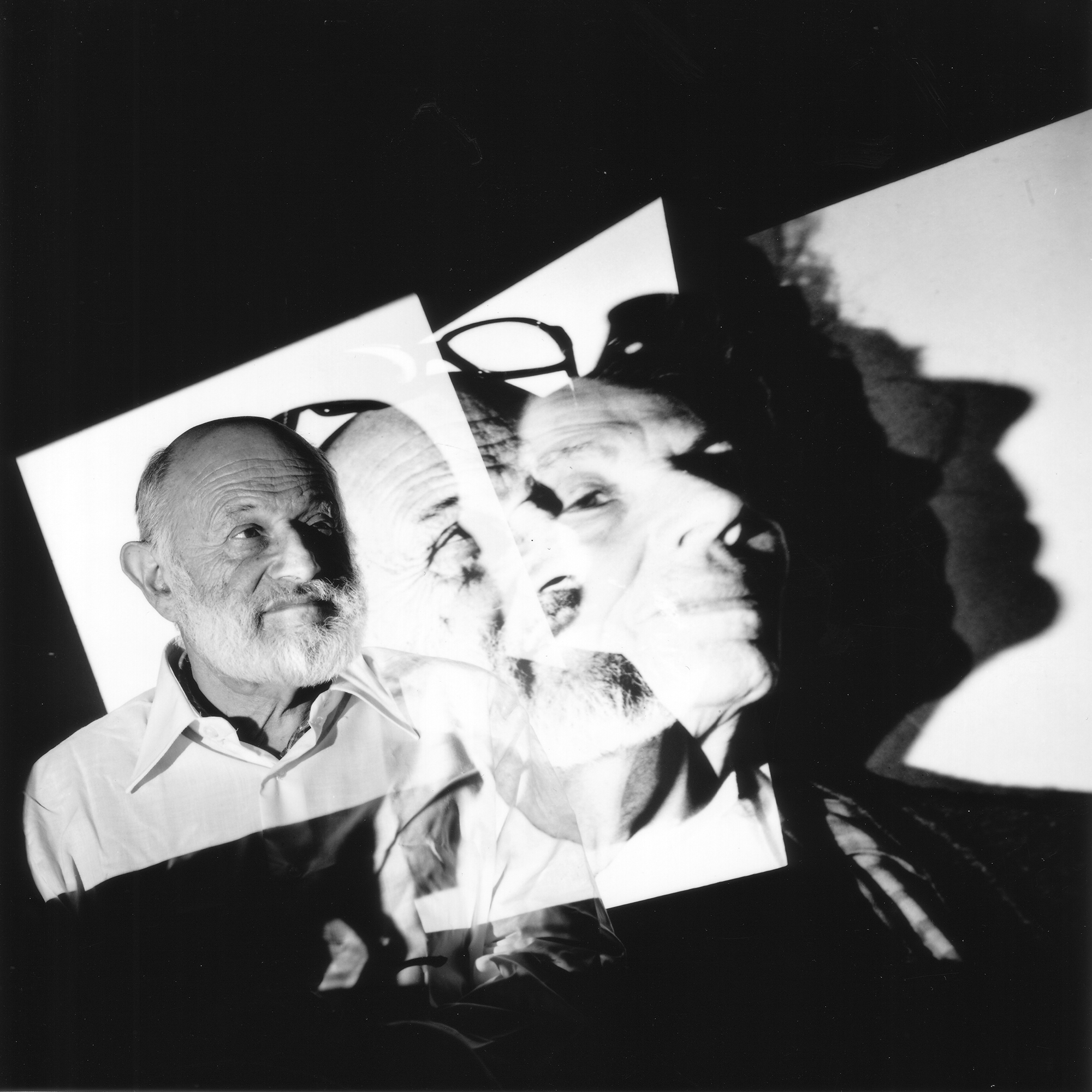
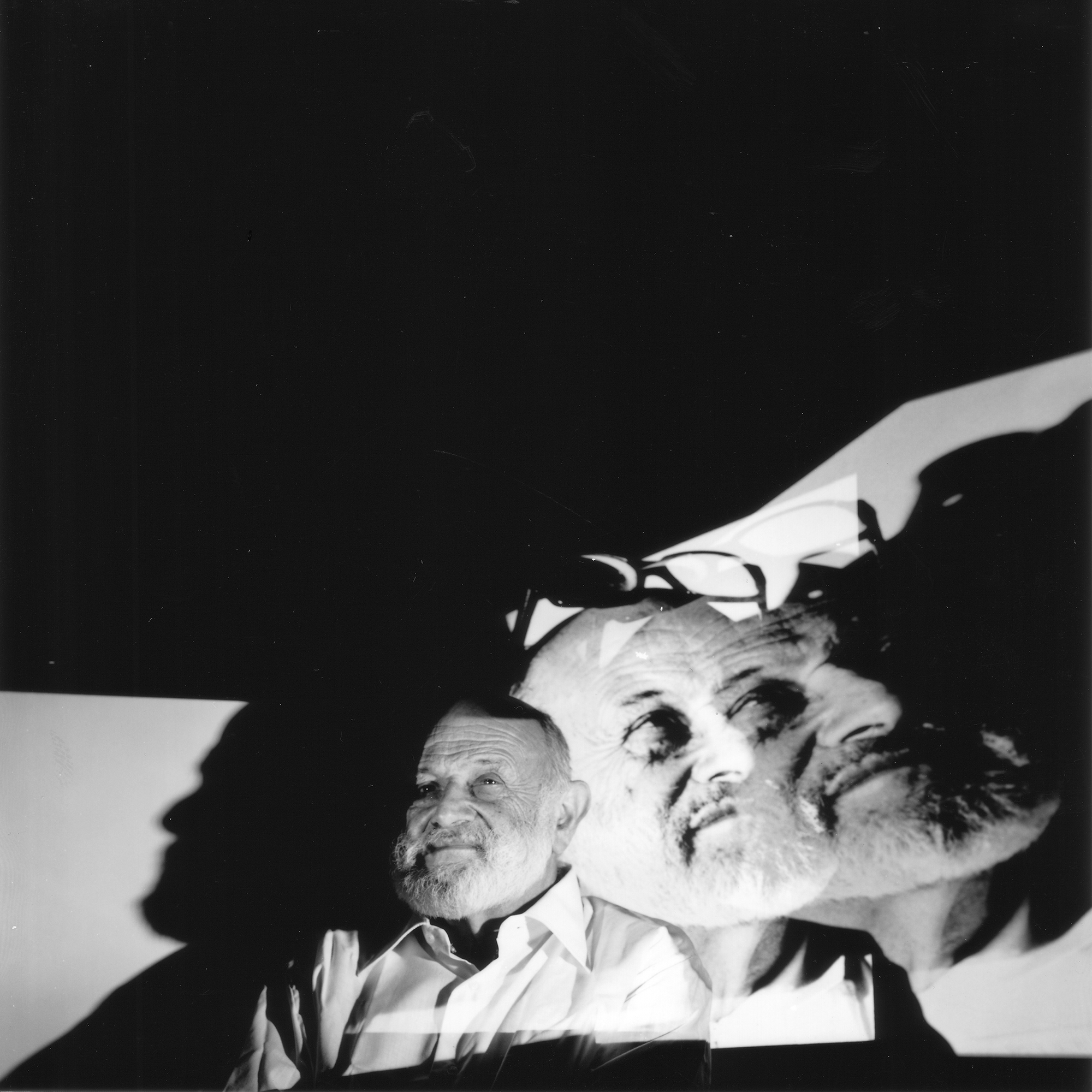
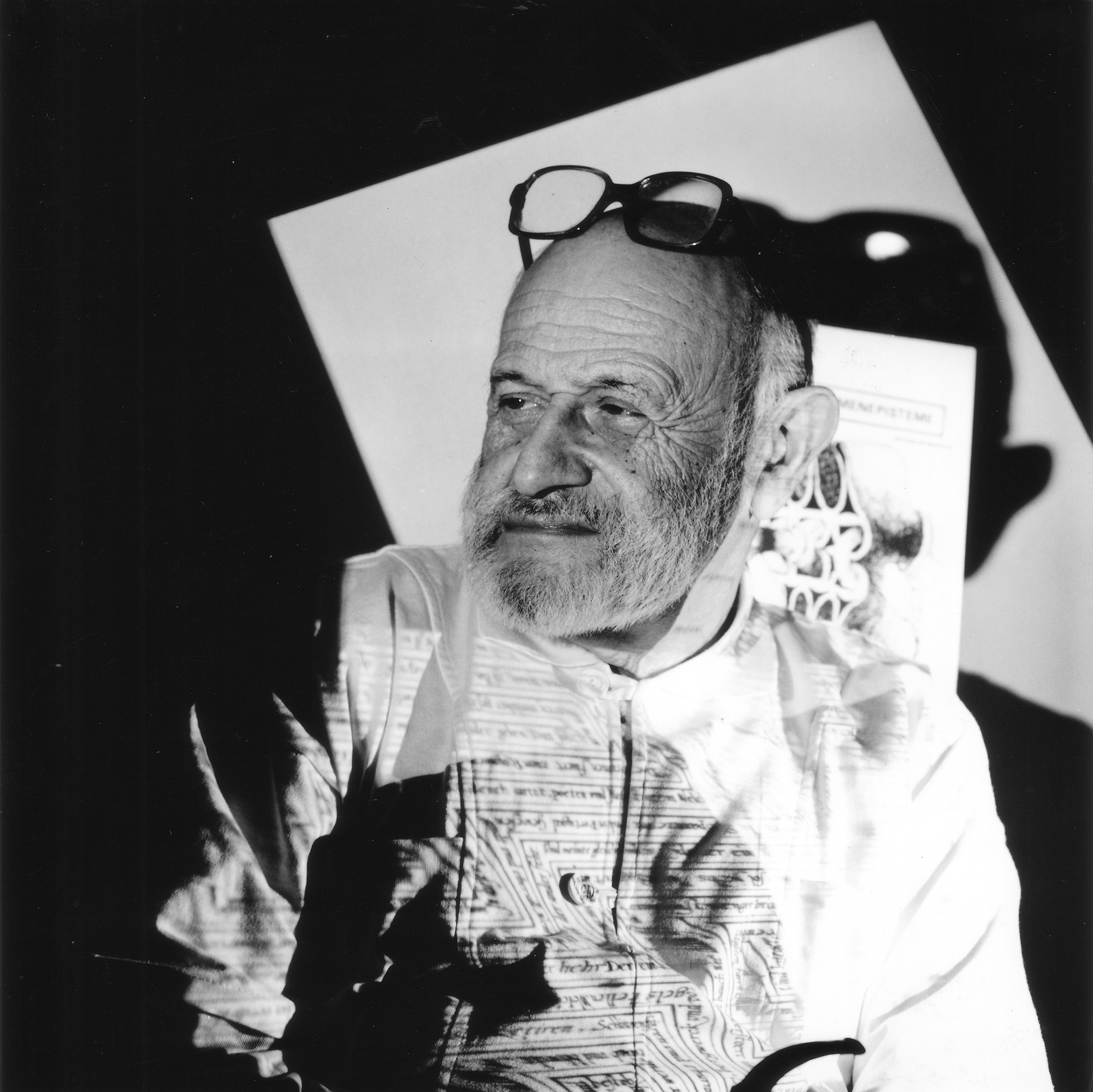
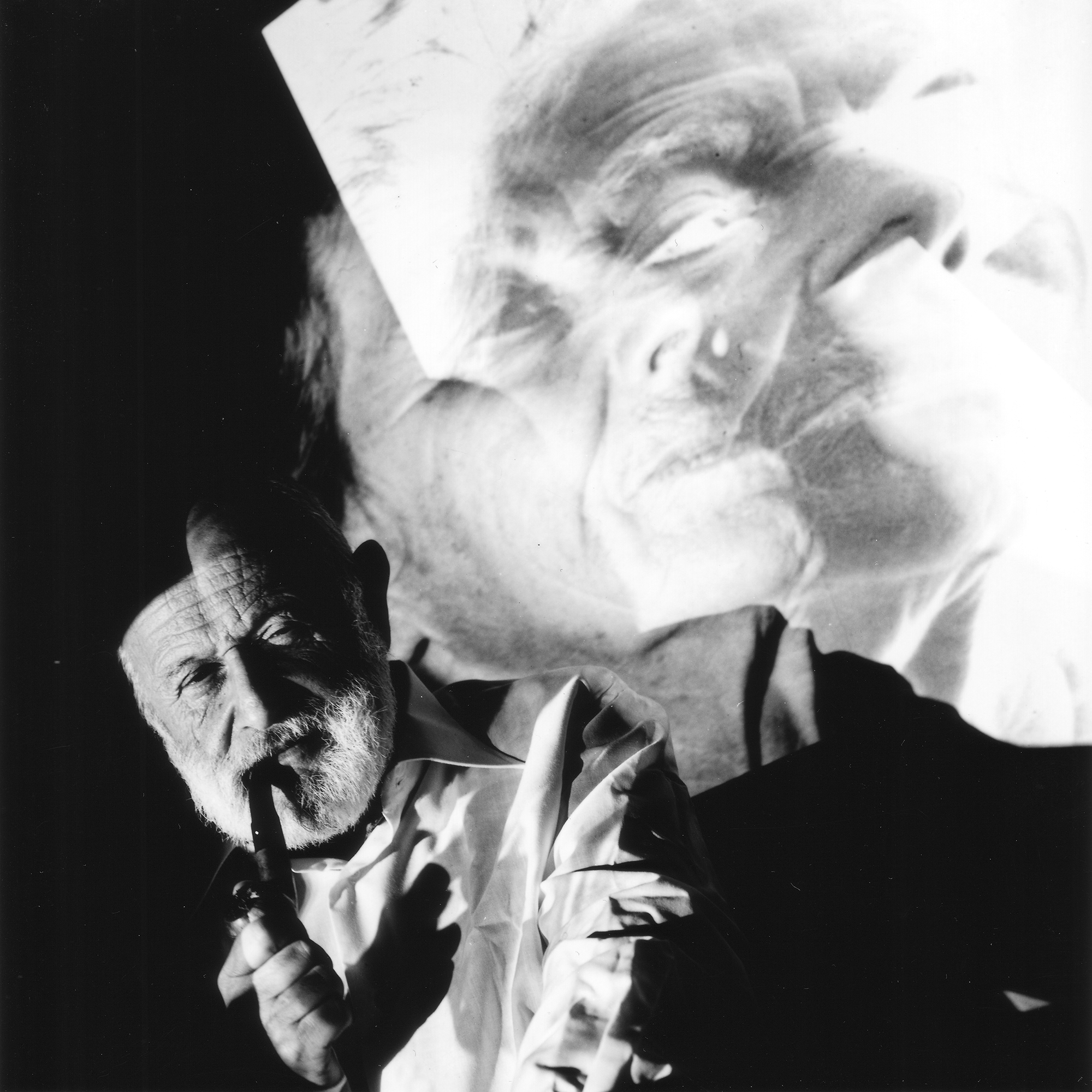
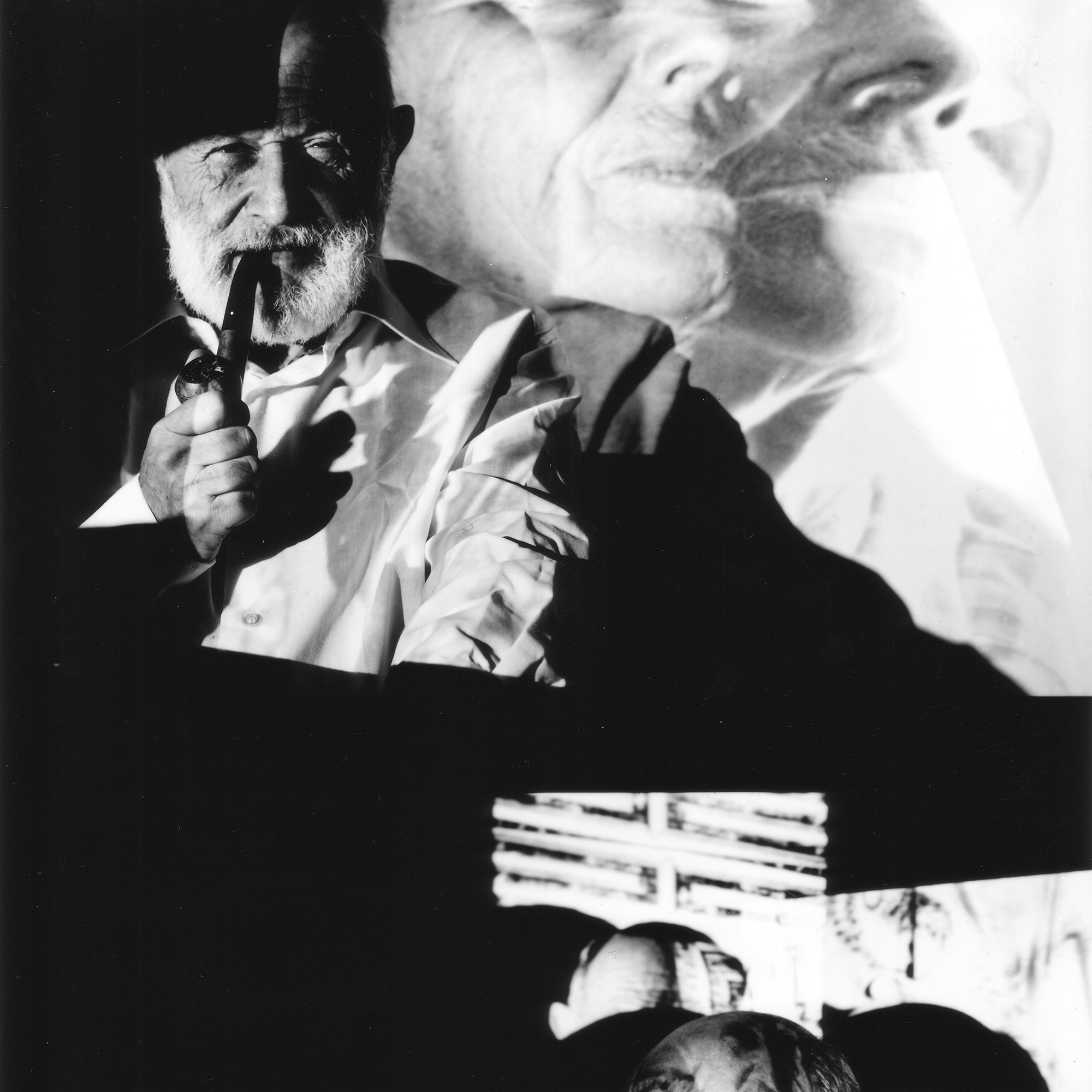
Drunter und Drüber / Sens dessus dessous / Upside down – De cabeça para baixo









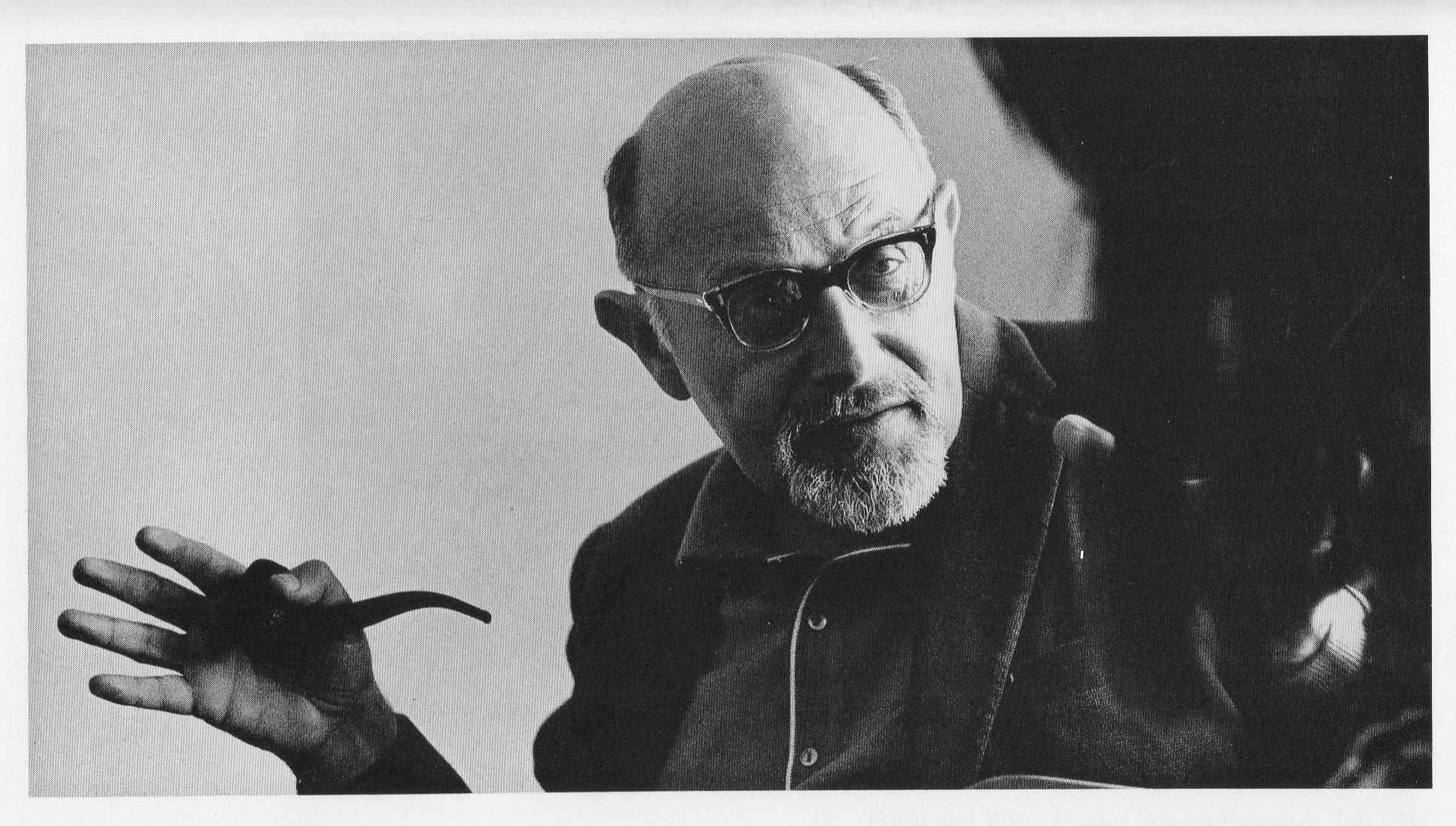
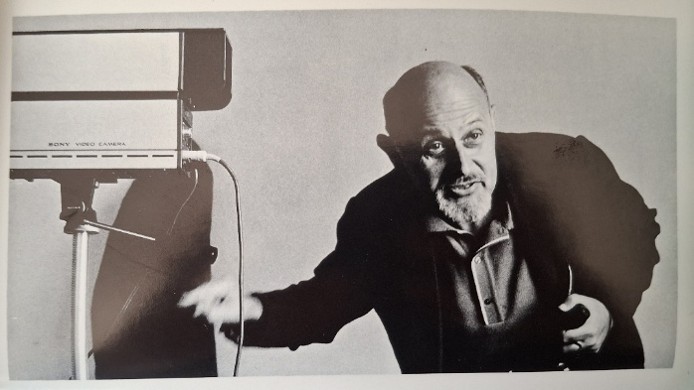
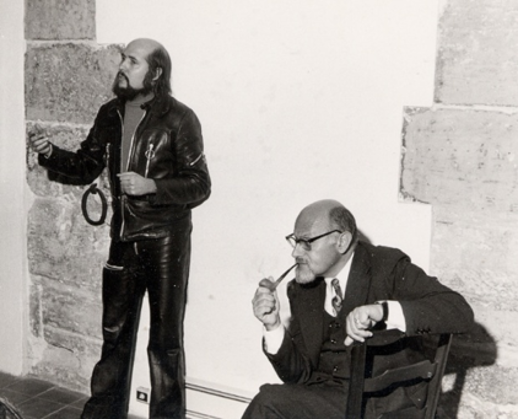
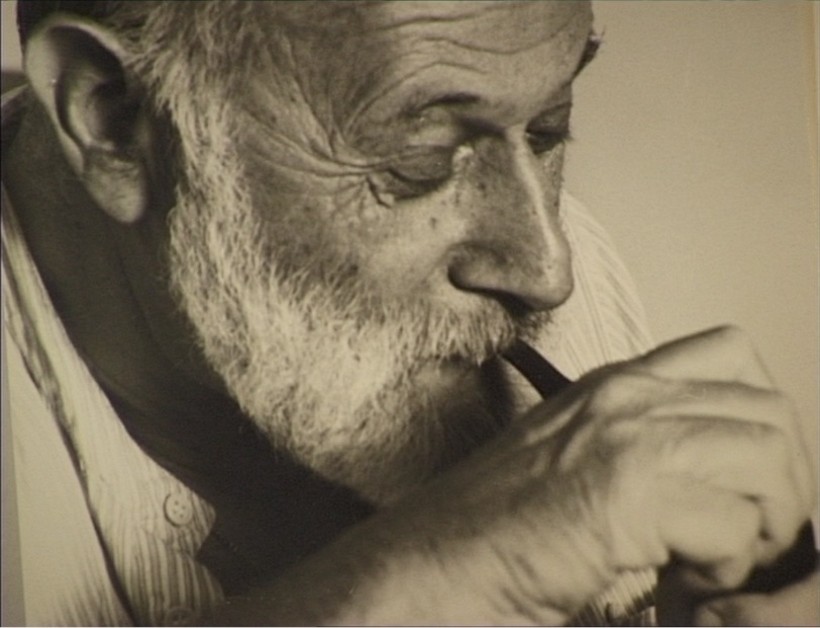
Vilém Flusser. The Bald, Bearded and Bespectacled Pipe Smoking Philosopher
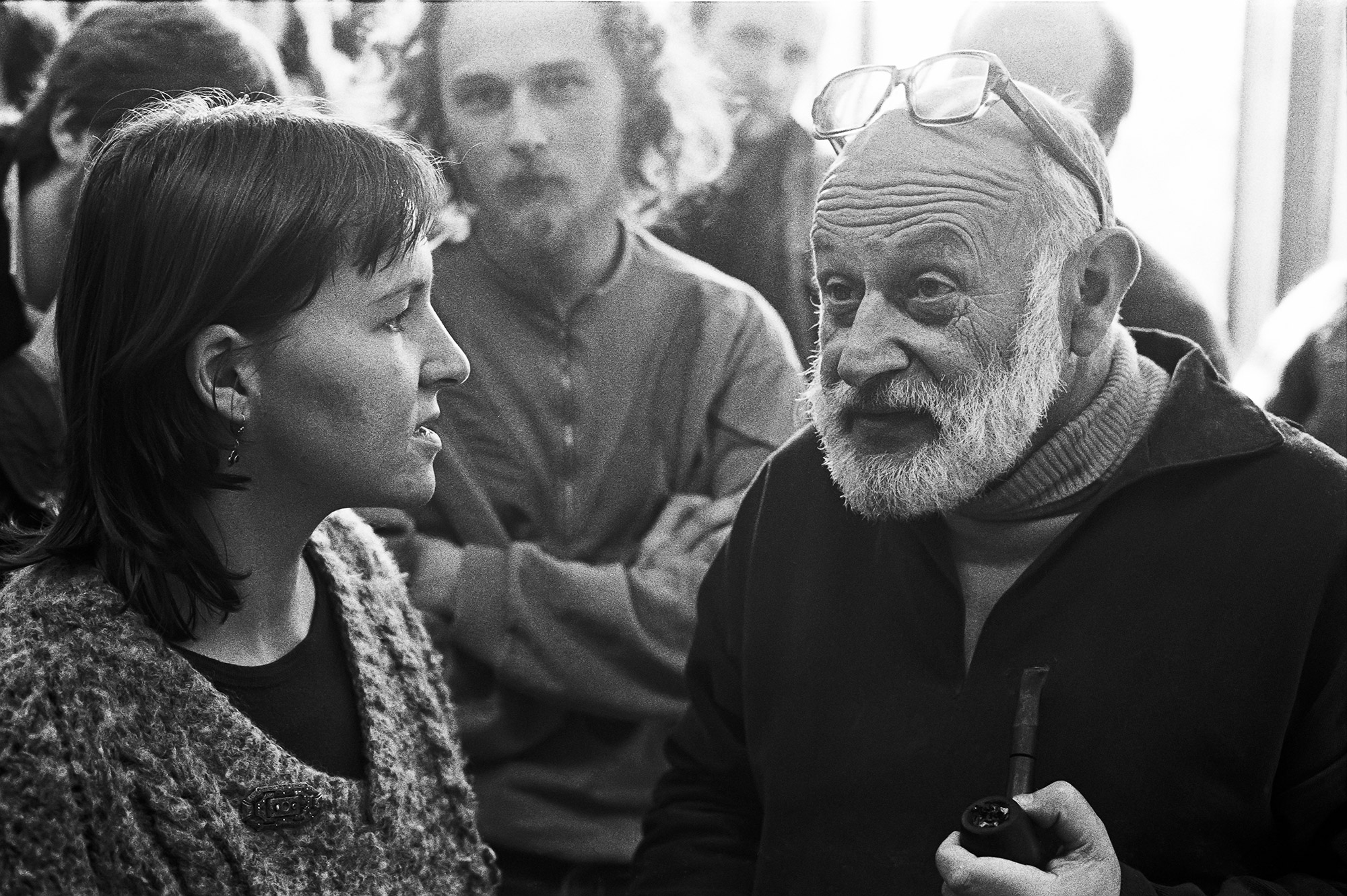
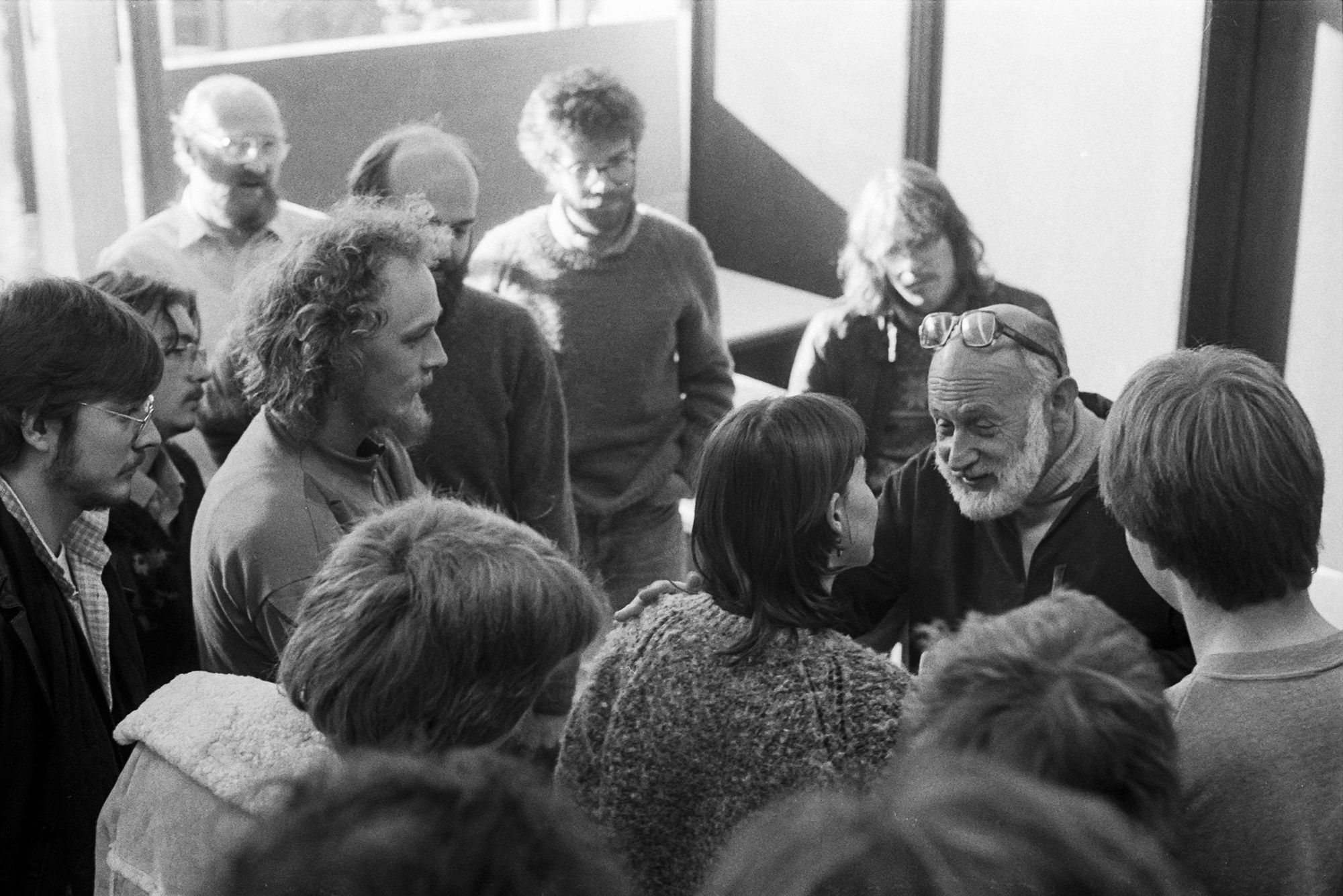
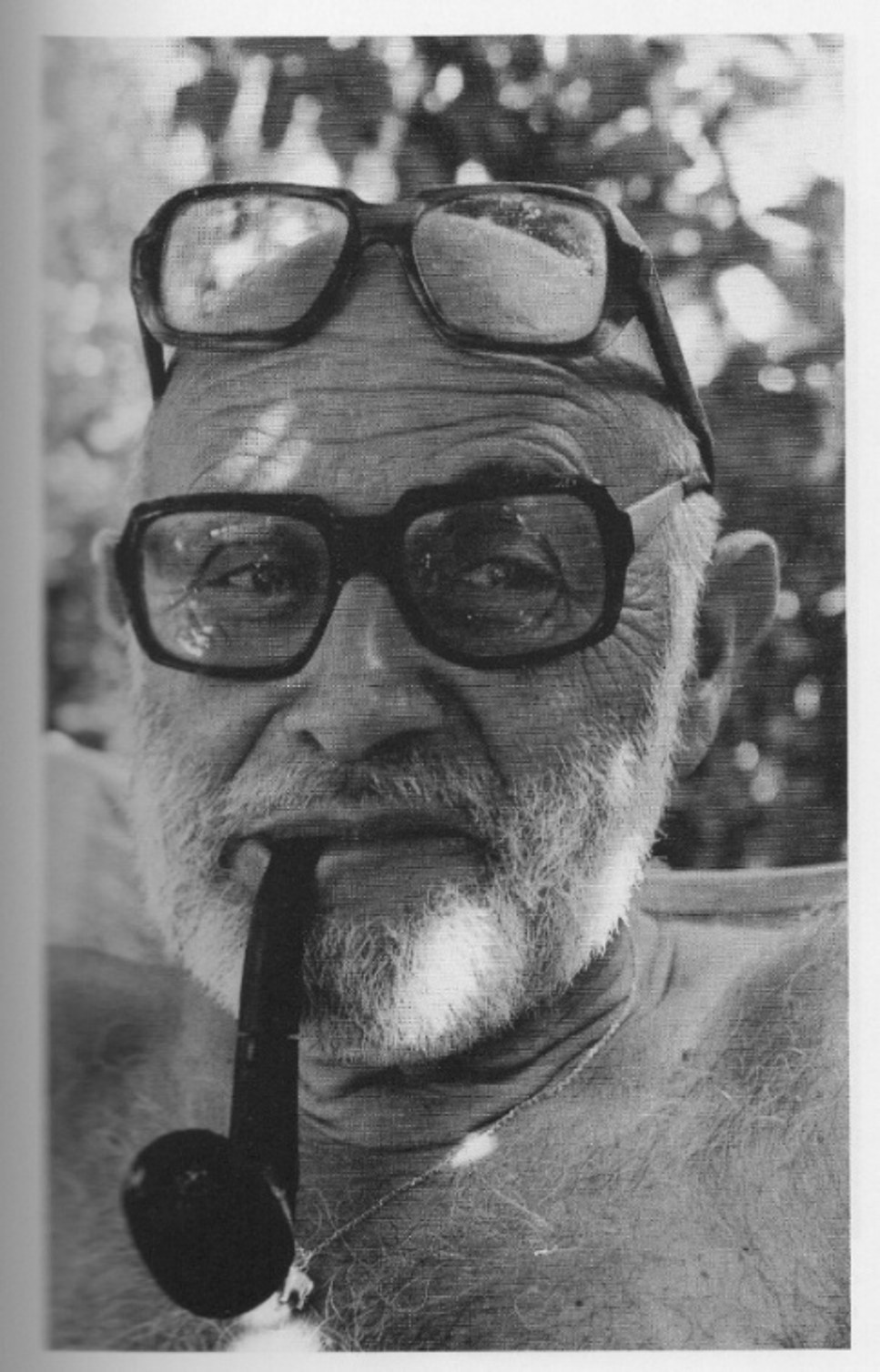
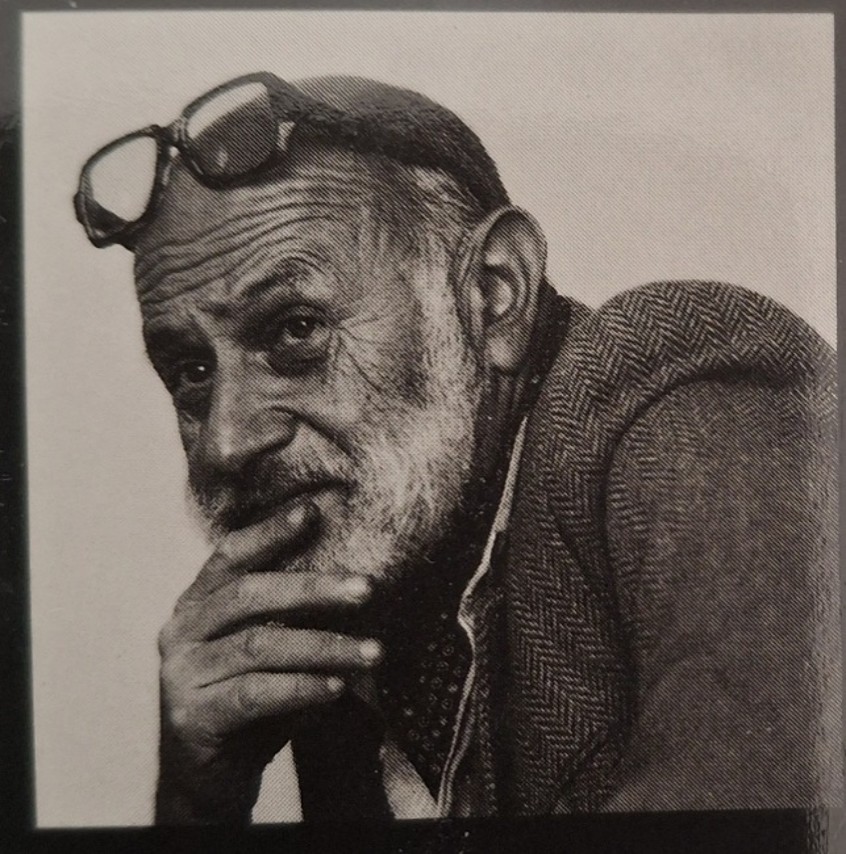
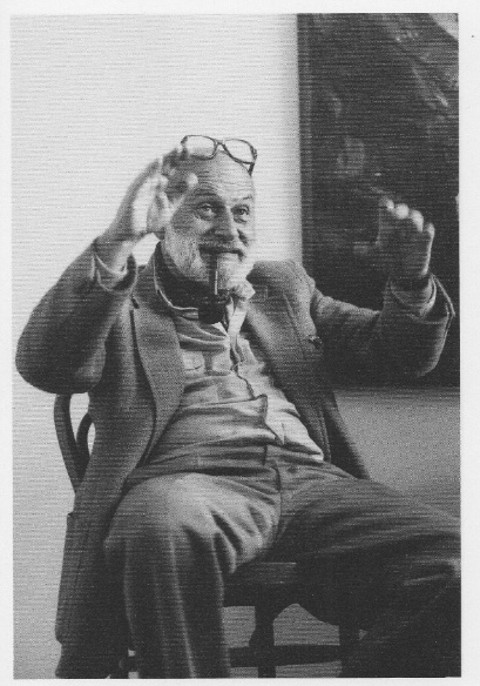
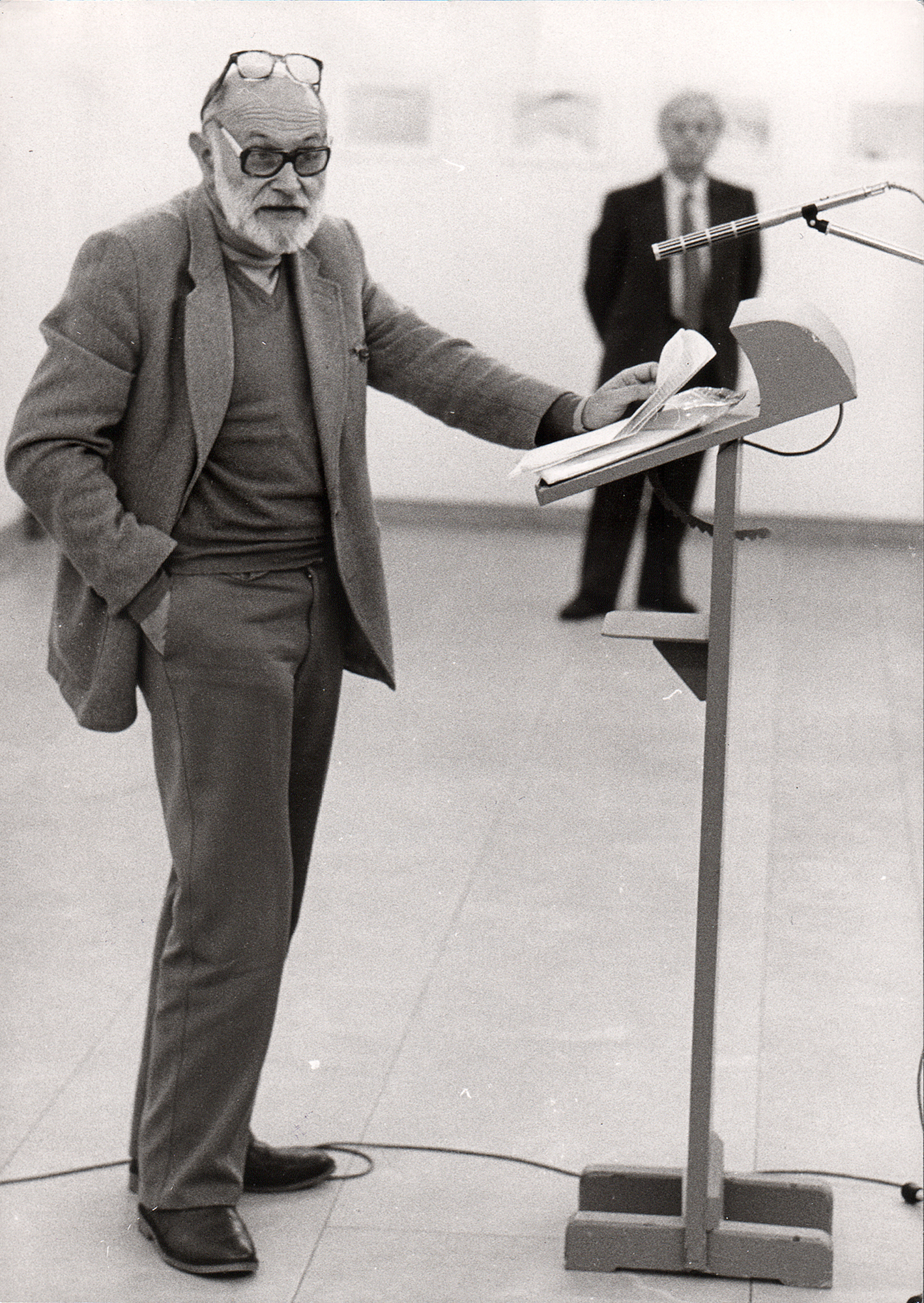
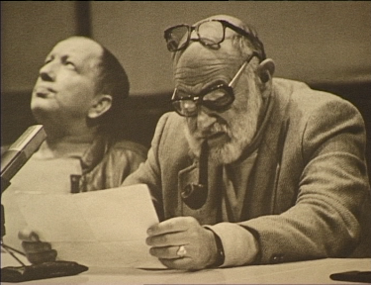
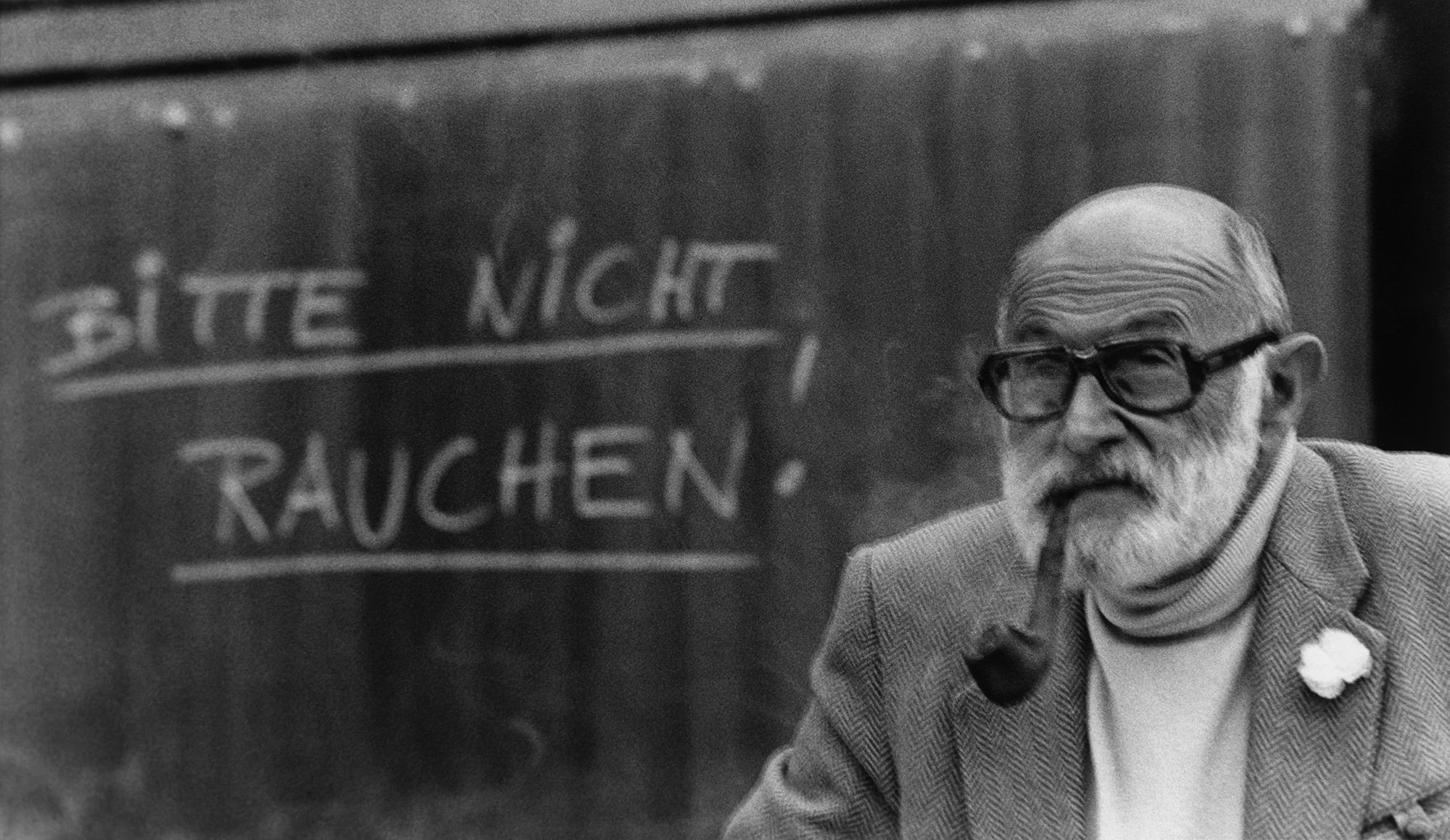
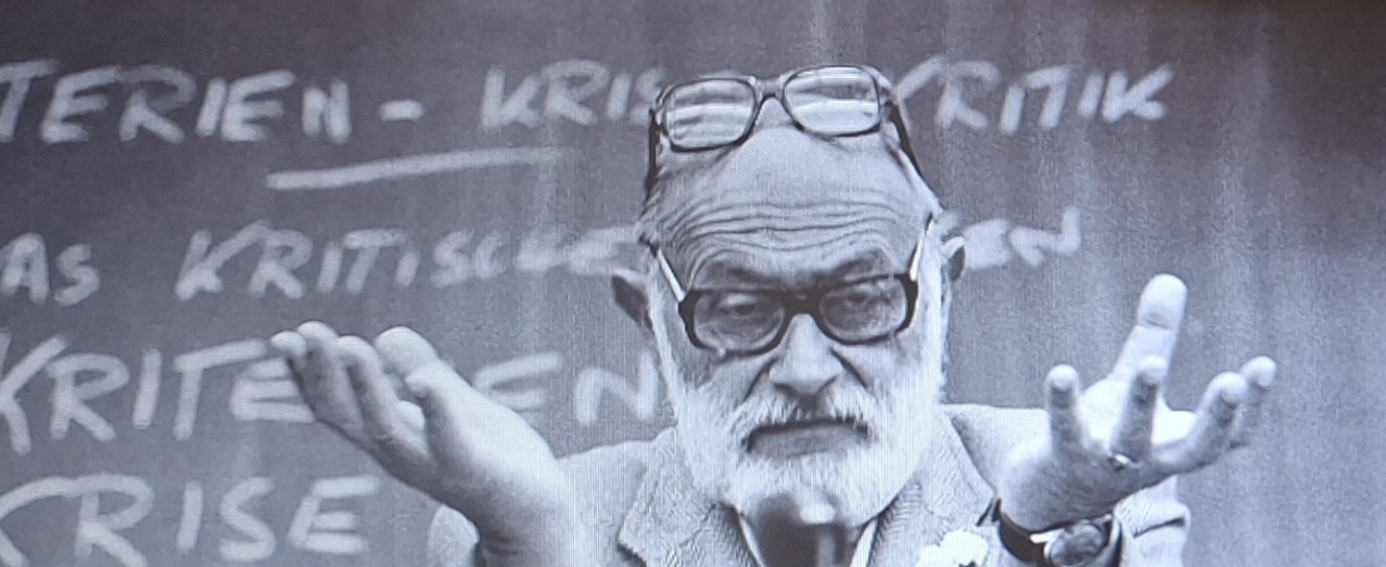
This essay deals with Vilém Flusser’s unique style of self-presentation that he developed in the course of his life. The elements composing this specific look were a pipe, sometimes unlit, a full beard, possibly compensating for an early baldness, and one, occasionally, two pairs of glasses. Add to this the movements of the hands and the extended arms, sometimes symmetrical, sometimes stressing difference. Beard and baldness set the stage for the mobile components – the pipe, the glasses and the hands – that Flusser used skilfully, together or on their own, one hand holding a pipe or both to attract attention to a specific point, to signal a pause or to emphasize a sudden change in argumentation. Flusser’s image of the 1980s and early1990s – the time when he became famous as the philosopher of communicology, technical images and telematics – is that of a thinker restlessly talking and gesticulating while manoeuvring his pipe from one hand to the other or his glasses from the nose to the forehead and back or that of the meditating philosopher slowly walking back and forth in front of his audience with his hands folded behind his back and a pair of glasses pushed up onto the forehead. This personal style of self-presentation leads to the very heart of Flusser’s philosophy. His nomadic way of thinking finds a visible enactment in his gestures and his parallel use of pipe and glasses. It is a peripatetic, non-linear form of argumentation, constantly moving back and forth, characterised by frequent cuts and shifts: standing up and sitting down, walking hither and tither, moving the pipe from one hand to the other, putting it away and getting hold of it again, pushing the glasses onto the forehead or to the top of the head and sliding them down again.


Playing Against the Program: Interval and De-Programming as Editing Practice
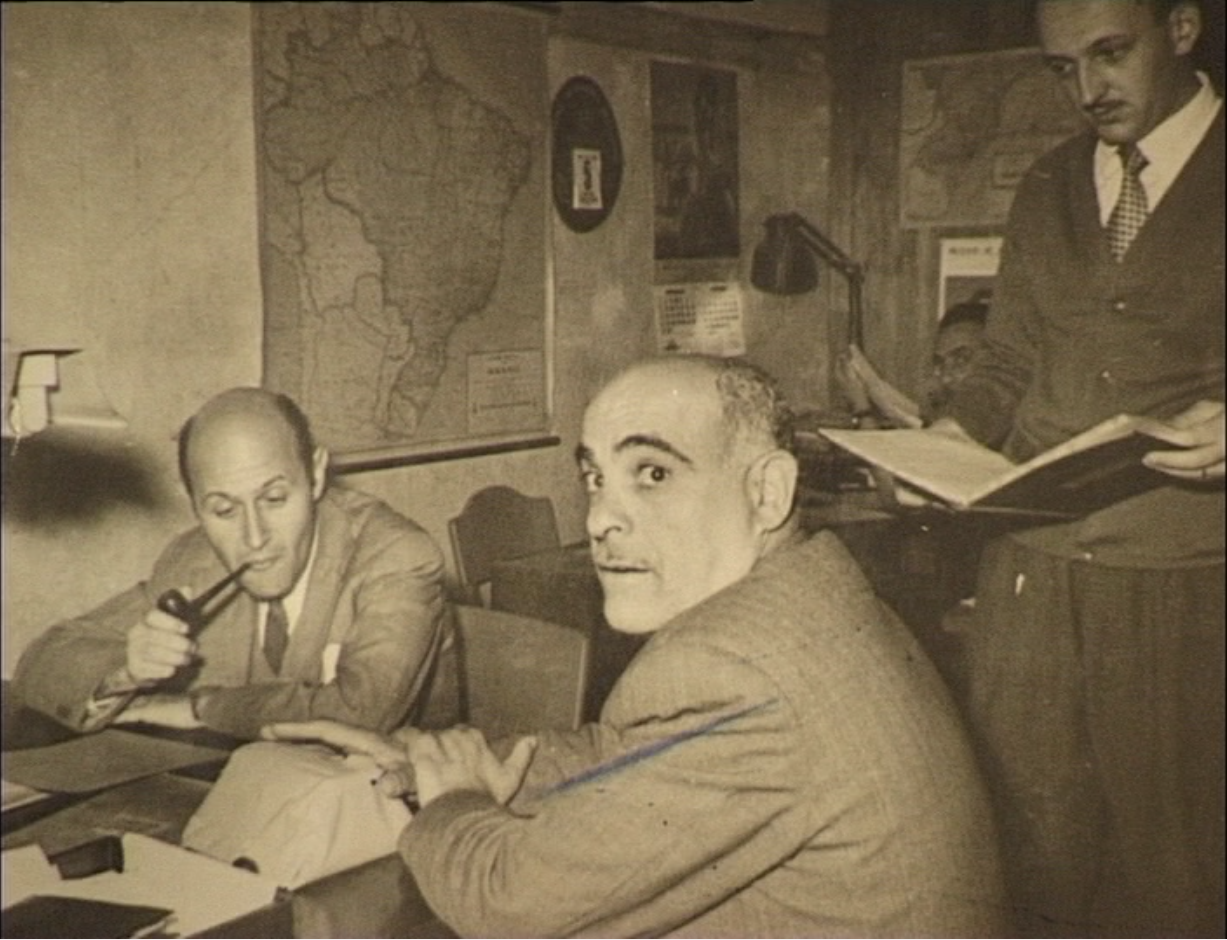
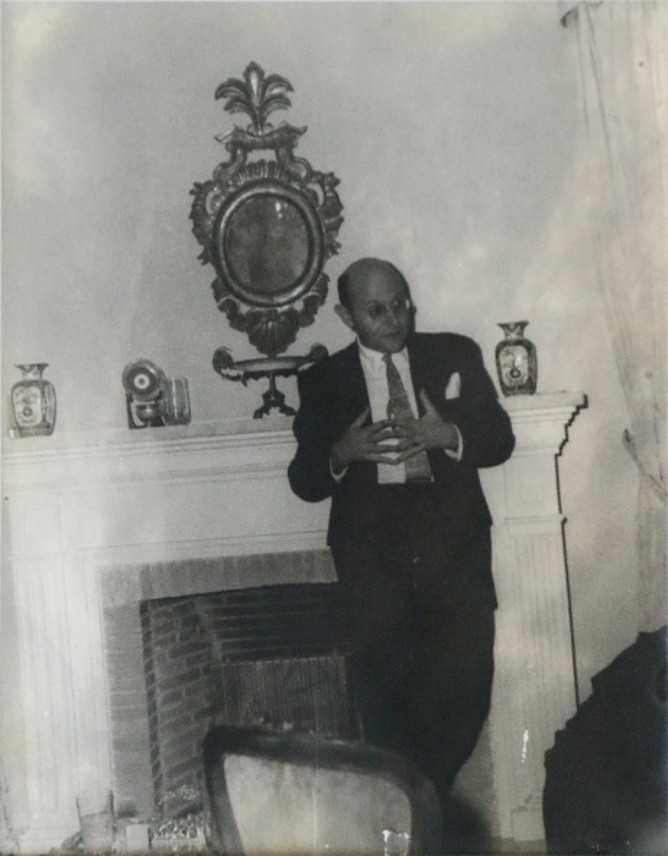
This article proposes a Flusserian reading of film editing as a privileged retrospective site at which the programmatic logic of the apparatus becomes legible and can be worked against. While Vilém Flusser’s canonical account of the apparatus is grounded above all in the camera and in the production of technical images, the essay argues that the editing table constitutes a derivative or second-order apparatus-condition in which already programmed material becomes available for interruption, recombination, and reflective refusal. On this basis, the article develops the interval between shots as a minimal operator of de-programming: a threshold at which continuity ceases to function as a neutral solution and begins instead to reveal the pressure of the program itself. De-programming is therefore understood not as a total escape from the apparatus, nor as a merely aesthetic gesture of rupture, but as a practical skill of sustaining legibility where automatic resolution would otherwise prevail. To clarify this claim, the article identifies three micro-operations of the editing table: refusing automatic suture, delaying attribution, and redistributing agency. In its final movement, the essay follows this argument beyond cinematic procedure toward the question of subjectivity, asking whether the deepest program at stake is not only the one that organises images, but the one that organises the subject who experiences itself as freely organising them.
Intersubjective Games: Vilém Flussers Dialogically Synthesized Technical Images
Comment sections and livestream chats implicitly present themselves as a means of entering into a dialogue with the author(s), and, by extension, the form of a digital work. However, these interactive media, with their bot-inflated like-counts and screen time-focused moderation, produce an illusory direct democracy of sentiment. For Flusser, these participatory software features are not dialogue: they do next to nothing to challenge sender-receiver relations. At the end of Into the Universe of Technical Images, Flusser envisions a different technical mediation of dialogue, one that is modeled after the recombinatory play of chamber music and jazz improvisation, except using “telematic, dialogically synthesized images.” This article develops its argument through a software proposal that meets the criteria for what would produce dialogically synthesized images, investigating adjacent questions of technically mediated intersubjectivity in the process. In putting Flusser in conversation with thinkers such as Henri Lefebrve, as well as contemporaries like Aden Evens and Wendy Chun, I locate actualizable responses to the objectifying forces of technical images’ “fascistic, totalitarian circuitry.” I attempt to think through technical images’ connotative nature and the possibility of resignifying them cooperatively with an other, through the careful instrumentalization of the black box operations of software. The goal is thus not only to make the apparatus snitch on itself, but to then also use its confessions as a means of undoing that which produces “isolated, distracted, key-pressing human beings.”
Le jeu et son pouvoir subversif chez Debord et les situationnistes et chez Flusser / Play and Its Subversive Power in the Writings of Guy Debord, the Situationists and Vilém Flusser
The relation between the Situationists and Guy Debord, and Flusser has never been seriously explored: they were never in contact, but one can find that they had some ideas in common. This essay attempts to analyze one of these commonalities, their approach to play and games, in the light of the theories of Johan Huizinga and of Roger Caillois. The Situationists placed the game at the center of their approach, seeing in it a revolutionary tool that could help change the world radically. Flusser initially saw the act of playing more as a form of communication within the telematic society, but progressively he saw it also as a form of rebellion against the apparatus. Both the situationists and Flusser emphasized the creative dimension of the game, its subversive power, and the profanation and the quest for freedom that games could empower.
But an important difference between them is that the Situationists fostered a collective game —a celebration in which everyone should participate, where time and space are suspended. Flusser, on the other hand, saw playing against the apparatus more as an individual endeavor, where the single actor does not respect the rules of the program and plays against it. However, the point remains the same: to play the game and use it against the system—whatever that system may be.
Mit dem Zufall gegen den Zufall spielen
Flusser wrote the essay “Mit dem Zufall gegen den Zufall spielen” (Playing against Chance with Chance) for the exhibition Zufall als Prinzip. Spielwelt, Methode und System in der Kunst der 20. Jahrhunderts (Chance as a Principle. Game World, Method and System in the Art of the 20th Century) at the Wilhelm Haack Museum in Ludwigshafen am Rhein that was originally planned for spring 1991 but actually took place from January 18 to March 15, 1992. Looking at an ancient frieze, he muses on the relationship between fate and freedom and between necessity and chance. Until our understanding of history is based on historical and linear causality, the word freedom has no meaning. To achieve some freedom, we must be wary of scientific explanations and favor a magical-mythical consciousness: everything in the world owes its origin to chance, to coincidence, since the Big Bang. In prehistoric times, at the time of this frieze, freedom was the vain attempt to rebel against fate: it was a sin. Today, in post-history, freedom is an attempt to rebel against coincidence and evoke the improbable. Creativity is a game attempting to prevent chance from becoming a necessity and freedom the post-historical synonym of sin.
A Flusserian Perspective on Legal Due Process
This essay is an inquiry into the nature of due process from the standpoint of Vilém Flusser’s philosophy of language. It expands on his distinction between dialogue and discourse to consider that a fruitful realization of due process is contingent upon relational patterns that enable the pursuit of a commitment to truthfulness. It incorporates concepts from Franz Rosenzweig, and Arnold Gehlen’s and Martin Buber’s anthropological philosophy to qualify this commitment, the relational patterns which can realize its pursuit, and how they constrain judicial utterances. This supports a phenomenology of due process that considers its nature twofold, both dialogical and discursive.
A inteligência artificial como ficção teratológica. Imagem, imaginação técnicae criação em Vilém Flusser
This article examines generative artificial intelligence through Vilém Flusser's philosophy of language, imagination, and technics, proposing to understand it as teratological fiction. In contrast to approaches centered on machine autonomy or the possibility of artificial consciousness, it argues that generative AI should be interpreted as a modality of technical imagination produced through the objectification of human imagination in technical apparatuses. Methodologically, the study combines a historical reconstruction of the development of technics with an analysis of Flusser's concepts of Language, translation, imagination, apparatus, and freedom, while engaging with Monster Studies to provide a philosophical account of monstrosity. It argues that artificial intelligence does not generate original meanings but probabilistically reorganizes linguistic translations accumulated within culture, remaining dependent on human interpretation to acquire significance. Fritz Lang's Maschinenmensch in Metropolis (1927) is interpreted as the paradigmatic philosophical image of this condition, condensing the tensions between creation, fascination, alterity, and freedom that characterize modern technical artifacts. The article concludes that the monstrosity attributed to artificial intelligence is not an intrinsic property of computational systems but a cultural experience arising from the objectification of human imagination in technical devices. Its principal contribution is to shift the philosophical debate on artificial intelligence from the question of intelligence to that of technical imagination, proposing the concept of teratological fiction as a conceptual framework for understanding the contemporary relationship between technics, culture, and human freedom.
From Subject to Project: Flusser, Lacan, and the AI Transformation of Being
This paper explores the transformation of subjectivity by staging a dialogue between Jacques Lacan's psychoanalytic theory of the subject—understood as the subject of the unconscious—and Vilém Flusser's concept of the projekt, extending this dialogue into the contemporary landscape of artificial intelligence and technical images. Lacan conceives the subject as fundamentally split, constituted through language, desire, and the symbolic order; Flusser, meanwhile, redefines the human as a “project” embedded within technical apparatuses and programmed systems. Read together, these two frameworks unsettle the notion of autonomous subjectivity, recasting agency as mediated, contingent, and structurally constrained. In the age of artificial intelligence, the nature and function of technical images call for renewed critical scrutiny. Building on Flusser’s account of technical images as apparatus-generated abstractions, this paper examines how AI-generated images transform the epistemological and ontological status of visual media. Produced through algorithmic processes with minimal direct human intervention, these images intensify Flusser's concerns about the erosion of historical narrative, while also demanding a psychoanalytic account of subjectivity, desire, and representation. Drawing on Lacanian theory, the paper analyzes AI-generated images as mediators between the Imaginary and the Symbolic that simultaneously brush against the Real, where jouissance surfaces as excess and disruption beyond symbolization. Such images participate in the formation of the subject of the unconscious and structure new configurations of desire. The algorithmic image thus operates as a mirror that both reflects and constructs the gaze—no longer exclusively human, but machinic, distributed, and operationalized through code.
Physics and metaphysics of the apparatus: Mapping and contextualizing the concept in Flusser’s published work
This paper examines the concept of the apparatus in Vilém Flusser’s published corpus, focusing on its philosophical scope, conceptual development and ontological implications. Rather than treating the term as homogeneous or self-evident, the paper approaches it as a shifting conceptual formation. It concentrates on four textual loci through which the concept’s successive determinations can be identified: “Le vivant et l’artificiel”, Towards a philosophy of photography, Into the universe of technical images and Gestures. These textual loci make it possible to trace successive levels of Flusser’s conceptualization: its general metaphysical substratum, its specific ontological determinations, as well as its expansions through information theory, thermodynamics and cybernetics. In reconstructing these different layers, the paper draws a series of selective connections between Flusser’s formulations and a number of otherwise distinct intellectual contexts, following the movement of Flusser’s thought itself. The Platonic-Aristotelian conception of knowledge provides a point of reference for the “subject–object” distinction on which Western science is founded, whereby the knowing subject renders the world available to contemplation, investigation and apprehension. Heidegger’s notion of Gestell provides a further point of reference for situating Flusser’s apparatus within the broader problematic of modern technological ordering and en-framing, without identifying the two concepts. McLuhan’s understanding of media as extensions of the human being is subsequently inverted in order to describe the human being’s deconstruction into systemic functions. Wiener’s cybernetic account of entropy and information provides a point of reference for understanding how Flusser extends a physical-mathematical schema into ontological, cosmological, aesthetic and ethical domains. The discussion further invokes the Lacanian mirror stage as a possible macro-historical figure for the processes through which apparatuses confer upon humanity a historically specific form, identity and image of itself. Finally, Korzybski’s “organism–environment” anti-elementalist formula and Pias’s media-theoretical reflections contribute to the tentative conceptualization of apparatuses as operational environments rather than merely external instruments.
Flusser’s Selfies
Gesture is a concept through which Vilém Flusser tackles one of phenomenology’s most challenging and enduring complexities: the body. However, this paper argues that he does not do so through a thorough, philosophically complex, and methodologically succinct theorising of the body. Instead, it provides the provocation that Flusser demonstrates the body’s place within phenomenology through the creation of a series of written self-portraits, in which the function and arrangement of perception operate in a mode most readily recognised in the contemporary media form known as the selfie. These selfie-essays do not simply articulate where a body sits within the phenomenological method but also provide detailed methodological consideration of how the body is articulated in perception and how its movements arrange perception (like a selfie-taker seeing him/herself in a mirror). This paper does so by situating Flusser’s Gestures within the phenomenological work of Husserl and Merleau-Ponty and then conducting a formal analysis of Flusser’s selfies. I then demonstrate how this theorising allows us to extend Flusser’s work on gesture, the body, and phenomenology into his work on the apparatus and the technical image via the sinuous and slippery concept of affect [Gestimmtheit]; ultimately raising questions of freedom and how the arrangement of structures of perceptions plays against deterministic misreadings of his apparatus theory.
Die Geste des Streamens. Ein ironisch-kritischer Kommentar zu Vilém Flussers 106. Geburtstag
Conceived as an ironic homage to Vilém Flusser on the occasion of his 106th birthday, “The Gesture of Streaming” seeks to extend Flusser’s phenomenology of gestures into the digital platform age. By referring to his reflections on media nomadism, technical images and telematic society, the essay considers streaming as a predominant gesture of the twenty-first century.
The text argues that streaming fundamentally alters the relationship between users and media. Whereas previous media cultures were structured by ownership and material possession, digital platforms increasingly privilege temporary access and permanent availability. Music, films, and books are no longer collected and preserved but encountered within continuous streams of information. As a consequence, cultural consumption becomes detached from responsibility, care, and lasting commitment. The gesture of streaming is thus characterized by fluidity and the perpetual search for meaning within a society where all media seem to be disposable and accessible at once.
The essay further contends that this logic has transcended the realm of media and progressively shapes social relations themselves. Through dating-apps, individuals encounter one another as elements within a stream of profiles, images, and data. Humans stream each other in the way they stream media: infinite availability, replaceability, and continuous selection form their relationships. By transferring the logics of streaming from media to interpersonal encounters, the essay offers an insight into digital culture and reflects on the anthropological consequences of online-communication in the light of Flusser.
La laberíntica historia del Diablo. Primera recepción de Flusser en México / The Labyrinthine History of the Devil. The First Reception of Flusser in Mexico
In 1960s, Mexico has a period of notable cultural development known as the “Latin American Boom". This literary movement was pushed by numerous young writers and consolidated by various publishing houses, with prominent figures who played a driving role, such as Efraín Huerta and Octavio Paz. It was within this context that a correspondence between Octavio Paz and Vilém Flusser was established in 1966. Based on this epistolary exchange, we propose a comparative reading of Paz's The Labyrinth of Solitude and Flusser's History of the Devil, with the aim of analyzing the conceptual and biographical convergences that emerge in both works.
Emphasis is placed on the shared experience of exile and solitude during both authors' youth, as well as their interest in subjects such as Zen Buddhism. Likewise, the philosophical perspective of their works is highlighted, which we consider to be phenomenological in both authors. The essay offers deliberately reflective guidelines on how the intellectual dialogue between Paz and Flusser might have developed, had that first contact given rise to a successful collaboration. The fundamental aim of this work, therefore, is to establish a link between these two intellectual universes, moving beyond the limitation of their brief epistolary exchange. Finally, we wish to offer readers of Vilém Flusser an entry point into the work of Octavio Paz, and vice versa, as well as to extend an invitation toward a broader and renewed reception of Flusser's work in Mexico.